

Scientists and Thinkers of the World during the Reign of King Rama IV
The Pioneer
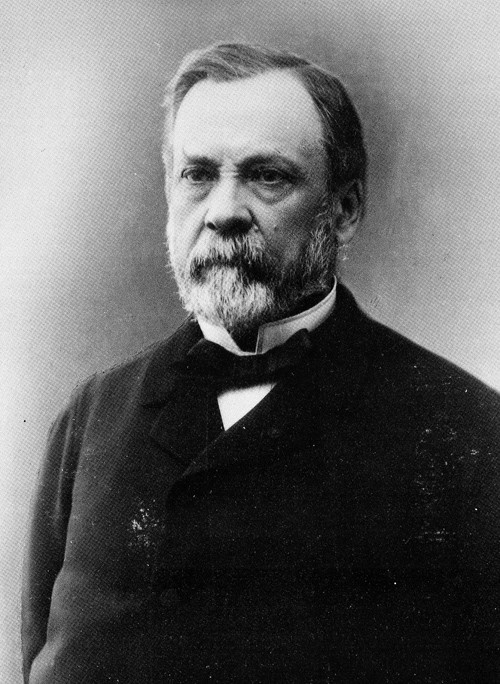
Louis Pasteur
The pasteurization process, which preserves food and beverages by preventing spoilage, along with the development of crucial vaccines against cholera, tuberculosis, rabies, and diphtheria, are among his groundbreaking contributions. His discoveries propelled the field of microbiology to advance rapidly, bringing immense benefits to both medical science and public health worldwide.
Table of content
Personal Biography
Louis Pasteur was born on December 27, 1822, in Dole, Jura, France. His father, Jean Joseph Pasteur, was a tanner who had served in Napoleon’s army and was awarded a medal of bravery for his service. Later, the family relocated to the town of Arbois. Although their financial situation was modest, Pasteur’s father was determined to ensure that Louis received a good education, just like other children.
The Academic Journey of a Diligent Student
Pasteur studied at a school in Arbois, where he excelled in science and developed a strong interest in portrait drawing. Being a diligent and well-behaved student, Pasteur earned the support of the principal of Arbois College, who recommended that he continue his education at the prestigious École Normale Supérieure in Paris, a renowned teachers’ training institute. The hope was that he would graduate and return to teach at Arbois College. However, Pasteur’s first attempt at studying there was cut short due to severe homesickness, forcing him to return home.
Later, he enrolled in the Royal College in Besançon, studying literature. After completing his studies, Pasteur resumed his pursuit of science and returned to École Normale Supérieure, as he had initially intended. While studying there, he had the opportunity to learn chemistry under two renowned scientists, J.B. Dumas and A.J. Balard, at Sorbonne University. In his final year at École Normale Supérieure, Pasteur conducted pioneering experiments in crystallography, marking the beginning of his distinguished scientific career.
The Journey of a Scientist
In 1852, Louis Pasteur researched tartaric acid, which earned him a professorship in chemistry at Strasbourg University. Two years later, he became Dean of Science at Lille University, an industrial city producing alcohol.
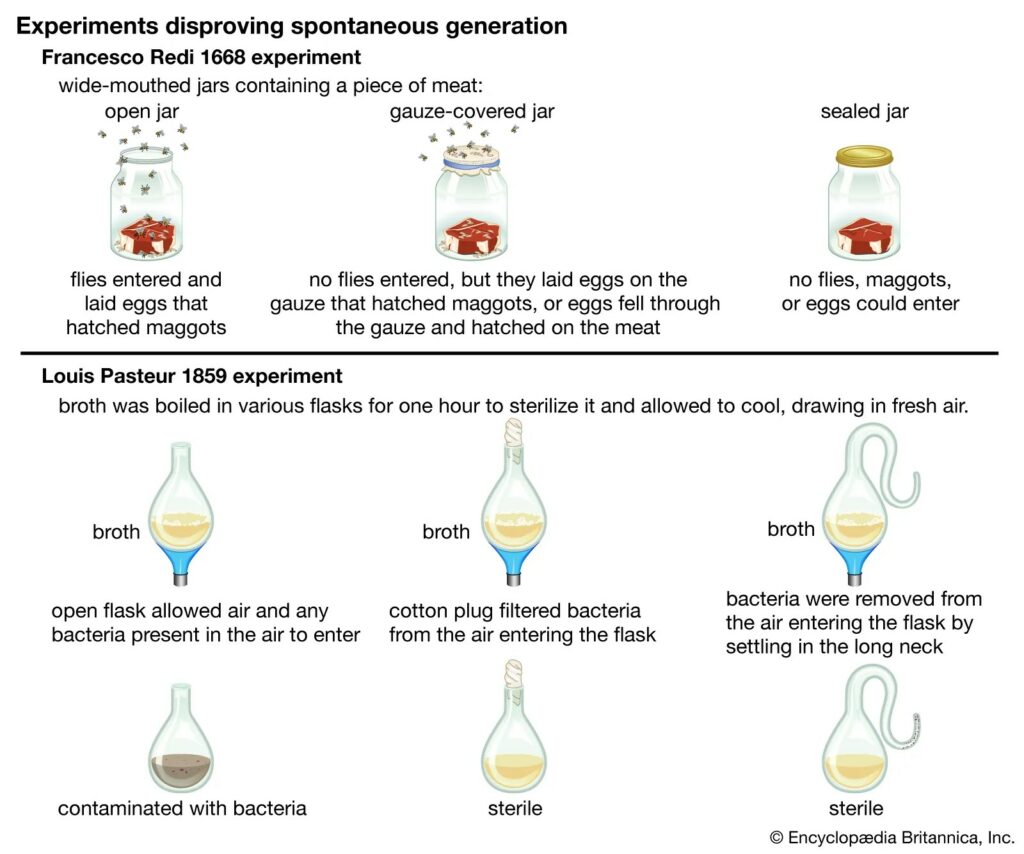
Investigating spoilage in alcohol production, Pasteur discovered yeast (which turns sugar into alcohol) and Bacillus bacteria (which spoils alcohol by producing lactic acid). This led him to propose the Fermentation Theory, proving that fermentation was caused by microorganisms, not a spontaneous chemical reaction.
Outstanding Works
Pasteur continued his research on microorganisms, discovering their role in disease and food spoilage. He realized that eliminating microbes could prolong the shelf life of food. He boiled milk at high temperatures to kill germs before bottling it, successfully preventing spoilage. This method, later applied to wine, spirits, and other beverages, became known as “Pasteurization”, a process still used today.
In 1865, Pasteur found that dead organic matter decomposed by microbes could contaminate groundwater, spreading diseases like tetanus and anthrax.
He also spent five years combating a silkworm epidemic devastating the silk industry, identifying the microbe Nosema bombycis as the cause and managing to halt the outbreak.
In 1873, Pasteur published additional findings on fermentation and was invited to join the prestigious Academy of Medicine.
Famous Contributions Impacting Medical Treatment
In 1887, Louis Pasteur conducted experiments on animal epidemics, starting with the deadly Anthrax disease. He discovered that by weakening anthrax bacteria from the urine of infected animals, it could be used to create a vaccine. However, the public was skeptical of this method, prompting Pasteur to demonstrate its effectiveness by vaccinating 25 sheep while leaving another 25 unvaccinated. The unvaccinated group all succumbed to the disease, while the vaccinated sheep survived, convincing the public and scientific community.
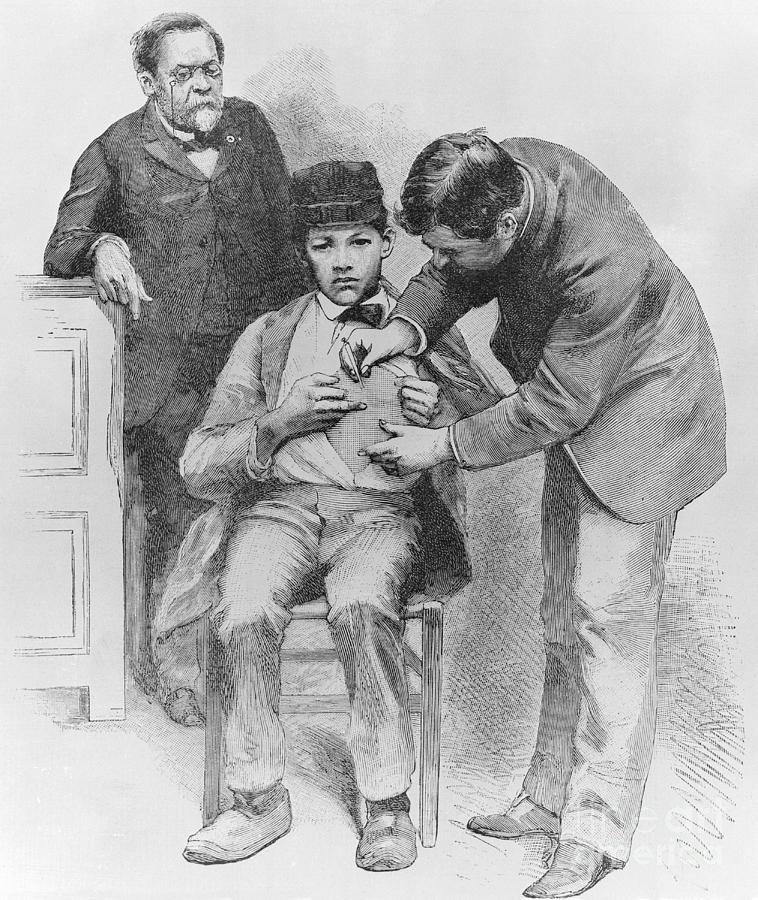
Following this success, the French government funded his research to develop a cholera vaccine for poultry, which Pasteur successfully created using chicken bone broth cultures. However, his most celebrated achievement came with the development of the rabies vaccine. Although he had identified the rabies virus in saliva and cultured it, he hesitated to test it on humans. That changed when a 9-year-old boy bitten by a rabid dog was brought to him; Pasteur administered the vaccine, and the boy survived.
In 1888, Pasteur established the Pasteur Institute in Paris, dedicated to research and vaccine development. The institute expanded globally, including in Thailand, where it is known as “Queen Saovabha Memorial Institute”

Lastly, for those interested in exploring more about Louis Pasteur, whether it be his specialized scientific works or general knowledge about his life and theories, you can find recommended readings and articles on Louis Pasteur’s books at: https://kmutt.me/book-pasteur
พันธลักษณ์. (2546). นักวิทยาศาสตร์เอกของโลก. กรุงเทพฯ: บ้านหนังสือ 19
สุทัศน์ ยกส้าน. (2548). นักวิทยาศาสตร์ผู้ยิ่งใหญ่. กรุงเทพฯ: ปาเจรา.