

King Mongkut Studies Project
A New Face of Thai Education in the Reign of King Rama IV
Compiled and edited by Sompong Phongmaitri and Suphap Klinruang
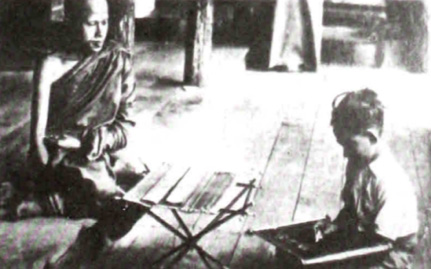
Thai education in ancient times prior to the arrival of Western influence was traditional education, with three main stages of learning: the study of literacy, monastic education, and the study of specialized subjects. These forms of education also depended on the social status of the learners, including social class and gender.
Thai education after the arrival of Western influence during the reign of King Rama III saw many missionaries from various organizations traveling to Thailand, with their initial objective being the propagation of religion among the Chinese community in Bangkok. These missionaries later began to travel to provincial regions.
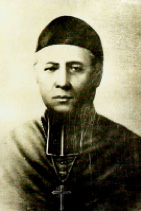
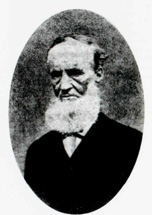
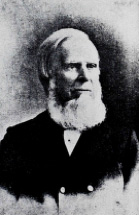
Missionaries who came to propagate religion and Western knowledge
Although these missionary groups were not very successful in persuading Thai people to convert as they had intended, as evidenced by the recorded disappointment of Dr. D.B. Bradley, who stated that he was unable to persuade even a single Thai person to convert, the missionaries nevertheless introduced a great deal of Western knowledge and culture into Thailand, particularly in the field of education. Beginning with Dr. Bradley, who brought a printing press and Thai typefaces into Thailand in 1836 and established a printing house at Pak Khlong Bangkok Yai, the publications were mostly religious texts for both Buddhism and Christianity. Dr. Bradley also published a biweekly Thai-language newspaper titled “Bangkok Recorder,” and later an annual English-language publication titled “Bangkok Calendar,” which became a model for later Thai newspapers and an important factor in promoting reading.
King Mongkut, while still in the monastic order, showed a strong interest in studying a wide range of fields, particularly Western knowledge. He established the first Thai-owned Thai-language printing house at Wat Bowonniwet Vihara to print Buddhist teachings and official documents. In addition, he studied foreign languages, learning Latin from Bishop Pallegoix and English from Jesse Caswell, an American missionary, at Wat Bowonniwet Vihara.
The English knowledge that King Mongkut acquired may be regarded as a key that opened the door to other fields of learning. Education during the reign of King Rama IV began to change from a traditional society, characterized by long-established customary practices, into a modern society influenced by Western models that were spreading their influence, while developing into a new form adapted to Thai characteristics.
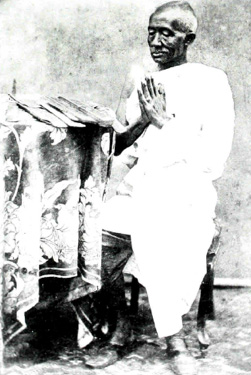
A New Face of Thai Education
After King Mongkut ascended the throne, Thai society was undergoing change as a result of Western influence, particularly in the field of education. The aristocracy became increasingly aware of the necessity of studying Western knowledge and languages. King Rama IV, in particular, possessed a strong foundation in Western languages and sciences from his studies during his time in the monastic order, and he recognized the importance of foreign language education as the first gateway to accessing Western knowledge. Western-style schools emerged alongside the arrival of foreign teachers who taught within the Grand Palace, as well as missionaries who established schools for the children of common people.
Education within the royal court, as recorded by Dr. Bradley in Siam Through Three Reigns, recounts that on the day before the Prince took leave of the monastic order, His Majesty graciously granted an audience to Protestant missionaries with whom he had long been closely acquainted. During the audience, His Majesty spoke informally and confidentially. What he said revived hopes of seeing Siam prosper in the future. The royal statement that caught their attention was His intention to establish large classes in which young Siamese could study English thoroughly, and to establish secondary schools in Bangkok that would teach both English and Western science.
When King Rama IV ascended the throne, he began to carry out these plans within six months of his accession. His Majesty expressed the royal intention that, at the very least, members of the royal family should receive an education similar to that provided in European royal courts.
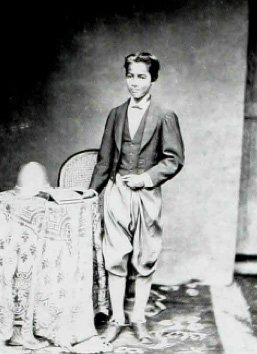
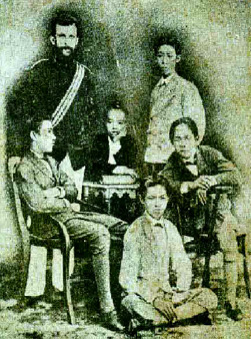
Prince Manusanakhamanop
(Somdet Phra Maha Samana Chao Krom Phraya Vajirananavarorasa)
The royal sons and royal grandsons of the Chakri dynasty studied English with Mr. Francis George Patterson.
From the autobiographical writings of Somdet Phra Maha Samana Chao Krom Phraya Vajirananavarorasa, the forty-seventh son of King Mongkut, one passage states: “….It began with His Majesty’s intention to support and promote our education. He established an English school in the row buildings beside the Piman Chaisri Gate, on the right-hand side facing outward. Mr. Francis George Patterson served as the teacher, under the supervision of Chao Phraya Phatsakornwong. In the morning he taught members of the royal family, ourselves, and some Mom Chao; in the afternoon he taught government officials who were royal pages and soldiers. We attended classes from the opening of the school. At that time, we were about twelve years old. The teacher could not speak Thai and taught strictly in the Western manner. The textbooks used were Western texts; even maps were European maps used for instruction. We became familiar with maps of Western cities before those of our own country. Arithmetic was taught using the English system of measurement. We learned about Western habits from the textbooks….”
In addition, according to the record of Dr. House (Haws) in 1851, His Majesty granted permission for missionary groups to send female missionaries to teach English to the royal princesses and women within the Grand Palace. The female missionaries who taught the women in the royal court were Mrs. Dan Bradley, Mrs. S. Mattoon, and Mrs. John Taylor Jones, who taught English in the royal court for a period of three years.
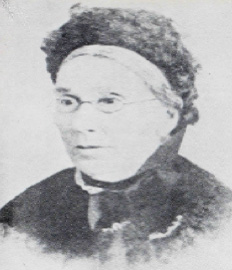
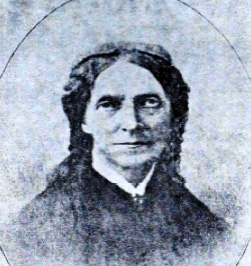

Female missionaries, consisting of Mrs. Bradley, the wife of Dr. Bradley; Mrs. Mattoon, the wife of Dr. Mattoon; and Mrs. Jones, the wife of Dr. Jones, served as teachers of English and general knowledge to noblewomen in the royal court during the years 1851–1854.
Nevertheless, the fact that missionaries were allowed to teach within the Grand Palace may be regarded as the first women’s school in Thailand, as there were as many as thirty students and three teachers working together. It was, however, a royal school rather than a public school, since it was established by royal command of the King. This also marked the first time in history that Thai women began to study English. Dr. House (Haws) recorded that “…this instruction of palace women was the first instance of providing education to palace residents by foreigners, and this point marked the beginning of formal education for women of the royal court…”.
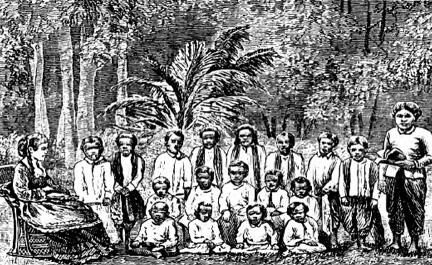
An American female teacher taught Thai children, with Thai teachers serving as assistants.
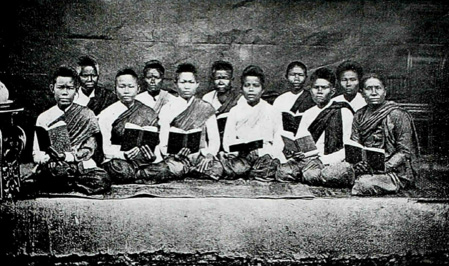
Women in missionary schools during the reign of King Rama IV in the classroom taught by the wife of
Dr. House, where instruction was given in sewing and laundering clothes
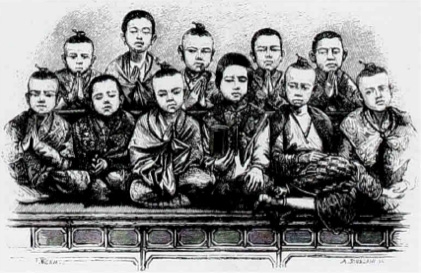
Later, in 1861, His Majesty graciously appointed Mrs. Anna Leonowens, an Englishwoman, as an English teacher for the royal sons and daughters. A school was established within the Grand Palace to provide English education to all royal sons and daughters and members of the royal family. Subsequently, His Majesty further encouraged the study of a wider range of subjects, such as mathematics, science, astronomy, geography, and history, thereby laying the foundation for a new system of education.
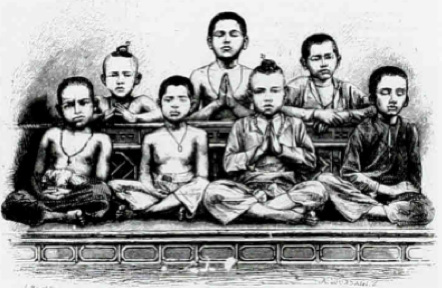
A line drawing depicting boys and girls in a Christian school
The Emergence of Modern Schools
Systematic educational institutions differed greatly from the traditional Thai educational institutions that had long existed in temples and royal palaces, as they were institutions with relatively clear and defined curricula specifying what subjects were to be taught, fixed periods of study, and salaried teachers employed to provide instruction.
King Mongkut supported American missionaries in establishing schools in order to educate and train Thai people in Western languages, literature, and knowledge. The group that played a significant role in the early development of modern education in Thailand was the American missionary community. Education within missionary schools was still in its initial stage of development toward a systematic international model, and it may be regarded as a step toward modern education with an organized teaching and learning system that later became the foundation of education in subsequent periods.
Bangkok Christian College
Founded on 13 September 1852, it later merged with the school of Sinse Ki Eng Kuo Xian, a Chinese Protestant. The school admitted only male students, had a Thai principal, and used Thai as the language of instruction.
According to the record of Dr. House in August 1856, one passage states: “Our school has expanded greatly. Many people have applied to study English. The eldest son of the Chief Minister came to study regularly with Mrs. Mattoon. He was an intelligent child, seven years old. His Majesty requested that I teach two princes: one was a royal grandson aged sixteen, and the other was a grandson of the previous King, aged eleven. He also ordered that twelve boys, sons of royal pages, come to study English at our school as day students. It was therefore necessary to build a large bamboo schoolhouse behind our residence.”
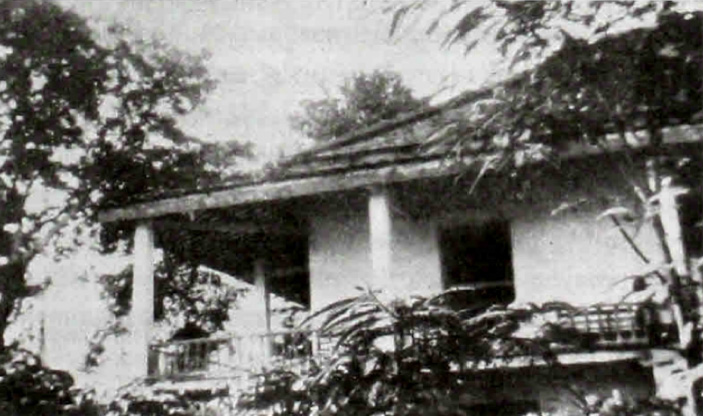
Christian Boys’ School, Kudi Chin, was the first public school in Thailand.
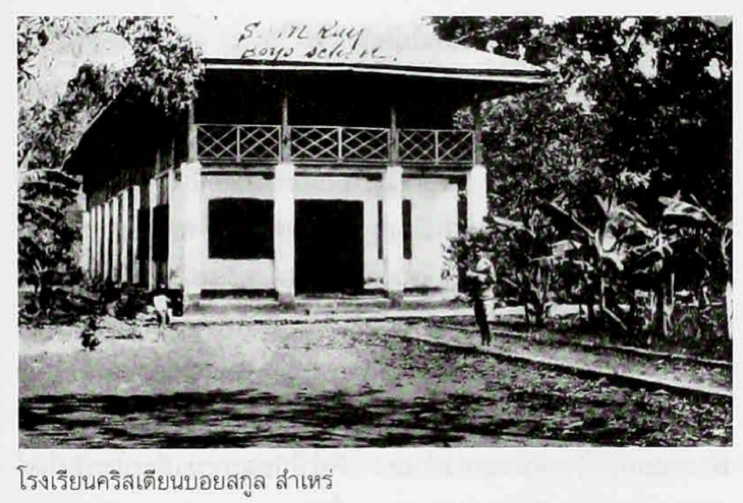
At present, it is Bangkok Christian College.
Later, as the school expanded, its premises were relocated to a new site on the bank of the Chao Phraya River at Samre Subdistrict and renamed Samre Boys Christian High School. It was later moved to Silom and renamed “Bangkok Christian College.” It is regarded as the first school in Thailand with the longest continuous history and remains in operation in the country today.
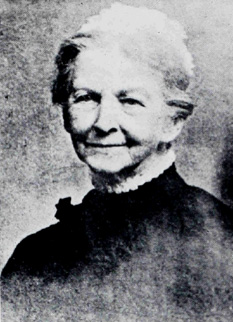
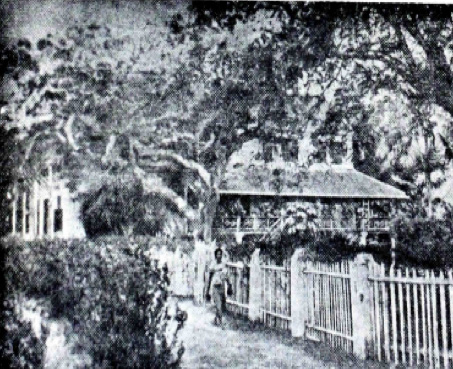
The first public school for female students in Thailand, established by American missionaries in Phetchaburi Province in 1865; at present, it is Arunpradit School.
Arunpradit School was the first public school for female students in Thailand. It was established in Phetchaburi in April 1865 by Mrs. S. G. McFarland. The school was originally named Arun Satri School.
In the early period of education, in addition to academic studies, Mrs. McFarland also trained the children in needlework and embroidery. When missionaries later introduced the first sewing machines into Thailand, Mrs. McFarland used them to train her students more extensively. This marked the first time that dressmaking using sewing machines was taught in Thailand. At that time, Phetchaburi gained the nickname “Sewing Machine Town.” As a result, the school came to be known as a handicraft or industrial school, and it is regarded as the first vocational school in Thailand to provide dressmaking education for women.
Overseas Education
In the later period, the popularity of privately studying languages and various fields of knowledge with missionaries appears to have become more widespread among both members of the royal family and common people in general. This was likely due to the expansion of trade following the Bowring Treaty of 1855, which led to broader contact with foreign merchants than before. This trend also followed the royal preference of King Mongkut, who favored those with Western knowledge and held the view that individuals of intelligence should be brought in as advisers. Those with knowledge of English also had greater opportunities to enter close royal service. As a result of the growing popularity of this new form of education, more Thai students were sent abroad for study. The first group of Thai students who received royal permission to study overseas traveled with the Thai diplomatic mission to England in 1857. There were two students: Thot Bunnag, son of Phraya Montri Suriyawong (Chum Bunnag), and That Bunnag (later Chao Phraya Suraphan Phisut), son of Somdet Chao Phraya Borom Maha Prayurawong. Both were entrusted to the British Foreign Office to arrange their studies at the Royal College in London. However, when the diplomatic mission returned, both students also returned, for reasons unknown.
Students who were sent abroad by their parents and later returned to serve under King Mongkut numbered three, as recorded by Prince Damrong Rajanubhab:
- Phraya Akkharatwarathorn (Wat Bunnag), who served as Luang Wiset Photchakan in the Krom Tha.
- Phraya Akkharatwarathorn (Net), who studied in Singapore and served as Khun Si Siam Kit, Assistant Consul of Siam in Singapore, and was later promoted to Luang Si Siam Kit, Vice Consul of Siam in Singapore.
- Chao Phraya Phatsakornwong (Phon Bunnag), who studied in England and served as Nay Ratchanatthayanu Han Hum Phrao Wiset in the Krom Alak, responsible for carrying royal commands abroad, and continued to serve as Royal Secretary for the English language throughout the reign.
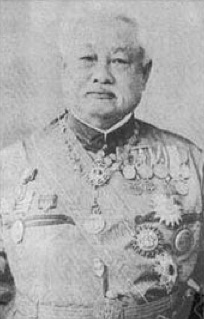
Chao Phraya Phatsakornwong (Phon Bunnag)
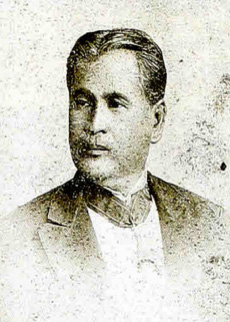
Phraya Akkharachanatphakdi (Wat Bunnag)
In addition, there were three more students who studied in Europe and later entered government service during the reign of King Chulalongkorn:
- Chao Phraya Surawong Wathanasak (To Bunnag), son of
- Chao Phraya Surawong Waiyawat, studied artillery in England and was the first Thai to complete military studies in Europe.
- Chao Phraya Ratchanupraphan (Sutjai Bunnag), son of Chao Phraya Phanuwong Mahakosathibodi (Thuam Bunnag), studied in England.
Luang Damrong Surinthorarit (Bin Bunnag), son of Chao Phraya Surawong Waiyawat, studied in France.
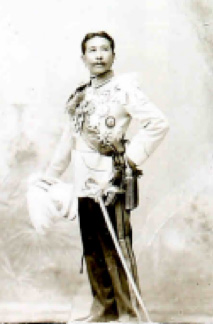
Chao Phraya Surawong Wathanasak (To Bunnag)
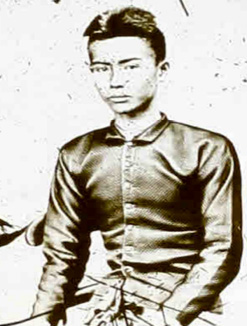
Chao Phraya Ratchanupraphan (Sutjai Bunnag)
According to the record in Chumnum Phra Niphon Somdet Krom Phraya Damrong Rajanubhab, there was a commoner who studied languages and had the opportunity to accompany missionaries to study medicine in the United States. He obtained a medical certificate and returned to Thailand, where he entered government service during the reign of King Chulalongkorn. This individual was Tian Hee, who served in the position of Phraya Sarasinsawamiphakdi.
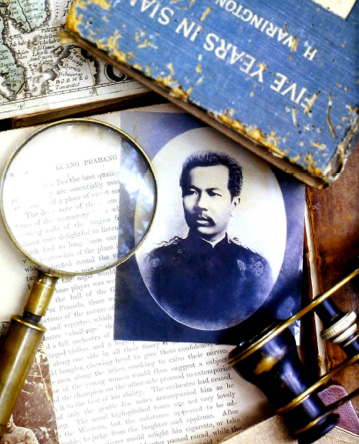
Phraya Sarasinsawamiphakdi (Tian Hee Sarasin)
Overseas Study Visits
In addition, King Mongkut was firmly determined to modernize the country to achieve progress comparable to that of civilized nations. His Majesty graciously ordered Chao Phraya Si Suriyawong and His Royal Highness Prince Krom Muen Witsanunat Niphathorn to study the system of governance and national development of England in Singapore in 1861. Furthermore, civil officials were sent abroad to study specific fields according to royal requirements, such as dispatching Khun Mahasitthiwohan to observe printing practices and Muen Chakkrawichit to receive training in clock repair.
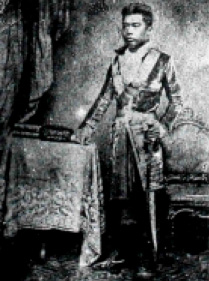
His Royal Highness Prince Suppradit
Krom Muen Witsanunat Niphathorn
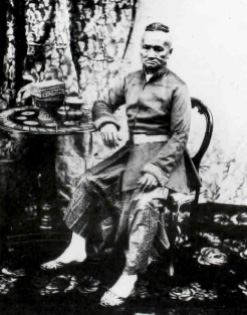
Somdet Chao Phraya Borom Maha Si Suriyawong
(Chuang Bunnag)
It can be seen that King Mongkut greatly promoted Western-style education, both domestically and overseas, through sending students abroad to study and undertake study visits. In addition, some individuals actively sought knowledge from missionaries, accompanied missionaries abroad for further study, or were sent overseas by their parents using private funds. Almost all of those who went abroad for education later returned to enter government service during the reign of King Chulalongkorn.
Promotion of Non-Formal Education
In addition to formal education, modern knowledge was also disseminated to enable the general public to understand it according to academic principles, which played an important role in transforming the worldview of society. In the field of science, His Majesty promoted the dissemination of modern knowledge so that people could understand it scientifically, thereby altering long-held beliefs that differed from the new knowledge being introduced at that time. This included scientific explanations of natural phenomena, explaining that such events occurred according to natural cycles rather than being the actions of deities or spirits. For example, droughts or periods of heavy rainfall were explained as being dependent on geographical and climatic conditions rather than supernatural forces. His Majesty advised that, to prepare for drought, people should store water for use and hasten rice cultivation during periods of abundant rainfall so that there would be sufficient produce for consumption throughout the year, with surplus available for sale to generate additional income during the dry season. As for solar eclipses, these could be explained by the orbital movements of the Earth, the Sun, and the Moon, rather than by superstition as previously believed. For this reason, His Majesty was able to accurately predict the occurrence of a solar eclipse at Wa Ko Subdistrict, Prachuap Khiri Khan Province.
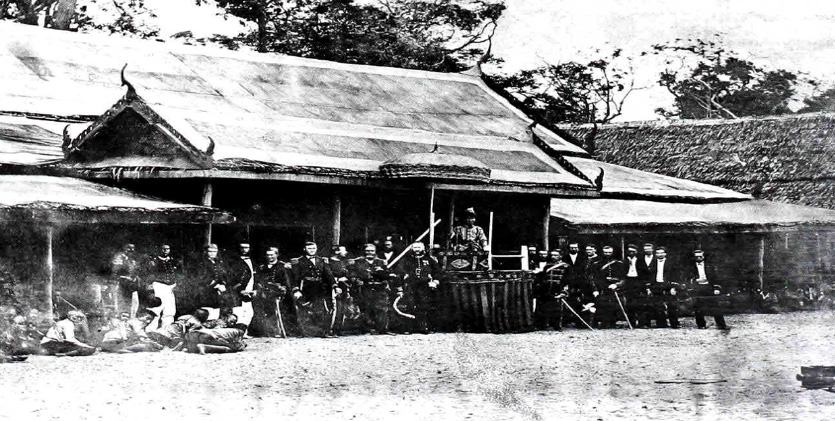
King Mongkut resided at the pavilion at the landing stage and graciously granted a royal photograph with visiting foreign guests at the royal camp at Ban Wa Ko.
This approach was effective in transforming traditional beliefs and attitudes of the Thai people, while simultaneously providing new scientific knowledge. It thus laid an important foundation for scientific education based on academic principles in later Thai society.
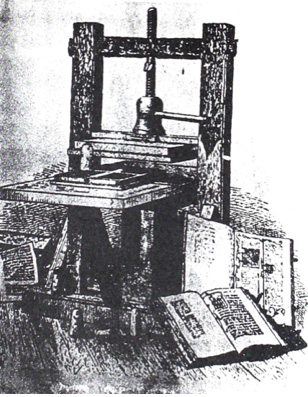
The first printing press introduced for use in Thailand by Dr. Bradley
In the field of printing, the first Thai to initiate book printing was King Mongkut, while he still held the title of Somdet Chao Fa Mongkut and was in the monastic order at Wat Bowonniwet Vihara. Recognizing the value of books, and seeing that missionaries used printing to disseminate Christianity, His Majesty conceived the idea of using printing to propagate Buddhism. He therefore graciously ordered a printing press to be installed at Wat Bowonniwet Vihara and printed books of Buddhist chants in Ariyaka script, among others.
In 1847, Dr. Bradley’s Bangkok Calendar stated that “…the printing house of the Great Prince possessed one printing press, one set of Thai type, two sets of English type, and two sets of Pali type. Most of the printed materials were in Pali, and it was described as the first printing house in Thailand…”.
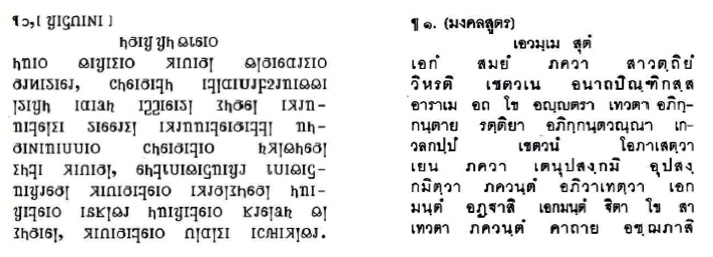
The Mangala Sutta in Ariyaka script
In 1851, when King Mongkut ascended the throne, His Majesty graciously ordered the construction of another printing house within the Inner Palace area. It was a two-storey building bestowed with the name Akson Phimphakan Printing House, which served as a royal printing house and functioned as the first national printing house. In 1858, it published the Royal Gazette, the first official government newspaper, intended to report news of the royal court and to record information from various official proclamations.
As for Dr. Bradley’s printing house, it was not restricted but was instead respected as the father of all printing houses. He was also granted the first printing copyright in Thailand to print Thai-language textbooks, such as Chindamani, Prathom Ko Ka, Prathom Mala, as well as other academic texts, including technical manuals and modern medical textbooks, for distribution.
The introduction of printing technology into Thailand marked a highly significant turning point in the widespread dissemination of knowledge to the general public in a new form. Knowledge began to shift from an oral tradition to dissemination through written language in permanent textual form. Knowledge that had previously been confined to the royal court or among government officials became increasingly accessible to the public. This expansion of knowledge dissemination represented the integration of traditional Thai education with the Western knowledge introduced by foreign missionaries, accelerating progress in Thai education. Thai-language textbooks that were developed and printed at Dr. Bradley’s printing house were likely also used for teaching Thai in missionary schools.
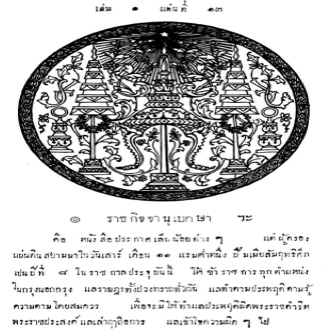
It may be said that the acceptance of English-language education and Western civilization during the reign of King Rama IV marked a valuable turning point in the development of national education. The traditional educational system of the nation, which had been passed down for centuries, gradually began to change toward a new direction from that time onward. The practice of sending people abroad to study in order to apply new forms of knowledge to improve various fields, although still limited to nobles and high-ranking officials, laid the foundation for human resource development as an important force for the long-term development of the country. This later led to the diversification of government agencies and an increasing demand for specialized knowledge.
His Majesty bore numerous responsibilities at a time when the country faced great difficulties and was in a precarious situation due to colonial ambitions. Nevertheless, he successfully resisted the powerful tide of colonial expansion and laid the foundations for national reform and development. However, his reign lasted only seventeen years, and he had spent many years personally studying and acquiring various fields of knowledge, while the Thai population at that time had limited access to education. As a result, the country was not yet ready to fully embrace change. Even so, His Majesty endeavored to establish educational foundations and to persuade the people to accept modern knowledge and rational thinking. Many of these royal initiatives later came to fruition during the reign of King Chulalongkorn, his royal son, in large measure.