

King Mongkut Studies Project
Siam Opens Its Doors to Trade in the Reign of King Rama IV: The Foundation of the Nation’s Economic Development
Compiled and edited by Ms. Sampong Yimlamai and Ms. Suphap Klinrueang
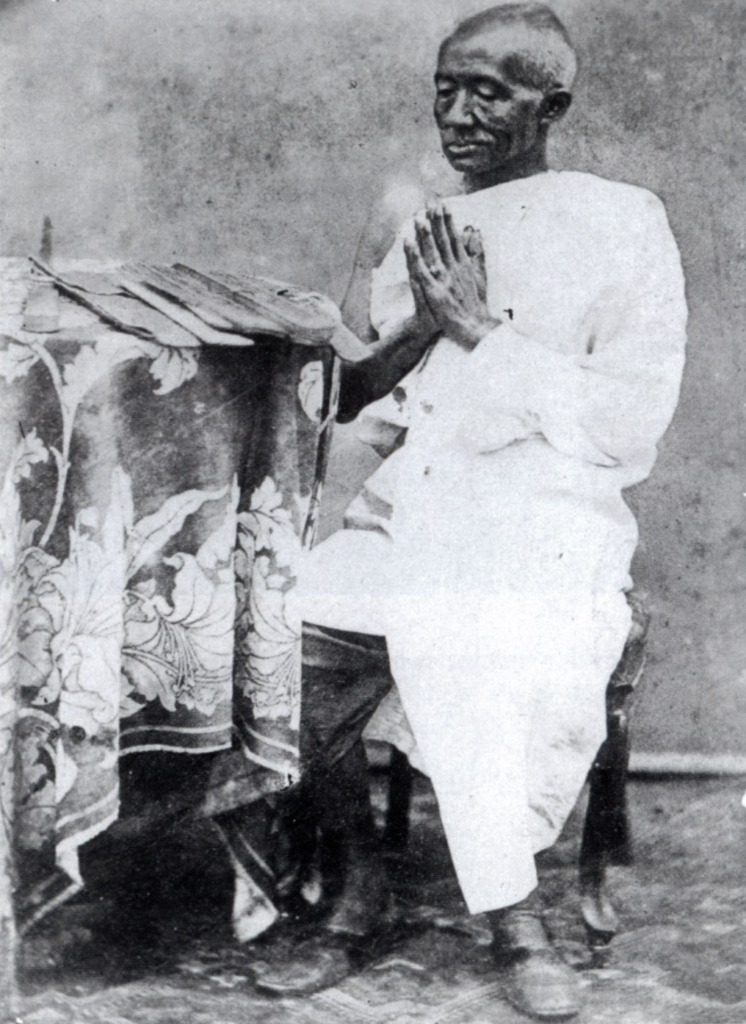
King Mongkut was a monarch of the Rattanakosin period who pursued a policy of broadly opening relations with Western nations and served as a “prototype” for later foreign policy. This was because during the 27 years he spent in the monastic order, he closely followed news of the movements of Western great powers, out of concern for the future of the country. He perceived that the time had come for the Thai people to begin making efforts to study and acquire knowledge about Western peoples, as well as Western-style progress, in order to prepare for future events that would affect the nation, such as the Industrial Revolution in Europe and the expansion of imperialism by Western great powers competing in military strength in the search for overseas colonies, which had begun to enter the Southeast Asian region since the reign of King Rama III, including Britain’s victories over Burma, China, and the Malay states.
the Industrial Revolution in Europe
In the eighteenth and nineteenth centuries, beginning in Great Britain and subsequently spreading to other European countries, industrial advancement led to production volumes exceeding domestic demand. This made it necessary to seek additional markets in order to dispose of surplus goods, resulting in competition to expand influence into various regions. At that time, countries in Asia, including Thailand, were facing increasing pressure and threats from Western powers. In particular, China, which was regarded as a major power in Asia, suffered defeat at the hands of Britain because it attempted to restrict trade and refused to open the country to relations with Western nations, leading to severe consequences for China, most notably the Opium War (1840–1842). During this same period, Britain and France were also seeking to establish strategic footholds in Burma and Indochina, to be used as stepping stones toward Yunnan and Tibet.
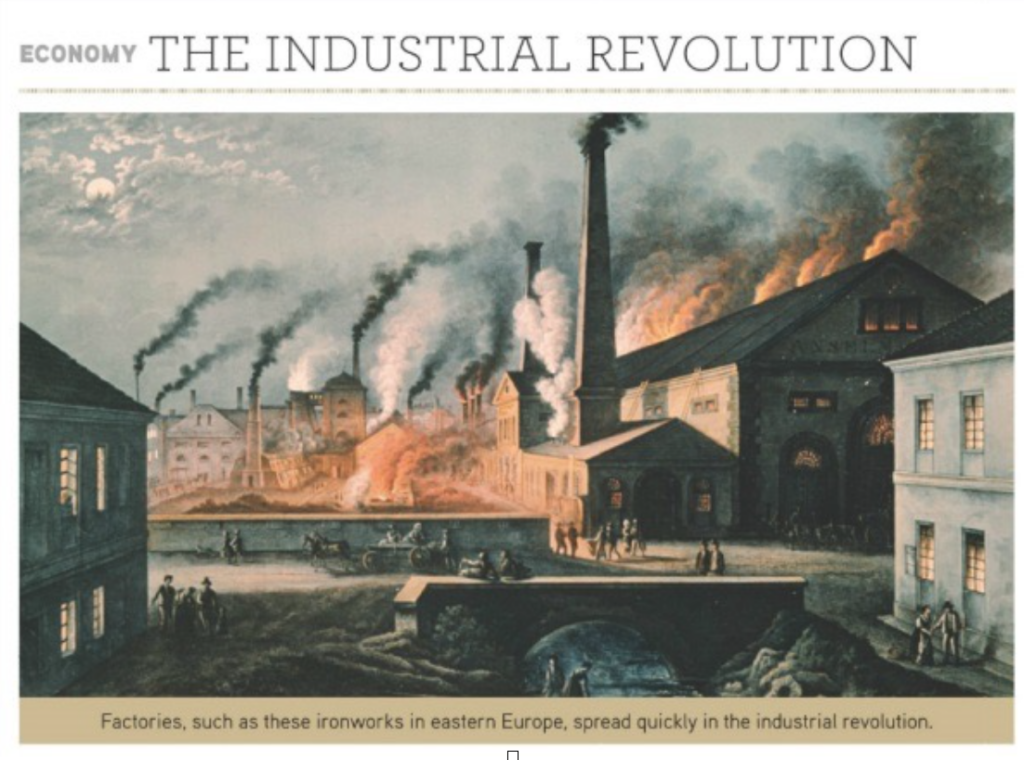
The Industrial Revolution
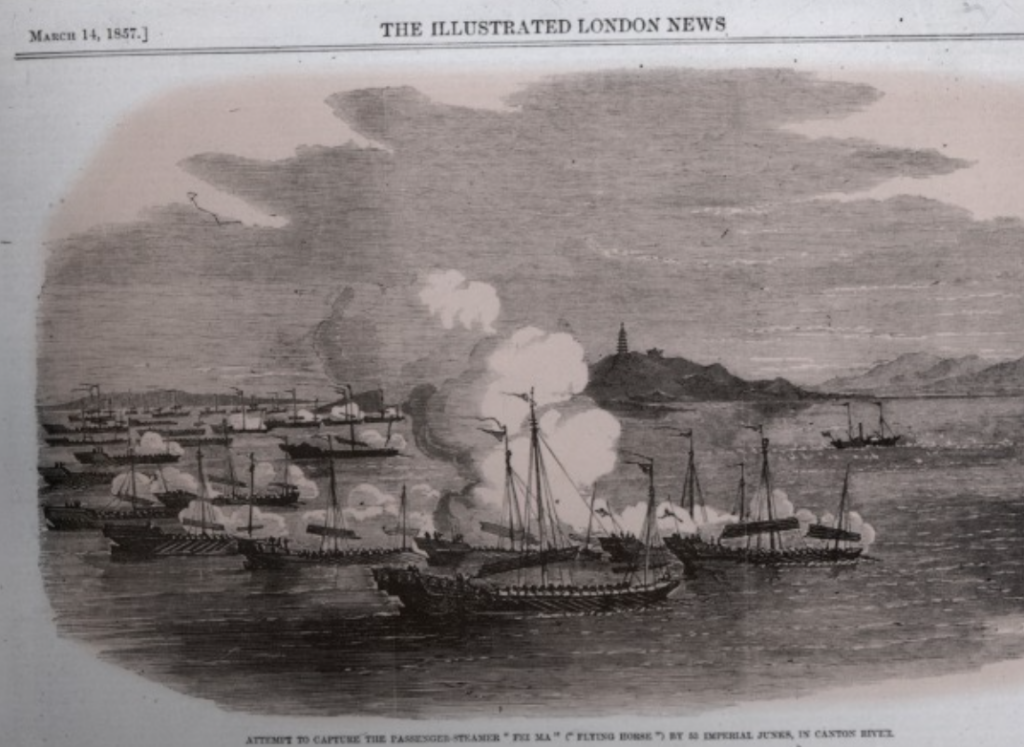
the Opium Wars in China
the reign of King Mongkut (Rama IV)
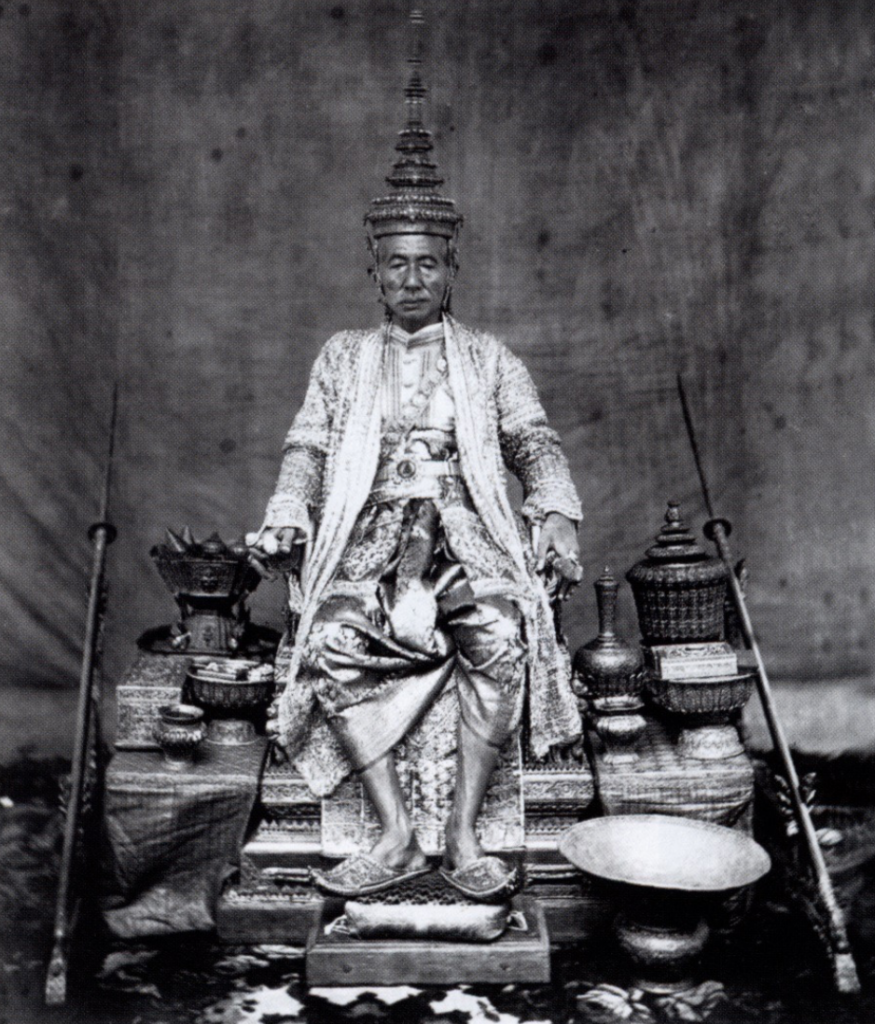
Wearing the Royal Regalia of State and the Great Crown of Victory, photographed in 1864.
He reigned from 1851 to 1868, a total of 17 years, a period during which Thailand, or Siam at that time, entered a major transformation in its system of foreign trade. This included the Bowring Treaty, as well as subsequent treaties with other nations, which led to the abolition of the royal trade monopoly under the Royal Warehouse, the removal of prohibited goods, and a change in the method of tax collection on merchant vessels. These developments constituted a major transformation in Thailand’s traditional trading practices.
The Bowring Treaty
In 1855, Sir John Bowring, the British plenipotentiary, traveled to Siam to request the conclusion of a treaty of friendship and commerce, known as the Bowring Treaty. In the negotiation of this treaty, the Siamese side proceeded in accordance with the royal policy of His Majesty King Mongkut, namely that on matters which it was apparent that Britain was determined to obtain, Siam consented willingly in order to exchange for concessions that Siam wished Britain to relax or mitigate. This was done so that the treaty negotiations might proceed smoothly and would not provide an opportunity for the “Westerners” to use force, as had been done in China and Burma.
Sir John Bowring stated: “I rose to declare my deep sense of gratitude for the great kindness of His Majesty the King in the cordial reception accorded to me, and for the every facility afforded to me in conducting my diplomatic negotiations to a speedy and successful conclusion. I expressed my confidence that this treaty would help make the name of the country of Siam better known among the nations of the West, and would contribute to lasting prosperity for both treaty countries, and ultimately for the wider world…”
Subsequently, Siam’s willingness to conclude unequal treaties with other countries, including the United States, France, Denmark, Portugal, the Netherlands, and Prussia, was intended to prevent Britain from exercising influence over Siam alone. This policy encouraged various countries to maintain their respective interests in Siam in such a way that they would balance one another, preventing any single nation from acquiring excessive power and influence in the country. However, the extent to which the nation could survive in safety ultimately depended on the diplomatic skill and administrative ability of its leadership.
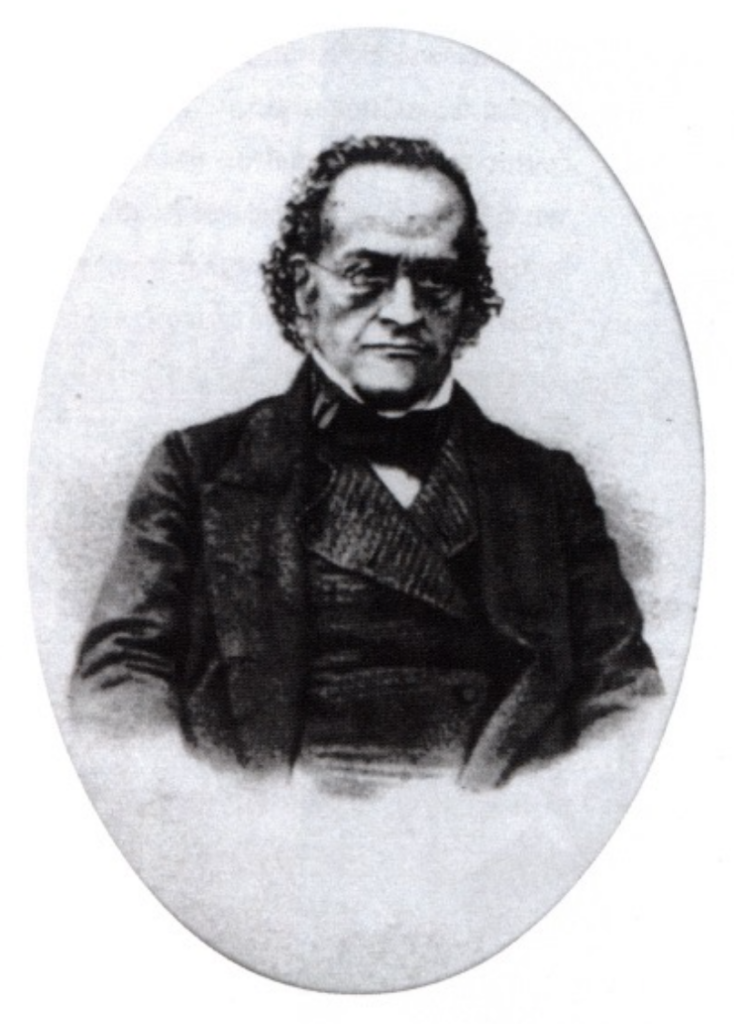
Sir John Bowring
17 October 1792 – 23 November 1872
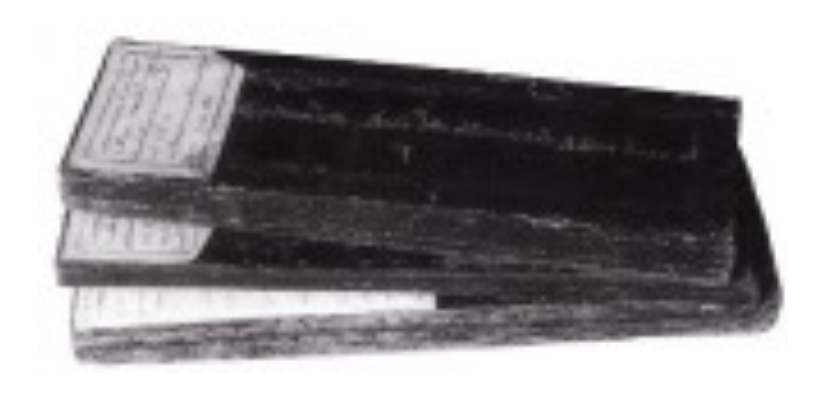
The Bowring Treaty was a treaty concluded between the Kingdom of Siam and the United Kingdom, signed on 18 April 1855.
The key provisions of the Bowring Treaty relating to trade are as follows:
Buyers are permitted to purchase and export all types of goods freely; however, the Siamese government reserves the right to prohibit exports in the event of famine.
2. Sellers are permitted to import and sell all types of goods in Bangkok, with the exception that weapons and military equipment must be sold exclusively to the government, and opium must be sold only to the opium tax farmer.
3. Buyers and sellers are free to conduct trade directly with one another without restriction.
4. The port duty was abolished and replaced with a customs duty of 3 percent on imported goods.
As a result of the treaty, Thailand experienced significant changes in its trading system, which later became an important foundation for the country’s economic development.
Free trade
Many foreigners entered Siam to engage in trade, and Thai products sold better, especially rice. King Rama IV promoted rice cultivation to the fullest extent: “If any subjects have no rice fields to cultivate, officials, nobles, and provincial administrators shall arrange and allocate fields for them to farm,” thereby increasing output through the expansion of cultivated land. Incentives were provided to encourage the people by revising tax rates to be fairer, such as land taxes. The King had official announcements of tax rates printed and made known to the people so that they would be encouraged to earn their livelihoods. In addition, cultivation of other agricultural crops besides rice was promoted, namely sugarcane, tobacco, cotton, jute, and fruits and vegetables (National Archives, Reign of King Rama IV Documents, No. 148, Chulasakarat 1224), to diversify export commodities. This laid the foundation for a new economic system in Siamese society.
“Professor Ingram, author of a study on economic change in Thailand between 1850 and 1950, observed that the most important aspect of Thailand’s economic development during this period was rice production, which increased rapidly after the Bowring Treaty. From exports of less than one million hab per year, rice exports rose to 26 million hab by 1951. This shows that over a period of one hundred years, the volume of rice exports increased twenty-fivefold since the time of the treaty, while the country’s population increased only fourfold. This demonstrates that among the major economic changes since 1855, no economic activity equaled rice exports, which were the product of Thai farmers.”

James C. Ingram was an economist who wrote a thesis entitled Economic Change in Thailand, 1850–1950 (Economic Change in Thailand since 1850).
“Dr. Bradley stated that (Bangkok Recorder, 1866: 223) Bangkok could be compared to a great granary for the distribution of rice in Asia. There were numerous merchant vessels waiting to load rice; during the period from 1 January 1866, there were 26 foreign ships anchored in Bangkok and 46 Siamese ships, making a total of 72 vessels.”
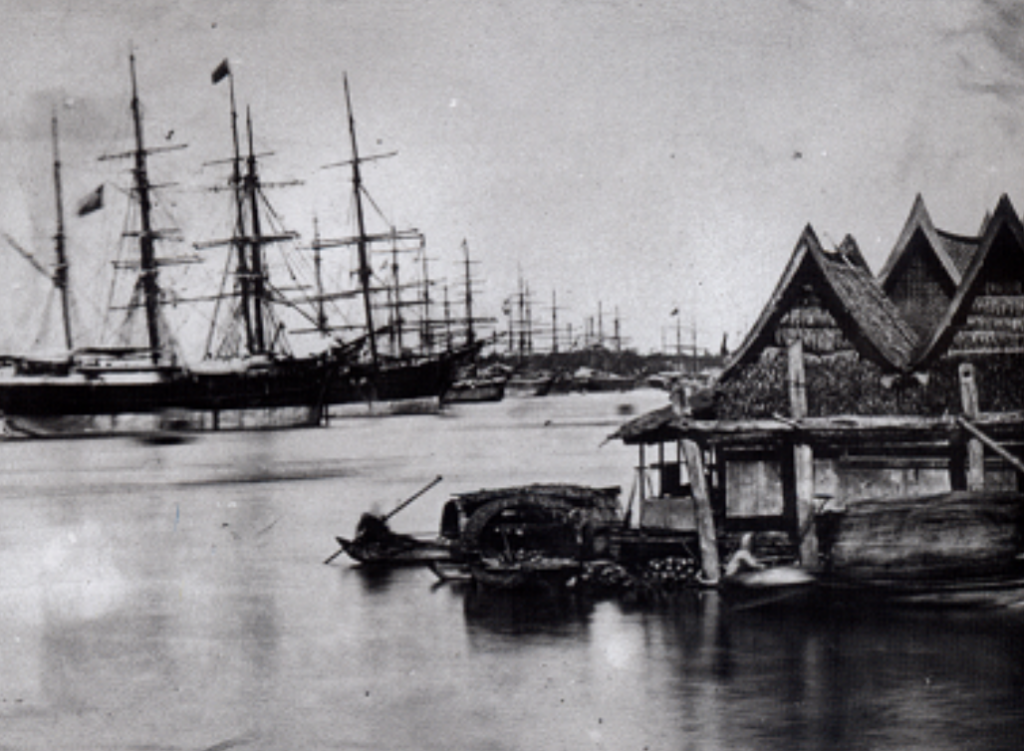
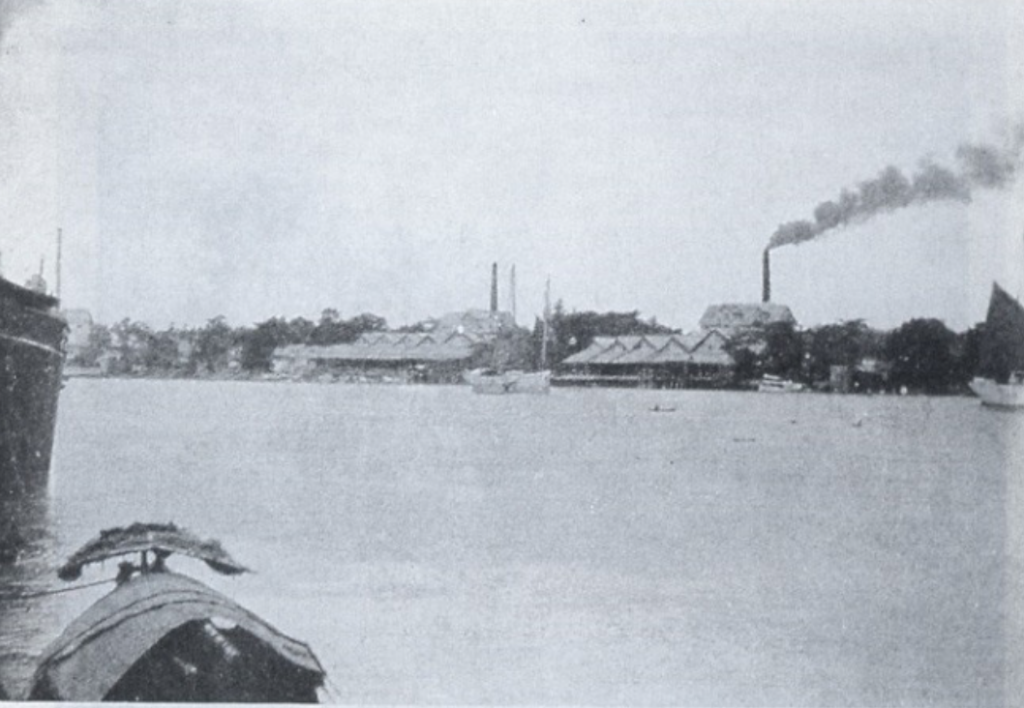
The Chao Phraya River had a water depth sufficient for steamships of up to 1,500 tons in displacement, and rice mills could be seen lining both banks of the river.
“Bangkok Recorder, 1866: 202. After another 15 days had passed, the number of merchant vessels increased to 84 ships. Almost all of these vessels were waiting to load rice.”
“Bangkok Recorder, 1866: 203. This shows that trade with foreign countries had expanded very widely, and that the government had opened free trade between merchants and the people, abolishing monopolies in accordance with the Bowring Treaty.”
“National Archives, Documents of the Reign of King Rama IV, No. 122, Chulasakarat 1218: The government issued a proclamation permitting the people to trade goods with foreign countries, stating in substance that any subjects who had rice, fish, sugarcane juice, sugar, or other goods, if they wished to sell them to people outside the country, were free to do so at their own discretion and with convenience.”
Fiscal policy
With the abolition of the Royal Storehouse, state revenue was limited to domestic sources and to import and export duties alone. Income derived from monopolies and the double taxation imposed on foreigners was lost, resulting in a decline in government revenue. The King therefore expanded and systematized the tax collection system by increasing the number of types of taxes through the tax-farming system, adding a further sixteen categories of taxation. At the same time, efforts were made to promote a greater volume of imports and exports by encouraging foreign merchants to engage in trade, while simultaneously promoting increased domestic production.
Industrialization and production machinery
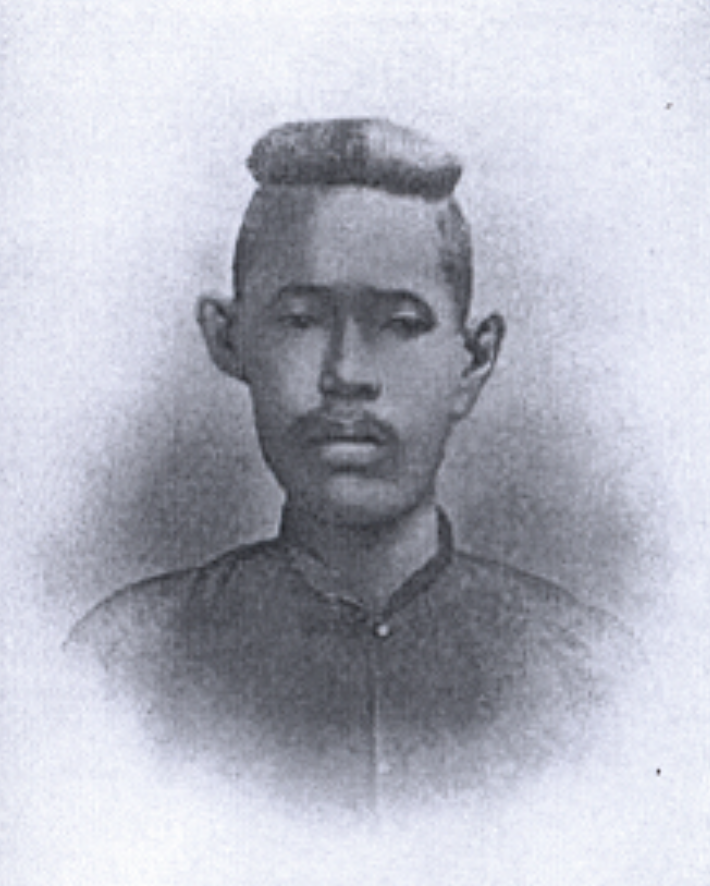
His Royal Highness Prince Isaraphong, progenitor of the Isarasak na Ayutthaya lineage
(23 November 1820 – 29 October 1861)
He was a royal son of His Royal Highness Prince Maha Sakkadiphalsep, the Front Palace, and Her Royal Highness Princess Darawadi.
He sent Prince Isaraphong to study the establishment of a cement factory in Saraburi in 1858. In terms of domestic industry, rice mills were established, and machinery for rice milling was introduced for the first time (Bangkok Recorder, 1866: 243). Cotton ginning factories using machinery enabled the people to increase cotton production, and factories were set up to purchase cotton directly (National Archives, King Rama IV Documents No. 161, Chulasakarat 1277). Steam-powered sawmills, which used machinery instead of human labor previously done by hand sawing, made it possible to export larger quantities of timber, especially teak, to foreign countries (Bangkok Calendar, 1862: 4).
The establishment of foreign trading companies and commercial firms
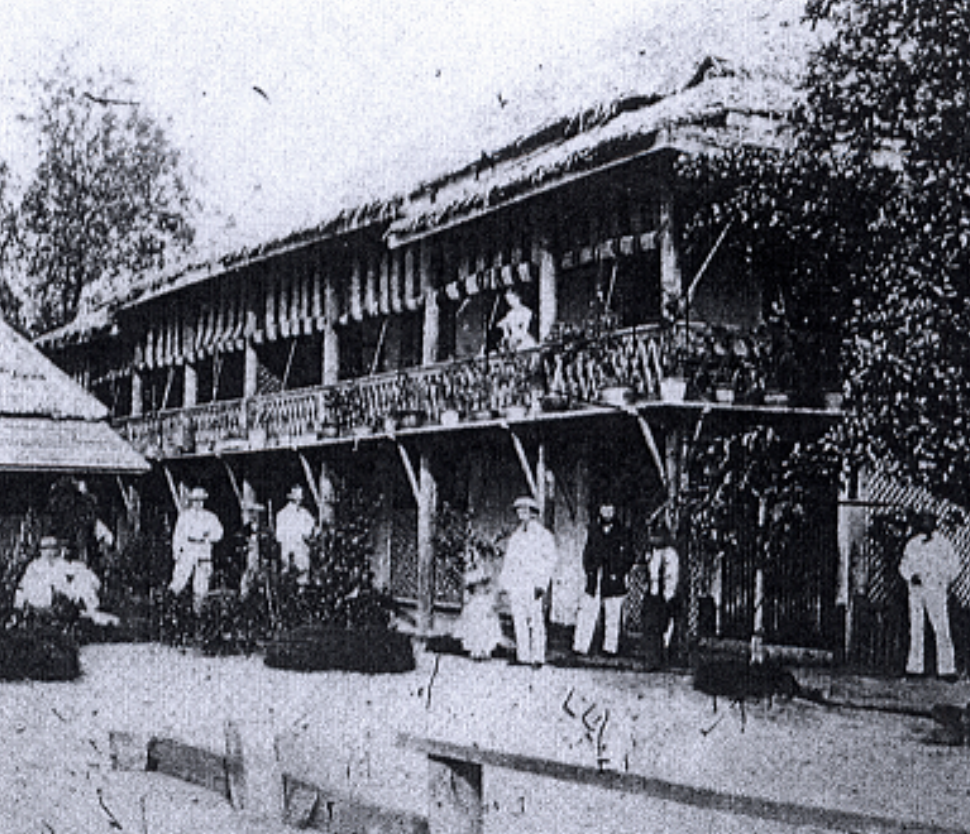
Markwald Company (Germany)
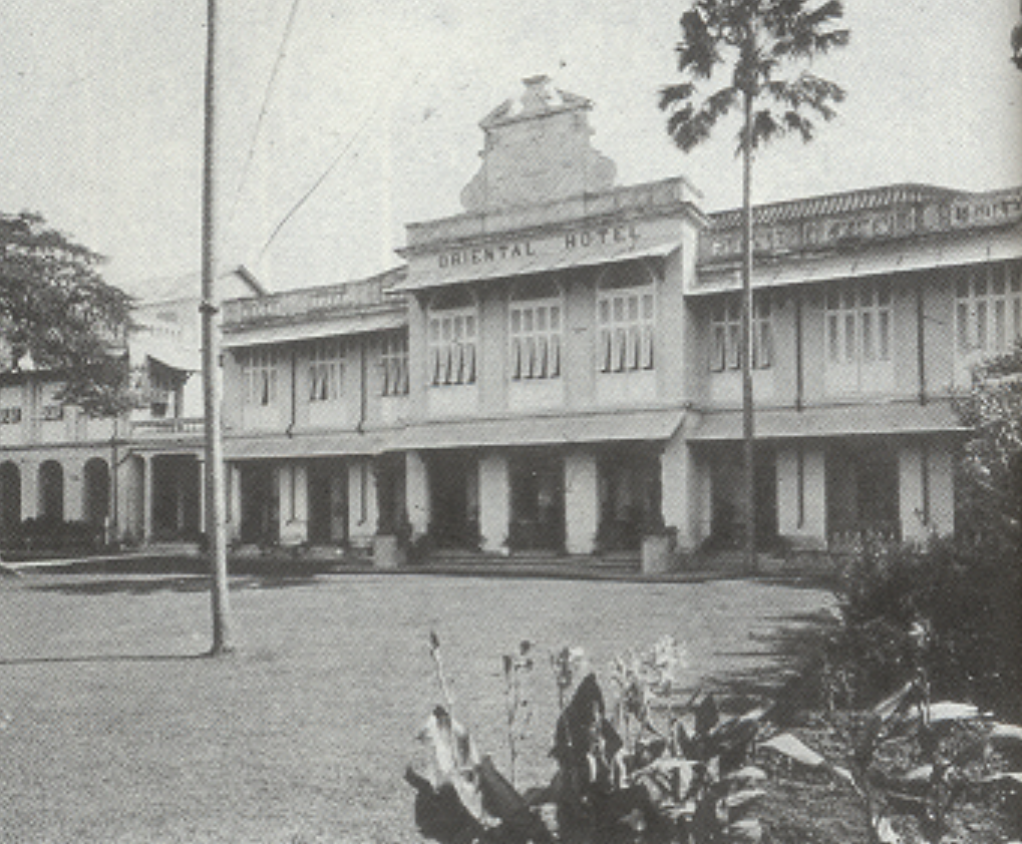
The Oriental Hotel, Bangkok, photographed around the reign of King Rama V (before 1910). This hotel had advertised in the Bangkok Recorder newspaper since 1865, indicating that it is the longest-established hotel in Thailand. Image from the National Archives of Thailand.
Foreign trading companies were established, with many firms setting up shops and conducting business in Bangkok. These included Parker Goodale, Mason, Borneo, Schmit, Pickenpack, Markwald—known among Thais as Hang Makua—and Odman (Bangkok Calendar, 1868: 63). In addition to trading firms and factories, hotel enterprises were also established during the reign of King Rama IV, namely Falck’s Hotel, owned by C. Falck, which opened in October 1863, and Carter’s Hotel, owned by P. Carter (Bangkok Calendar, 1869: 64). The Oriental Hotel, Bangkok, was also founded during this period (Anek Nawikamul, 2006: 24).
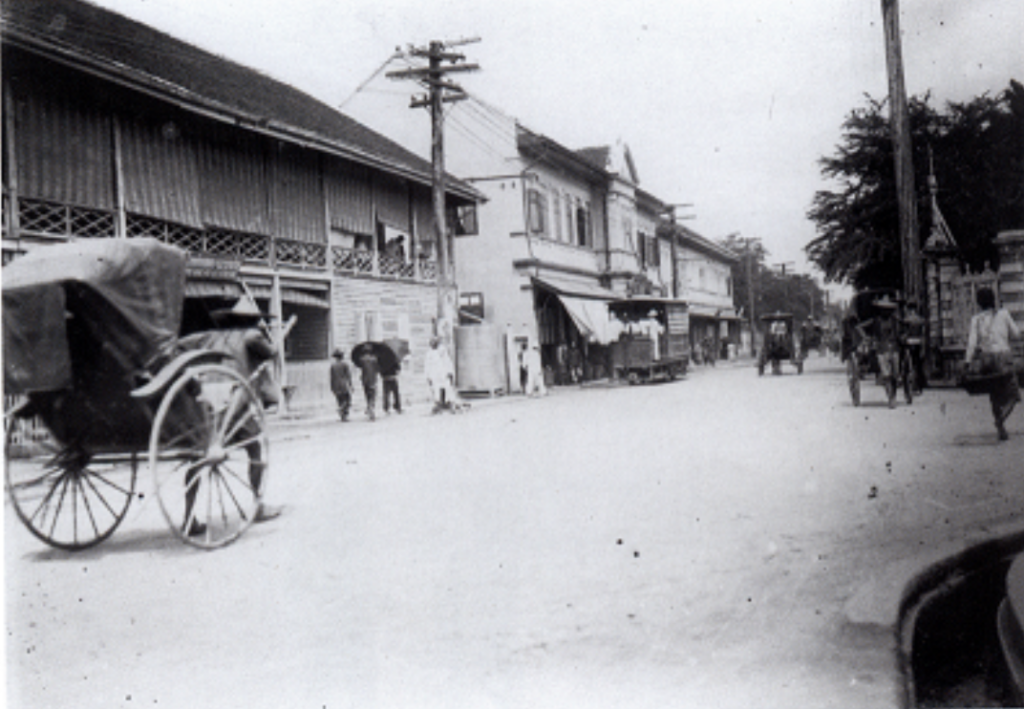
Charoen Krung Road was constructed in two sections. The southern section of Charoen Krung Road was built in 1861, and the inner section was built in 1862. The two sections met at Saphan Lek Bon (Damrong Sathit Bridge). At that time, it was commonly known as the “New Road.”
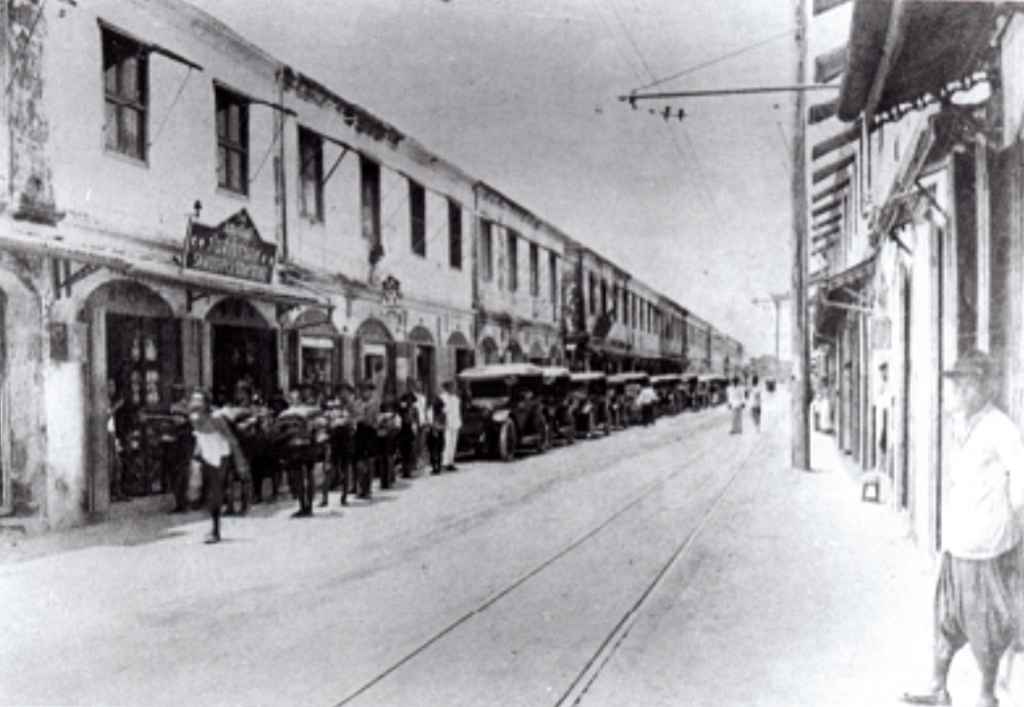
Bamrung Mueang Road is 6 meters wide and extends from Sanam Chai Road to Samran Rat Gate, with a total length of 1.2 kilometers.
Transportation sector
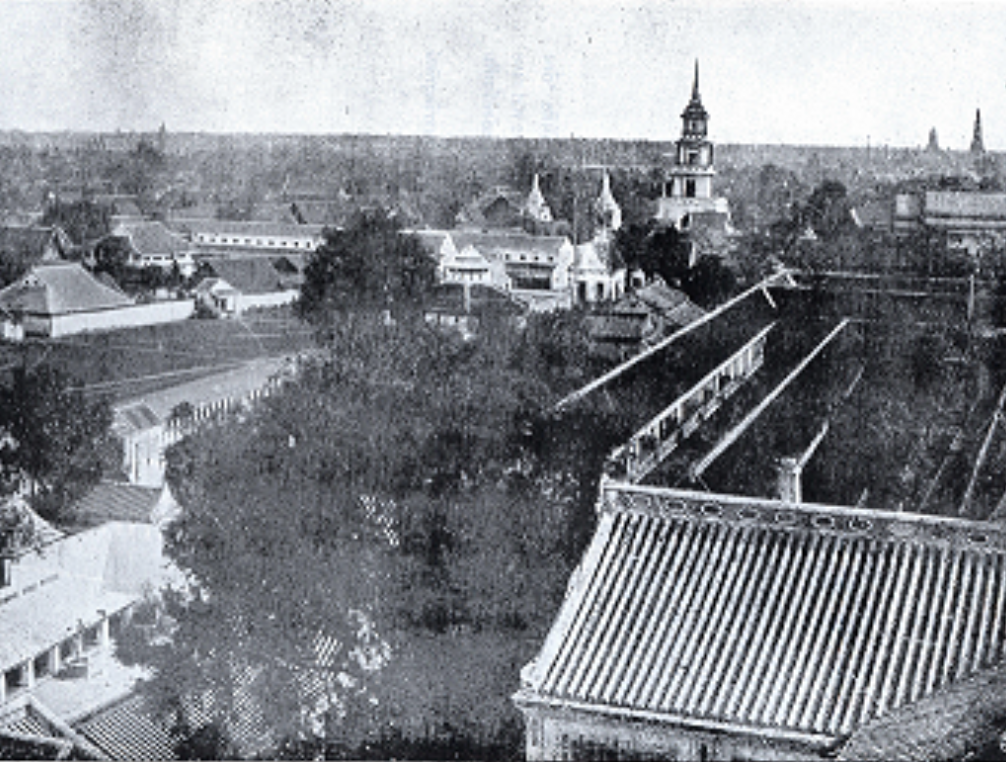
The shophouses on Charoen Krung Road are the long white buildings with rows of windows visible in the middle of the image.
This section of Charoen Krung Road was newly constructed in 1862, partly by widening the existing route and partly by cutting new sections.
During the reign of King Rama IV, land and water transportation routes were improved and expanded in order to increase routes for travel and facilitate commercial contacts.
In road construction, new types of roads were built to replace the former cart paths, especially major roads in Bangkok, including Charoen Krung Road, Bamrung Mueang Road, Fueang Nakhon Road, and Silom Road. As a result, shops and single-storey shophouses appeared along both sides of the roads, becoming trading areas for Chinese and Western merchants in increasing numbers (Prince Damrong Rajanubhab, 1973: 237). Overland trade expanded, giving rise to shops and important commercial districts. The population gradually shifted from the traditional preference for settling along waterways to living along both sides of roads, leading to the emergence of a new form of urban community in later times. In the provinces, road expansion also took place in many major towns, such as the construction of a road from Songkhla to the border of Kedah in Malaysia, which at that time was under British rule. Dr. Bradley proposed the construction of a road between Bangkok and Chiang Mai, which was then governed under the system of local rulers, in order to facilitate travel, promote trade, and strengthen amicable relations more smoothly (Bangkok Recorder, 1866: 254).
Canal excavation in the waterway sector involved dredging existing canals and constructing additional new canals, such as Maha Sawat Canal, Thanon Trong Canal, Chedi Bucha Canal, Phasi Charoen Canal, Damnoen Saduak Canal, Bang Li Canal, and Lat Yi San Canal, in order to facilitate transportation and trade. In addition, many bridges were built across canals to connect roads, including bridges constructed of wood, iron, and brick and mortar following Western models (Prince Damrong Rajanubhab, 1961: 238). Steamships were also used for overseas trade for the first time during this period (Bangkok Recorder, 1866: 238), representing a significant advancement in the use of transportation for commerce at that time.
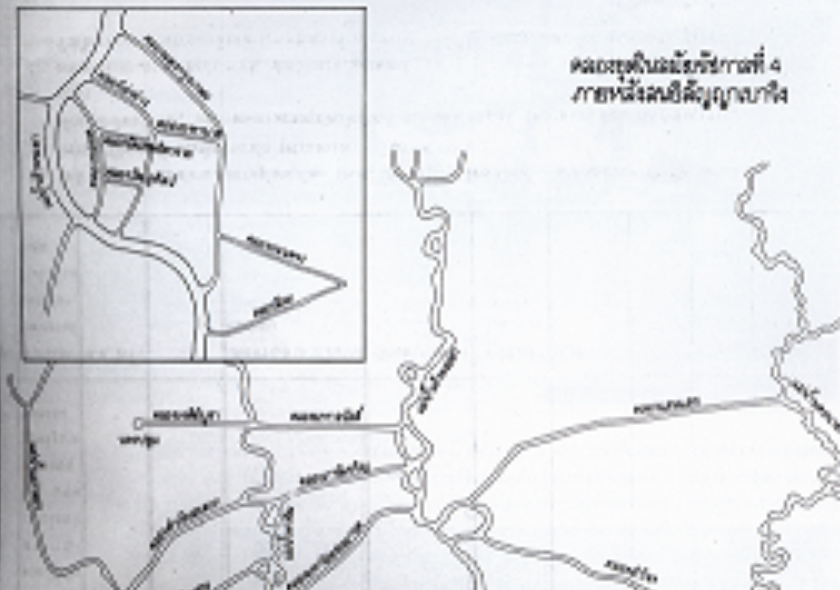
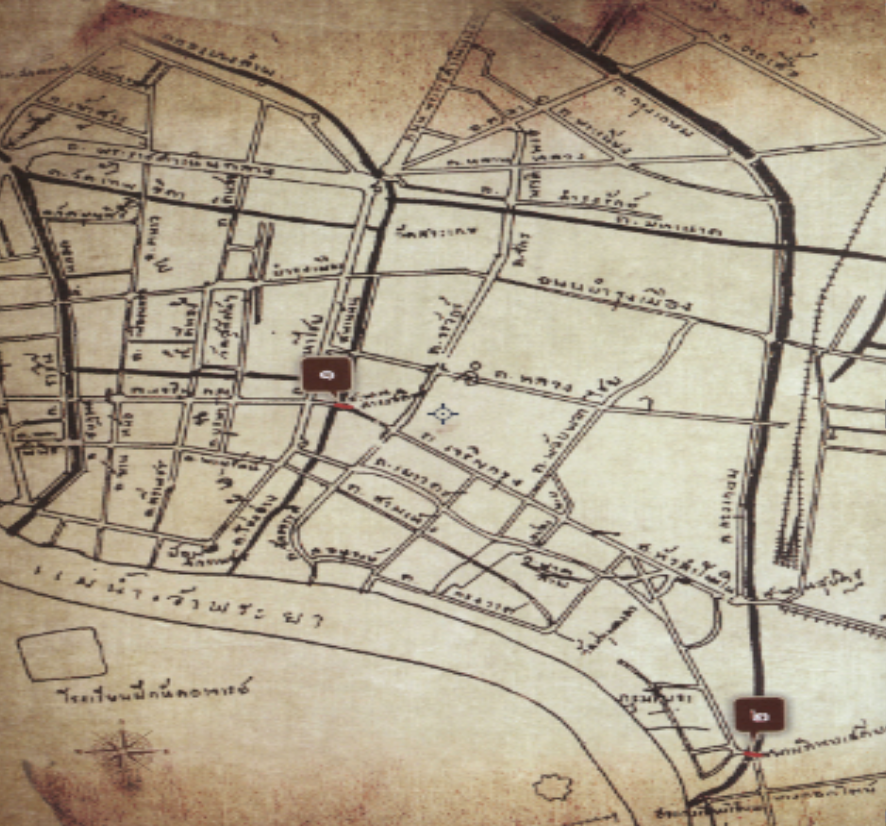
Canals, Roads, and Bridges Constructed during the Reign of King Rama IV after the Bowring Treaty
Monetary economy
Previously, Thailand used cowrie shells as currency and the bullet-shaped silver money known as baht. When the country was opened to free trade, foreign currencies and gold entered the country in increasing amounts each year. This caused problems in trade, as the people were unfamiliar with the monetary system and did not accept foreign currencies. King Rama IV therefore undertook measures to reform the monetary system. He issued a royal letter to the diplomatic mission sent to cultivate relations with Britain in 1857, instructing them to procure coin-minting machinery for use in the country. The mission purchased the machinery as requested from Taylor Company in Birmingham. The machinery arrived in Siam at the end of 1858. Thereafter, coins of various denominations were produced and put into circulation from 1860 onward, including copper coins, tin coins, and gold coins. In 1863, paper currency was also introduced for use in place of money, called “mai,” along with cheques known as “royal notes of currency payment.” The King established a standardized monetary system for Thailand to facilitate international trade, as follows:
– Establishing fixed exchange rates between Thai currency and foreign currencies
– Improving Thai currency to meet standards comparable to those of Western countries
– Issuing official announcements to explain the system to the people and enable them to adapt to the modern monetary system
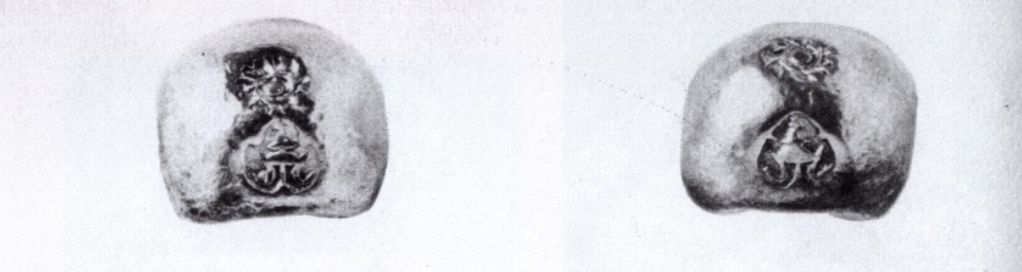
The bullet-shaped silver money (phot duang) during the reign of King Rama IV bore the emblem of the kingdom in the form of a chakra, and the emblem of the reign in the form of the Great Crown.
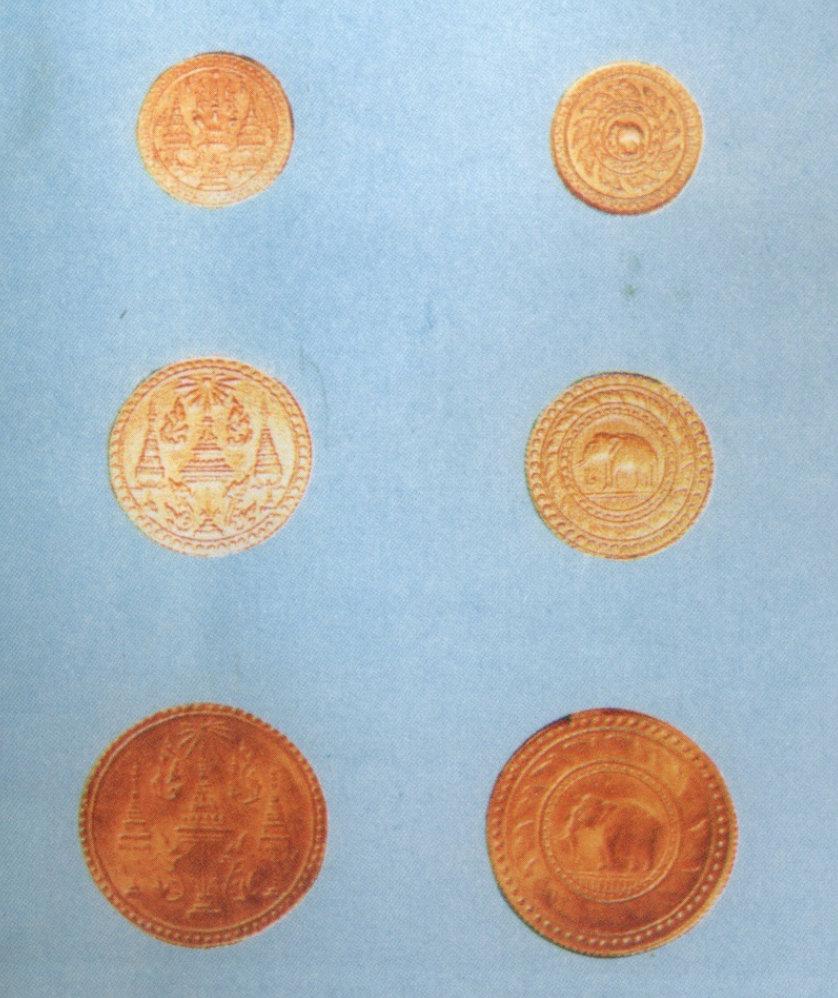
Gold coins were issued in denominations of Tots (8 baht), Phit (4 baht), and Phatduengs (10 salueng). They were put into circulation in 1863 and discontinued in 1908.
Concepts and methods for reforming the economic system to lay the foundation for national development
If one considers the consequences that followed, although the Bowring Treaty may be seen as having led Siam into a new economic system and enabled the development of the nation-state to the point where it could fully conduct policies with the great powers, this treaty nevertheless contained several provisions that placed Siam at a disadvantage. For example, Siam had to relinquish extraterritorial judicial rights, causing the country to appear weakened in its exercise of sovereignty over its own territory in the eyes of both Siamese and foreigners alike, to the extent that rumors spread that Siam had effectively lost this authority as if it were under British rule, no different from neighboring countries at that time. King Rama IV offered a royal explanation on this matter, stating (National Archives of Thailand, Documents of the Reign of King Rama IV, No. 550, n.d.: 1):
“…It has been heard that many princes and officials speak and think that because the royal palaces and senior ministers in the present reign associate and are on friendly terms with the English, learning their language and using their writings, the English have therefore encroached greatly, causing various disturbances and much annoyance. On this matter, in earlier times fifty years ago, Koh Mak was Siamese territory; later, when Koh Mak became English territory, who was it that associated with the English? Singapore was formerly the land of Malay rulers, but became English territory when they established a major trading post in the year 1181 of the Lesser Era, and to this day in the capital it is still called the New City—was this because some Siamese prince associated with the English?…”
This evidence demonstrates the necessity for Siam to accept opening its doors to trade with foreign countries in order to ensure national survival. At the same time, despite the disadvantages, benefits were also gained, namely the laying of foundations for developing people with knowledge of the English language and for conducting trade in a more systematic, international manner, which would ultimately serve the interests of the realm as a whole rather than only particular individuals. As the leader of the country, the King understood the various circumstances of neighboring countries and the outcomes that had occurred in surrounding nations, and he was keenly aware of the military power of the Western great powers, recognizing clearly that Siam had no means to defeat them. Instead, it was necessary to be flexible and accommodating while preparing defenses through national development—advancing society, culture, and the economy in a more appropriate manner—so as to minimize damage to the country, while at the same time seizing the opportunity to lay foundations for a new and suitable model of national development. This is reflected in the royal speech stating (ibid.: 3):
“…Given the conditions as they are today, our country is surrounded on two or three sides by nations with great power. What then will become of a small country such as ours? Even if we were to suppose that we discovered gold mines within our country and were able to extract millions of chang of gold, sell it, and use the money to buy a hundred warships, we still would not be able to fight and contend with those powers for any reason whatsoever. This is because we would still have to purchase warships and weapons from those same foreign countries. We do not yet have the capacity to manufacture such things ourselves. Even if we had sufficient funds to buy them, they would cease selling them to us once they knew that we were becoming too powerful beyond our station. In the future, it would seem that the only truly important weapons for us are our speech and our minds, fully equipped with reason and intelligence, which would suffice as a means of self-defense…”