

His Majesty King Bhumibol Adulyadej The Great
Chapter 14: Royal Duties in Public Health, Herbal Medicine, and Royal Conduct in Physical Education and Recreation
1. Royal Duties in Public Health
King Rama IX was born into a royal family closely connected with public health, as his father was a physician and his mother was a nurse. Significantly, his father dedicated himself to the advancement of Thai medicine, leading to its progress and firm foundation that continues to this day, and was honored with the title “Father of Modern Medicine in Thailand.”
King Rama IX was deeply devoted to medicine and public health, following in the footsteps of his father and mother. He recognized that “… the population is the most important resource of the nation …” His royal duties, which gave rise to numerous projects, always emphasized two principal objectives: “the well-being of the people and the stability of the nation.” He personally contributed royal funds and provided earnest support to these endeavors.

Royal Medical Units
For example, His Majesty ordered the establishment of royal medical units to provide healthcare in remote areas and granted scholarships for medical research. He also personally contributed royal funds to purchase medicines and supplies for various projects, showing deep concern for His people. Evidence of this concern includes a 1950 remark to Luang Phayung Wetchasat, Director-General of Public Health, during a tuberculosis outbreak:
“…Luang, nowadays tuberculosis can be treated effectively, right? If any medicine is lacking, I will provide it. I want to see Thailand’s medical services advance greatly…”
In addition, His Majesty recognized the importance of enhancing the nation’s capacity to produce its own medicines and medical supplies. An example of this royal initiative took place in 1953, when he granted his personal funds to the Thai Red Cross Society to establish a facility for the production of BCG vaccines, which had previously been imported. This vaccine production endeavor advanced to the point that Thailand was later able to export vaccines abroad.
Thus, the royal aspiration of King Rama IX was to ensure that his people lived in well-being, with strong physical and mental health. This is reflected in an excerpt from the book The King and the People: 45 Years of Radio Broadcasting, Or Sor Dusit Palace Station, as described by Khwan Kaeo Watcharothai (1999: 859–862).
“… Poliomyelitis
In 1952, there was an outbreak of poliomyelitis, known in Thai as spinal fever. Once infected, patients would suffer from breathing difficulties and require an iron lung. Rehabilitation was also necessary, including exercises to restore muscle function, supported by swimming and warm water baths, which used the force of water to stimulate and strengthen the muscles.
His Majesty the King granted a rehabilitation center for poliomyelitis and bestowed upon it the name Wachiralongkorn Hydrotherapy Building, in honor of the Crown Prince. He also graciously allowed the Or Sor Dusit Palace Radio Station to invite the public to participate in merit-making together with the King. People responded generously, contributing large sums of money to support the treatment until the disease was eventually eradicated.”
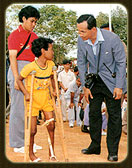
Leprosy was a disease that spread in Thailand after World War II. In 1955, 1956, and 1958, the Ministry of Public Health launched campaigns to control and eliminate leprosy from the country. This disease is one that some people may not even be familiar with.

His Majesty traveled to inaugurate the Rajaprajanugroh Institute building and also inspected the institute’s laboratory animals.
On January 16, 1958, His Majesty King Rama IX laid the foundation stone for the Rajaprajanugroh Institute at Phum Saming Phrai Fort, Phra Pradaeng District, Samut Prakan Province. He visited amidst leprosy patients who had severe deformities, including missing fingers, toes, and collapsed noses. At that time, leprosy was widespread in northeastern Thailand due to the harsh, arid conditions that made life extremely difficult, especially for children and young women who had completed secondary school but lost fingers or, in some cases, suffered unrepaired nasal collapse. Later, His Majesty supported the production of the BCG vaccine to help prevent tuberculosis, which also provided protection against leprosy, leading to a gradual eradication of the disease. His benevolence transformed society; the previous images of leprosy beggars forming groups across cities, showing pus-filled fingers, and approaching people or traveling to annual fairs are no longer seen today.
At that time, the Director-General of the Department of Health, Dr. Sawat Daengsawang, reported that the leprosy project would take 12 years. His Majesty remarked that this was too slow and asked if the process could be expedited. Dr. Sawat responded that it could be shortened to 8 years if the King would graciously provide a dedicated institute for leprosy research and staff training. King Rama IX agreed. Initially, there were just over 200,000 baht remaining from the Ananda Mahidol Fund, but as construction progressed, the total expenditure rose to 1,200,000 baht, which His Majesty generously provided in full.
In 1958, His Majesty King Rama IX traveled to lay the foundation stone for the Rajaprajanugroh Institute building in Phra Pradaeng District, Samut Prakan Province. He traveled by boat, as it was not possible to use the royal car at that time. Local residents of Phra Pradaeng were initially reluctant to allow leprosy patients to pass through their area, even at Wat Klang Suan, which was adjacent to the Phra Pradaeng leprosy hospital. However, upon learning that His Majesty would come to inaugurate the institute in 1960, the temple arranged a road suitable for the royal car, leading directly to the institute. From then on, doctors, hospital staff, and patients were able to enjoy greater convenience thanks to the King’s benevolence.
Regarding leprosy, some people supported the King’s visits while others were concerned about the risk of infection from pus, saliva, or coughing and sneezing by the patients. Yet His Majesty still visited, understanding that those suffering from leprosy were already facing their karmic fate. He offered emotional support and encouragement, inspiring them to fight the disease and pursue treatment. The government also established leprosy settlements. For example, sweet oranges came from the leprosy settlement at Praeng Kha Yang, Chanthaburi, where recovered patients cultivated them. Initially, people refused to eat the oranges if they knew their origin, but consuming them was safe. Today, those from Praeng Kha Yang have become prosperous.

At that time, children with leprosy were separated from their parents and sent to the Central Children’s Health Station in Nonthaburi. Concerned for their education, His Majesty ordered the establishment of Rajaprajanugroh School in Phra Pradaeng, still operating today. Only children free of infection, specifically those of leprosy patients, were admitted to reduce stigma. Back then, the term “leprosy patient” was far more feared and stigmatized than “AIDS patient” today, according to Ministry of Public Health statistics.
In the past, there were 50 leprosy patients per 10,000 people. Today, according to Dr. Thira Ramasut, a leprosy expert, the number of treated leprosy patients who are no longer contagious has decreased to just 0.9 per 10,000 people. This indicates that Thailand has effectively controlled leprosy.
Regarding cholera, outbreaks occurred in 1958 and 1961, overwhelming vaccine production and causing shortages of saline bottles, intravenous equipment, and sterilizing ovens for saline bottles. When King Rama IX learned of this, he encouraged the public to participate in merit-making to help purchase these essential medical tools. At first, vaccination and treatment were difficult because the public did not understand. Therefore, His Majesty graciously had doctors administer vaccines to him first as an example for the people.
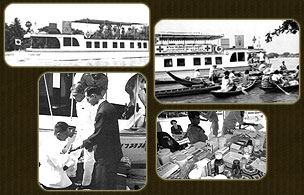
Cholera was also eradicated through His Majesty’s benevolence. Remaining funds from the cholera control project were granted to the Army Science Department and the Department of Medical Sciences, Ministry of Public Health, to procure equipment for producing medicines and to publish materials on cholera prevention for public distribution. In 1959, His Majesty also donated a motorboat named “Vejpahn.”
Mobile medical units were fully equipped to travel along rivers and canals to provide care, and whenever possible, His Majesty would visit these units as they moved to serve different areas. The Sawapha Red Cross Foundation, recognizing the need, requested royal funding to expand blood services, as at that time blood was bought and sold—some people sold their blood as a profession, or blood had to be taken from prisoners. The trade caused suffering, and foreign blood was believed to be superior and expensive, creating further inequality. Upon being informed, King Rama IX advised the Red Cross to establish a National Blood Donation Committee. Her Majesty the Queen Mother also presented pins to donors for their 7th, 20th, and even 50th donations.
In 1961, His Majesty noted the large number of patients with neurological and brain disorders who would become disabled without proper treatment. He donated proceeds from private film screenings during visits to the Republic of Vietnam, the Republic of Indonesia, and the Union of Burma, as well as additional contributions totaling 712,807 baht 70 satang, to the Ministry of Public Health for the construction of a Neurology Research Building at Phyathai Hospital. He laid the foundation stone on July 21 and officially opened Phyathai Hospital in February 1962.
Mom Luang Thawisan Ladawan described on November 18, 1986, at Chulalongkorn University:
“…Royal projects were generally aimed at solving urgent problems in areas where the public could not wait, addressing truly necessary issues. His Majesty’s approach was clear: apply psychology, act quickly, and focus on immediate solutions for the people. This is evident in the Royal Medical and Royal Doctor Projects, which began in 1965…
Whenever His Majesty visited communities, he appointed volunteer doctors specialized in various fields from different hospitals to accompany him closely, fully equipped with medical supplies and instruments, ready to treat patients on-site as temporary medical units. Any sick individuals were accepted under royal patronage, and those seriously ill were assisted by local authorities to be transferred to hospitals as advised by doctors.”
His Majesty provided sufficient funds for travel, and patients did not have to pay for any medical treatment. Staff would record patients’ histories and symptoms to track their treatment progress, ensuring that no one was neglected and that care continued until full recovery. Whenever His Majesty visited temples, which served as community centers in rural Thailand, he would also provide medicine boxes for monks to use in case of illness and to help distribute treatment to sick villagers.
Similarly, whenever His Majesty visited military, police, or volunteer units in remote areas, he graciously provided necessary supplies, including medicines for use in the villages, and also distributed them to local residents as needed. This fostered mutual understanding and cooperation between the officials and the people in those communities.
Thus, during his visits to the people, whenever His Majesty observed that communities in remote areas faced public health problems due to inadequate medical care, King Rama IX graciously ordered the establishment of mobile medical units, as detailed in the book King Rama IX and Development Work (Special Committee for Coordinating Royal Projects, 1988: 161–165).
Mobile Medical Units
Although public health services have expanded rapidly over the past twenty years—including treatment, nursing, disease prevention, and health promotion—rural communities still lack basic healthcare services compared to major urban areas.

Royal Provision of Essential Supplies to the People
It can be seen that mortality rates from preventable diseases, maternal mortality, and child malnutrition remain high. When considering the ratio of doctors to population, the public health challenges become even more evident.
In Bangkok, there is one doctor for every 998 people. In contrast, in the Northeast, North, and South regions, one doctor must serve 26,128, 12,942, and 14,643 people, respectively. These figures clearly reflect the quality of life and access to healthcare for rural populations.
Royal Initiative for the Royal Medical Units
During his visits to the people, King Rama IX observed that many lacked basic healthcare. The Royal Medical Units project was established in 1967. On one occasion, when King Rama IX and Her Majesty the Queen Mother stayed at Klai Kangwon Palace in Hua Hin, he graciously ordered medical staff, equipment, and medicines to be provided free of charge to treat and care for people in remote areas of Phetchaburi, Ratchaburi, and Prachuap Khiri Khan provinces, where government medical units had not yet reached. He also noted widespread dental and oral health problems and therefore established the Royal Dental Unit, which included dentists, dental hygienists, and a large vehicle equipped with a dental chair and complete instruments to provide dental care alongside the mobile medical units.
Later, as the royal visits expanded to other areas, the scope of the medical projects grew significantly, which can be classified into two main types of work:

Royal Dental Unit
1. Medical Treatment Provided by the Royal Medical Team, which can be divided as follows:
1.1 The Royal Physicians and accompanying medical team, led by the King’s personal physician, travel with His Majesty to examine and treat villagers during royal visits.
1.2 The Royal Medical Unit of the Royal Medical Department, Office of the Royal Household, and supporting staff.
1.3 Physicians appointed according to the King’s wishes, consisting of volunteer doctors from various specialties and agencies, both central and regional. They accompany His Majesty to work alongside other medical teams and local hospital staff in the provinces visited, such as Sakon Nakhon Hospital, Narathiwat Hospital, and Kawila Camp Hospital in Chiang Mai. This group of physicians, appointed according to royal intention, is the largest and most diverse, representing numerous medical specialties.
- 1.3.1 Volunteer surgeons from the Royal College of Surgeons of Thailand
- 1.3.2 Volunteer surgeons from Phra Mongkutklao Hospital
- 1.3.3 Volunteer surgeons from Siriraj Hospital
- 1.3.4 Physicians specializing in ear, nose, throat, and allergy
- 1.3.5 Mobile dental unit from the Army Medical Department
- 1.3.6 Ophthalmologists
The Royal Medical Team was organized to work in various locations as follows:
At the provincial hospitals near the royal residences, including Sakon Nakhon Hospital, Narathiwat Hospital, and Kawila Camp Hospital in Chiang Mai.
At medical check-up sites near Phu Phan Royal Residence and Thaksin Royal Residence.
Traveling with His Majesty to provide medical care directly in villages.
Patients treated in these settings received the necessary and appropriate care. If a patient required hospitalization, His Majesty graciously extended royal patronage, allowing them to receive treatment at provincial hospitals or hospitals in Bangkok, based on the attending physician’s diagnosis and the severity of the illness. The Queen’s Royal Household Secretariat oversaw these arrangements.
Patients admitted to provincial hospitals near the royal residences were periodically visited and monitored by staff from the Queen’s Royal Household Secretariat until discharge. Administrative responsibilities—including hospital admission, follow-up, and returning patients to their homes—were managed by the Secretariat.
Royal patronage extended beyond the patients themselves to their families. For example, if a patient needed treatment in Bangkok and had dependents such as elderly parents or young children, the Secretariat arranged care for them, either by providing financial support or assigning staff to visit and report on their well-being. In cases where patients were unable to care for their children due to poverty, disability, or death, the children were granted access to education under royal support.
2. In addition to the Royal Medical Units providing treatment during royal visits, King Rama IX was concerned that villagers in remote areas would have no one to care for them after his departure. Therefore, he initiated the selection of volunteer villagers from various communities to receive training in the Village Health Volunteer Program, beginning in Chiang Mai Province in 1982. The purpose was for trained villagers to bring their knowledge back to help their local communities. The training focused on basic public health, such as first aid, simple preventive medicine, nutrition (especially for mothers and children), and communication with government healthcare personnel, from health stations to district and provincial hospitals. Support staff came from various civilian and military agencies, including administrative and medical departments. Training was conducted at provincial hospitals near the royal residences, namely Sakon Nakhon Hospital, Narathiwat Hospital, and Kawila Camp Hospital in Chiang Mai.

Village Health Volunteer Service Units
The two types of work described above cover approximately 10 provinces in the Upper North: Chiang Mai, Chiang Rai, Mae Hong Son, Phayao, Lamphun, Lampang, Phrae, Nan, Uttaradit, and Phitsanulok; 8 provinces in the Northeast: Sakon Nakhon, Nakhon Phanom, Udon Thani, Nong Khai, Mukdahan, Maha Sarakham, Kalasin, and Loei; and 4 provinces in the South: Narathiwat, Yala, Pattani, and Songkhla.
It can be seen that the Royal Medical Unit Project, comprising treatment by the Royal Medical Team and training of Village Health Volunteers, helps address the health problems of people living in remote areas where conventional systems cannot provide adequate care. This is especially important for the majority of villagers who are poor and lack knowledge of self-care. The presence of the Royal Medical Team ensures that patients receive proper treatment without financial burden.
Training Village Health Volunteers provides villagers with knowledge of disease prevention, modern nursing practices, and how to coordinate with government agencies when cases exceed their capacity to manage. This contributes to long-term solutions. In summary, the Royal Medical Unit Project addresses problems in the following ways:
Health: Directly alleviates illness and disability for thousands of people each year. Nearly all beneficiaries of the mobile Royal Medical Units are rural, poor farmers—the majority of the population. Each year, many villagers from all regions receive royal care, whether admitted to hospitals, seeking medical examinations, or treated by mobile medical units visiting various villages, numbering tens of thousands to hundreds of thousands.
Economy: Illness among villagers affects their ability to work, particularly for farmers requiring physical strength. Proper treatment restores their health, enabling them to work effectively, which in turn improves the overall economy of the community.
Social and psychological well-being: Patients who are relieved from suffering experience improved happiness and mental health. Those with disabilities or impairments receive care that allows them to participate in society. Good physical health promotes mental well-being, enhancing quality of life and fostering positive social interactions and community engagement.
Health problems are not confined to rural areas; even Bangkok, the capital of Thailand, faced similar issues. Police Major General Suchart Phueksakon wrote in an article about the compassionate and benevolent work of His Majesty the King (html://www.dabos.or.th/ro17.html : 28/11/44) as follows:
“… I had the opportunity to visit a clinic called the Development Medical Center, located on Rama IX Road. This clinic has been providing services to the public since 1988 but was not widely known at that time … In 1988, His Majesty the King was concerned about wastewater, which was increasingly causing pollution and making canals such as Khlong Saen Saeb, Khlong Lat Phrao, and Khlong Plabpla unusable … His Majesty thus initiated a plan to address the wastewater problem by digging ponds to remove polluted water from Khlong Lat Phrao and treat it to become clean water … Furthermore, upon learning of the health difficulties faced by residents in this area—who could not travel conveniently to hospitals or clinics when sick—His Majesty conceived the idea of having specialists from all medical fields, who were serving at Chitralada Royal Villa and available during their off-duty hours, go out to provide medical care to residents of Khlong Lat Phrao, Khlong Plabpla, and nearby communities. Therefore, His Majesty graciously ordered the construction of a clinic on this land, using entirely his personal funds to build the facility and equip it with the most modern medical instruments. The clinic was named the “Development Medical Center” and has served the public since 1990.
This center has specialists, most of whom are His Majesty’s personal physicians in various fields. Locally, the services are commonly referred to as general examinations, eye, ear, and nose surgeries, childbirth, pediatric care, dentistry, and physical therapy, among others.”

The Development Medical Center
The center is located at No. 159 Pradit Manutham Road (parallel road to the Ram Inthra Expressway), Wang Thonglang District, Bangkok 10310, Tel: 3190903-9. It is open daily without any holidays. Although managed in a private-sector style, the services are provided on a non-profit basis, allowing for prompt and efficient care.
In summary, the Development Medical Center represents another expression of His Majesty King Rama IX’s compassion. It is fully equipped with specialists in various fields and modern medical instruments. Located in Bangkok with convenient access, it serves as a medical facility where people from all walks of life can receive care at any time.
In addition, His Majesty King Rama IX observed that many people suffered from iodine deficiency, leading to goiter or cretinism, which significantly hindered human resource development and quality of life. He therefore graciously instructed the Chaipattana Foundation, together with relevant government agencies, to study the “salt supply chain” from production to consumers and ensure that iodine was added before reaching the public, thereby effectively preventing this deficiency.

2. Royal Initiatives in Herbal Medicine
His Majesty King Bhumibol Adulyadej (Rama IX) had the royal initiative that attention should be given to Thai herbs, which have been used for a long time and passed down from ancient ancestors. He saw the need to promote the use and development of these herbs to maximize their benefits for the people, and he carried out actions that produced clear and tangible results. This is evident from the numerous royal projects related to the study, development, and conservation of herbs, including many indirectly related initiatives. Examples include the Herbal Forest Project of the Khao Hin Son Development Study Center, the Huai Sai Development Study Center, the Cinchona Mother Plant Garden Project, projects under the Royal Project Foundation, and the Queen Sirikit Botanic Garden. Among these, the project most clearly focused on herb development is the Khao Hin Son Development and Study Center in Phanom Sarakham District, Chachoengsao Province.

The Khao Hin Son Development and Study Center under the Royal Initiative
At this site, in 1980 (B.E. 2523), His Majesty King Rama IX graciously granted 15 rai of land to establish a herbal forest garden. The garden was designed to collect and cultivate various medicinal plants for academic research, to disseminate knowledge of their uses, and to serve as a learning resource for students, researchers, and the general public. On July 21, 1980, His Majesty visited the study center and planted a Bodhi tree in this herbal forest. Thus, it can be said that this herbal forest garden was truly born from His Royal Initiative. This significance is inscribed on the commemorative stone at the Khao Hin Son Herbal Forest Garden as follows:
Side 1: His Majesty King Rama IX conceived that the medicinal herbs found within the royal domain, which have been known since ancient times for their remarkable healing properties, were gradually declining due to a lack of support and systematic study. To address this, His Majesty graciously ordered the use of the Khao Hin Son area in Phanom Sarakham District, Chachoengsao Province, to establish the Khao Hin Son Herbal Forest Project.
Side 2: On Wednesday, 25 August 1982 (7th day of the waxing moon, 10th month, Year of the Dog, R.S. 201), His Majesty graciously appointed His Royal Highness Crown Prince Vajiralongkorn to lay the foundation stone and erect the commemorative inscription at the Khao Hin Son Herbal Forest Project.
Side 3: Construction began using provincial development funds of 1,000,000 baht on Monday, 1 July 1992 (5th day of the waning moon, 8th month, Year of the Goat, R.S. 210). It is wished that this herbal forest shall prosper and provide continual benefit and support to the Thai people forever.
Side 4: His Majesty intended for the site to serve as a central hub for herbal studies, providing basic education and academic research, as well as a place for observation and dissemination of knowledge. The use of herbs for food, treatment, and health maintenance can help reduce household economic burdens for the general population.
Additionally, a notice at the study center clearly outlines the philosophy and objectives of the herbal forest:
“Nowadays, public interest in using medicinal herbs has increased. The Ministry of Public Health promotes the use of herbs in basic healthcare. Universities and research institutions have conducted continuous studies on medicinal plants. The general public has also increasingly used herbal medicines and planted herbs widely. Herbal remedies are locally available and safer than conventional medicine. They can also be developed into household or community industries, promoting self-reliance in health, reducing reliance on imported pharmaceutical products, and improving the community environment.”
Associate Professor Dr. Chawnee Thongroj and colleagues commented on the royal herbal projects in the book Celebrating the 72nd Birthday of His Majesty the King: United Hearts of Srinakharinwirot University – 50 Years (1999: 49–61) as follows:
Alignment with His Majesty the King’s Social Development Philosophy
Based on the evidence presented, it can be said that the herbal projects under the royal initiative align with five key principles of His Majesty’s social development philosophy:
- Promoting self-reliance among the people
- Conserving and utilizing local resources effectively
- Preserving Thai traditional wisdom
- Practicing sufficiency economy
Developing toward modern technology
Promoting Self-Reliance Among the People
His Majesty King Rama IX had a clear intention to foster self-reliance among the people, making it a fundamental principle of the royal projects. As he stated:
“Understanding the situation of those we are helping is the most important thing. Providing them with what they need appropriately is the most effective form of assistance. Therefore, in each act of help, we must consider the needs and necessities first and understand the condition of the people we are helping, determining what kind and how much assistance is suitable. Another principle is that we help them so that they can help themselves in the future.”
Herbal projects exemplify the promotion of self-reliance from the individual level to the national level. Many herbs that have been used since ancient times can alleviate or treat certain ailments effectively and may even replace some modern medicines. Systematic production and use of herbal remedies can reduce dependence on imported pharmaceuticals.
At present, Thailand imports pharmaceuticals worth tens of billions of baht annually, which reduces dependence on foreign medicines. Promoting the cultivation of medicinal herbs is also a form of agricultural encouragement. As their use becomes more widespread, it can provide farmers with better income and self-sufficiency. Additionally, individuals who wish to grow herbs as a hobby can have natural remedies available at home, serving as a source of treatment in times of need. A clear example of this is at the Princess Srinagarindra Herb Garden at the Huai Sai Development Study Center in Cha-Am District, Phetchaburi Province. Here, a section is dedicated to studying the use of medicinal herbs for basic public health. In collaboration with the Faculty of Pharmacy, Mahidol University, herbs are cultivated according to their medicinal purposes to help people self-care before seeking medical attention—for instance, herbs for lowering blood pressure, improving digestion, stimulating appetite, or acting as diuretics.
Conservation and Utilization of Local Resources
In recent times, natural resources have been used excessively, focusing primarily on economic growth, without restoring the damaged ecosystems. His Majesty King Rama IX aimed to develop and conserve natural resources as a foundation for the country’s long-term development. He was particularly interested in nurturing and improving the condition of natural resources to maximize their productive potential. Consequently, various conservation projects were implemented, such as water conservation initiatives and the vetiver grass planting campaigns under royal projects. Among these, the herbal forest projects and botanical gardens in various locations are prime examples of conserving and utilizing local resources effectively. Planting forests restores ecological fertility, while selecting plant species with medicinal or nutritional value—and sometimes rare species—represents a method of conservation that is both ecologically and practically beneficial. This royal vision is evident and has been transmitted to Her Royal Highness Princess Maha Chakri Sirindhorn, reflected in her own statements regarding medicinal herbs.
“Medicinal herbs in Thailand are abundant, and Thai people should work together to cultivate and utilize them to their fullest benefit. For example, Rauvolfia serpentina, which is plentiful in Thailand, is currently extracted into injectable or oral medicines and then sold to Thai consumers at high prices. We should find ways to produce these ourselves, since we already have ample raw materials.”
Note: Rauvolfia serpentina (L.) Kurz – its root has sedative properties, helps with sleep, reduces fever, and lowers blood pressure by relaxing blood vessel muscles. Its active compound, reserpine, serves as a prototype for developing many modern antihypertensive drugs.
Source: Khon Kaen University Pharmacy Department (accessed 4/05/2457 BE).
Preservation of Thai Traditional Wisdom
Thailand has long used medicinal herbs for treating illnesses, which played a crucial role in allowing people in earlier times to survive, even without modern medicine. Knowledge of herbal use was accumulated over generations in the form of Thai traditional wisdom and local wisdom, with some variations across different regions. However, approximately a century ago, when Western medicine was introduced to Thailand, Thai herbal knowledge was largely neglected and overshadowed, as the use of medicinal herbs was considered outdated. Unfortunately, this led to a long period during which this knowledge ceased to develop. His Majesty King Rama IX recognized the value of Thai traditional wisdom in all aspects, including arts, culture, and craftsmanship. The Support Arts and Crafts International Centre of Thailand (SACICT), under Her Majesty Queen Sirikit, The Queen Mother, has played a key role in conserving, disseminating, and expanding this knowledge, resulting in improved income and quality of life for people in various regions.
Methods Used by His Majesty in Development: “Exploding from Within”
His Majesty King Rama IX employed a method he described as “exploding from within,” meaning that the strength of the community should first be cultivated internally before extending outward to the wider society. This approach emphasizes building resilience from within rather than introducing external development or individuals into a community that has not yet had the chance to establish itself. Such a philosophy demonstrates that His Majesty did not wish for outside influences to change or destroy the valuable existing aspects of a community, including long-accumulated local wisdom.
Regarding Thai traditional knowledge in the use of medicinal herbs, His Majesty clearly recognized its importance. Evidence of this includes his support for the systematic establishment of herbal forest gardens for academic study and broader practical benefit. He also provided guidance to relevant individuals, such as Dr. Nopparat Boonyalert, to research the treatment of cancer using Thai herbs. Furthermore, in January 1998, His Majesty personally advised a research team from the Research and Development Institute of the Government Pharmaceutical Organization, who had been granted the royal audience to report on a project treating AIDS patients with medicinal herbs at Chitralada Royal Villa.
- 1. Research must be conducted through collaboration among individuals, agencies, and organizations, as such cooperation will lead to successful outcomes that benefit the nation.
- 2. Provide support and cooperation with the Rajaprajanugroh Foundation in treating AIDS patients, their families, and orphans, following the approaches the Foundation has previously used in leprosy treatment, and collaborate with the Chitralada Royal Project in producing herbal extracts and cultivating herbal tissues used in medicinal formulations.
- 3. Herbs used for AIDS treatment need not be limited to AIDS alone; if they have properties for treating other diseases as well, it will be even better, so that they can be applied more broadly.
- 4. The exact composition of the herbs does not need to be disclosed, as public misunderstanding could cause more harm than benefit.
- 5. It is sufficient to indicate the types of herbs and their general benefits, so that the public can help preserve these plants and avoid cutting or destroying them.
- 6. In some villages where Thalassemia is prevalent, efforts should be made to educate the public and conduct research to reduce red blood cell destruction, possibly using herbs as antioxidants or developing iron-excreting medicines to extend life expectancy.
- 7. The research team should be named the “Herbal Research Team” or “Herbal Research Promotion Team,” because calling it the “AIDS Research Team” may alarm the public.
- 8. Claiming that AIDS can be completely cured could lead to reduced self-protection among the population.
- 9. Emphasize the development of herbal research, as it is part of our own traditional wisdom, while ensuring careful and economical use of resources due to limited funding.
- 10. The King grants encouragement and gratitude to the research team and bestows blessings for the successful completion of their work.
The Royal Commands show His Majesty King Bhumibol Adulyadej’s interest and wisdom regarding herbs, particularly point 9, which highlights the value of conserving Thai herbal knowledge.
Sufficiency Economy
His Majesty King Bhumibol Adulyadej had a profound and comprehensive understanding of Thailand and its people. He laid the foundations for rural development and helped citizens become self-reliant, live adequately, and enjoy freedom without overdependence on technology or the fluctuations of globalization. He analyzed that if people could rely on themselves, they would ultimately contribute to the nation as a whole. His vision for empowering citizens to sustain themselves is reflected in his statement:
“… In building roads and irrigation for the people, it is necessary to help individuals personally or develop them to be knowledgeable and healthy through education and healthcare so that local people can engage in agriculture and trade …”
In the current context of severe economic downturn, the concept of “Sufficiency Economy,” which His Majesty conceived and emphasized long ago, becomes clearer. By avoiding excessive reliance on external trends that could dominate traditional Thai thinking and lead to unstable ambitions like a bubble, such economic crises might not have occurred or would not have caused such widespread hardship. Therefore, “Sufficiency Economy” conveys an essential principle that society should adhere to.
In practice, the starting point for developing a sufficiency economy is the revitalization of local community economies. Sufficiency economy functions both as a principle and a social process, beginning with restoration and expanding sustainable agricultural networks. It develops the capacity for production and consumption at a “live adequately” level, extending to household-level processing, creating occupations and diverse technical skills, generating markets and capital accumulation, etc. Based on these community economic networks, the nation’s economy can grow steadily in terms of capital, domestic markets, and technology, which gradually develops from the country’s existing resources and knowledge, while being ready to selectively learn from the outside world.
Therefore, the royal initiative promoting herbs, starting with encouraging farmers to cultivate them, can be considered a method of revitalizing local community economies by increasing income through sustainable agriculture. Moreover, His Majesty encouraged academics to study and research the medicinal uses of herbs, allowing further development or expansion based on local and Thai traditional knowledge, which has utilized many herbs for medicinal purposes since ancient times, forming traditional Thai prescriptions. Effective herbs could then be developed and processed, from household-level industries to larger-scale industries, creating markets, accumulating capital, ensuring stability, and advancing the national economy. For those cultivating herbs at home as a hobby, many herbs could help manage minor ailments, reducing the need to visit hospitals for minor illnesses and decreasing reliance on modern medicines, which are almost entirely imported.
Development towards modern technology
The principle His Majesty used was “providing examples of success,” demonstrating that a particular initiative could be achieved. Therefore, he conceived the establishment of “Royal Development Study and Research Centers” in every region of the country, to serve as places for experimentation, research, and acquisition of modern technical knowledge. Once results are obtained, they can be promoted and disseminated for widespread use.
For the development of herb-related products, efforts have been integrated with other agricultural products and food production. Techniques such as tissue culture have been employed to increase yields without excessively consuming planting space. The promotion of other biotechnologies, such as utilizing microorganisms for production, has also been undertaken. In addition, experimental projects and research and development laboratories for food and agricultural products have been established within the Chitralada Palace grounds, where every inch of space is used to its maximum potential. Examples of herb-based products developed with technology to the point of being commercially marketable include:
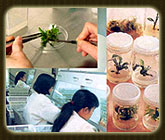
Tissue culture

Lingzhi mushroom characteristics of the upper and lower surfaces of the mushroom cap
Extracted Lingzhi mushrooms processed into canned Lingzhi mushroom drink, as well as other herbal drinks such as roselle juice. The technology applied follows the principle of being simple and not overly complicated, so that it can be implemented within the country. In particular, it should involve machinery that can be produced domestically, at a reasonable cost, and used efficiently—thus maintaining the principles of a sufficiency economy while adopting a more advanced form.
Nevertheless, His Majesty King Rama IX recognized the great importance of herbal development and had far-sighted vision in this area. He actively encouraged and supported research teams and relevant agencies to advance herbal research, as reflected in the royal address given to the researchers of the Government Pharmaceutical Organization during an audience at Chitralada Royal Villa on 27 January 1998, where He emphasized the need to focus on developing herbal research extensively. It is evident that His Majesty applied appropriate judgment in this matter, using the principles of the sufficiency economy as the foundation for development.
Approach of the Royal Initiatives on Herbs
The numerous royal projects on the study, development, and conservation of herbs can be divided into two types:
- Projects directly initiated by His Majesty:
- The Herbal Forest Project at the Khao Hin Sorn Development Study Center, which currently contains as many as 731 plant species.
- The Royal Initiative for herbal research related to cancer treatment. His Majesty expressed His concern to Dr. Nopparat Boonyalert, saying, “I am very concerned that many of my Thai people are dying from cancer.” This statement clearly reflects His Majesty’s care for the health of the people.
Due to the increasing cancer mortality rate, Dr. Nopparat conducted research and developed several herbal formulations to treat different types of cancer, which are still used for patients today. Examples of herbs used in Dr. Nopparat’s formulations include Thong Pan Chang (Rhinacanthus nasutus Lour.), Fah Talai Jone (Andrographis paniculata (Burm. F.) Nees), Pak Bung (Ipomoea aquatica Forsk), and Ya Phom Yung (Xanthium strumarium Linn.), among others.

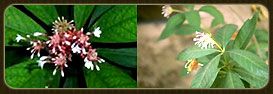
Rhinacanthus nasutus Andrographis paniculata Xanthium strumarium
Projects initiated by agencies, organizations, or groups to support the royal initiative include:
The projects under the Royal Project Foundation were established to help hill tribes gain sustainable livelihoods, addressing issues such as drug addiction and deforestation by promoting the cultivation of alternative crops instead of opium. Currently, the foundation produces various herbal products under the brand name “Doi Kham”.

The products of the Royal Project Foundation are marketed under the brand name “Doi Kham”.
The Singkona Garden at Doi Suthep, located near Phuping Palace, was designated by His Majesty the King as a site for experimental cultivation of medicinal plants. Quinine trees (Cinchona) were planted for research and propagation to benefit the public. In addition, other medicinal plants were also studied and experimented with concurrently.
The Queen Sirikit Botanic Garden, located in Mae Rim District, Chiang Mai Province, covers an area of 3,500 rai. It serves as a national center for botanical research and services, collecting plant species from both Thailand and abroad, and conserving Thai plant species, especially native trees, orchids, economically valuable plants, medicinal plants, rare species, and endangered plants. The garden also conducts propagation to increase plant quantities for future study.
The Princess Maha Chakri Sirindhorn Herbal Garden in Rayong Province was established by the Petroleum Authority of Thailand on 60 rai of land. It serves as a center for herbal knowledge, collecting plant species, producing and propagating certain herbs with verified medicinal properties. The garden is also a public space for recreation, with herbs organized into 20 categories according to their medicinal uses.
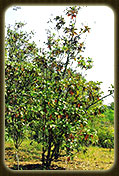
Cinchona tree (Quinine)

Queen Sirikit Botanic Garden
In addition, there are many other projects that incorporate the study and use of medicinal plants both directly and indirectly.
Among the various royal initiative projects related to medicinal plants, each established with different purposes, the objectives can generally be classified into four main approaches as follows:
- The development and conservation of plant species suitable for cultivation in Thailand, particularly rare species that may become extinct if not properly preserved and maintained under suitable environmental conditions.
The promotion of new livelihood options for the people and farmers, aimed at improving their quality of life on the foundation of self-reliance.
Medicinal plants that have been developed and promoted into important economic crops include coffee and konjac. Other herbs, both native and foreign, have also been encouraged as alternative sources of income, such as thyme (Thymus spp.), tarragon (Artemisia dracunculus), parsley (Petroselinum spp.), rue (Ruta graveolens), and spiral ginger (Costus speciosus).
Coffee is native to Ethiopia and Africa and was later introduced to tropical countries such as Indonesia, Sri Lanka, Central and South America, particularly in Brazil.
There are several coffee species, including Coffea arabica, C. liberica, and C. robusta. Coffee trees begin to bear fruit at around three years of age and can continue producing for 30 to 50 years or longer. The yield depends on factors such as species, age, soil conditions, and climate. The main components of coffee beans include caffeine (0.3–3.5%), chlorogenic acid (3–10%), and small amounts of theophylline and theobromine. His Majesty King Bhumibol Adulyadej graciously instructed the promotion of coffee cultivation among highland communities using high-quality varieties and proper management techniques. The Department of Agriculture later researched and developed a rust-resistant Arabica coffee variety known as “Baltimore,” which was subsequently expanded to various agencies and projects in the northern highlands.
Coffee production begins with harvesting ripe fresh cherries, followed by removing the outer skin. The fresh cherries may be sun-dried for 2–3 weeks before the husk is removed, or they may be processed through fermentation at 70–80°F for about three days, then washed, dried, and hulled. After the husk is removed, the beans are roasted to caramelize the sugars, reduce tannin content, and convert the fat in the beans into cafferol, which, when dissolved in water, produces the distinctive aroma and flavor of coffee.
The pharmacological effects of coffee are mainly due to caffeine, which acts as a stimulant on the central nervous system, helping the body feel energetic, alert, and less drowsy. Caffeine also affects the circulatory, digestive, and reproductive systems.
Konjac (Amorphophallus spp.) is another economically important medicinal plant. The starch extracted from its tuber is used to produce weight-loss products because it contains glucomannan, a low-calorie carbohydrate compound. In addition to its use in diet foods, glucomannan from konjac has therapeutic benefits, helping to treat and alleviate certain conditions such as hyperlipidemia and arthritis. It is also utilized in the production of skin care lotions and sustained-release tablets.

Clinical studies conducted on both healthy individuals and diabetic patients have shown that consuming glucomannan from konjac helps reduce blood sugar and insulin levels. This effect occurs because the viscosity of glucomannan slows the absorption of glucose in the digestive tract.
The collection of auspicious plant species represents an effort to preserve Thai culture and traditions while also uplifting the morale and spirit of the people. On the occasion of the 50th Anniversary of His Majesty King Bhumibol Adulyadej’s accession to the throne, the government, in collaboration with the public, initiated the Permanent Forest Plantation Project in honor of His Majesty. In this project, Her Majesty Queen Sirikit graciously bestowed auspicious plant seedlings representing each province to various government and private organizations. These included both medicinal and economic plant species.
The cultivation of medicinal plants for development into therapeutic drugs is based on traditional local wisdom passed down through generations.
According to an interview with Dr. Nopparat Boonyalert, His Majesty King Bhumibol Adulyadej expressed his vision to research and identify herbal plants with potential in cancer treatment. Academic documents have recorded more than 1,000 plant species containing anti-cancer compounds, and scientists have successfully extracted and identified hundreds of their key molecular structures.
Research has reported the presence of anti-cancer substances in several plants found in Thailand, including:
West Indian Periwinkle (Catharanthus roseus G. Don) – identified to contain six antitumor compounds: vincristine, vinblastine, leurosine, leurosidine, rovidine, and leurosivine. Vincristine, in particular, is a major drug currently used in the treatment of acute leukemia.
Lacquered Mushroom or Lingzhi (Ganoderma lucidum (Fr.) Karst.) – found to slow the progression of cancer and extend the lifespan of patients.
Murdania loriformis (Hassk.) Rolla et Kammathy, known locally as “Ya Pak King” or “Angel Grass” – contains glycosphingolipids that exhibit inhibitory effects against human colon and breast cancer cells in laboratory studies.
Tea (Camellia sinensis Ktze. (Thea sinensis Linn.)) – research has shown that tea possesses anti-cancer properties. Regular tea consumption can help reduce the incidence of cancers in various organs. However, some studies have suggested a correlation between tea consumption and the occurrence of esophageal cancer.
Job’s tears (Coix lachryma-jobi Linn.) exhibit inhibitory effects on tumor promoters and have been shown to suppress the development of cancer in laboratory mice.
Turmeric (Curcuma domestica Valeton, syn. C. longa Linn.) contains curcumin as its principal anti-cancer compound. Curcumin ointment has been found effective in treating external cancerous lesions. In addition to curcumin, studies have reported that arturmarone and β-attantone also possess anti-cancer properties.
Ginseng (Panax ginseng C.A. Meyer — Chinese or Korean ginseng; Panax quinquefolium Linn. — American ginseng) has been extensively studied and found to have anti-cancer effects against various types of cancer. Clinical studies have shown that extracts obtained using 95% alcohol, as well as saponin-rich fractions, can inhibit stomach cancer and help prevent chemically induced lung cancer.
Bitter melon (Momordica charantia Linn.) has demonstrated anti-cancer activity in both cell line and animal studies. The active compounds responsible for these effects are extracted from the ripe fruit, seeds, and unripe fruit.
Soybean (Glycine max Merr.) contains genistein, an isoflavone compound that, in laboratory tests, has been shown to inhibit the growth of human breast cancer cells, prostate cancer cells, gastric cancer cells, and leukemia cells. Additionally, saponins from soybeans have been found to inhibit the growth of human colon cancer cells.
Cabbage (Brassica oleracea Linn.) — Epidemiological data indicate that individuals who regularly consume cabbage and other cruciferous vegetables, such as cauliflower and broccoli, have a lower incidence of cancer. In contrast, those who rarely or never eat these vegetables have two to three times higher cancer rates. The cancer-preventive effects have been observed in several types, including colon, breast, and lung cancers, with some reports suggesting potential benefits against esophageal, gastric, and prostate cancers.
Garlic (Allium sativum Linn.) — Research has shown that individuals who consume little or no garlic have a higher risk of developing stomach cancer than those who consume it regularly in larger amounts. The compound diallyl disulfide found in garlic has been identified as an anti-carcinogenic agent that inhibits the conversion of nitrosamines into carcinogenic substances.
In addition, numerous other medicinal plants have been found to possess anti-cancer properties, including Centella asiatica, mangosteen, black pepper, eggplant, and roselle. (In Commemoration of His Majesty the King’s 72nd Birthday Anniversary and the 50th Anniversary of Srinakharinwirot University, November 25, 1999: 49–61)
3. His Majesty’s Conduct in the Fields of Physical Education, Health Education, and Recreation
Good health comprises several essential components, including regular exercise, adequate rest and sleep, personal and environmental hygiene, accident and disease prevention, consumption of nutritious food, and engagement in enjoyable recreational activities during leisure time or for stress relief. Altogether, these elements reflect an integrated relationship among physical education, health education, and recreation.
From His early years, His Majesty King Bhumibol Adulyadej exhibited exemplary conduct in physical education, health education, and recreation — a standard that He has continued to uphold throughout His life.
Beyond being a scholar of great intellect and broad knowledge across many disciplines, recognized both nationally and internationally, His Majesty was above all an exemplary practitioner, embodying a profound understanding of sound principles. His conduct in these areas reflected His dedication to maintaining optimal health, serving as a role model for the Thai people to appreciate the value of both physical and mental well-being. He also graciously offered guidance to the public, helping them understand and apply proper principles and methods for living a healthy and meaningful daily life.
Due to His numerous royal duties, His Majesty had to travel across the entire Kingdom of Thailand every year, visiting drought-stricken areas, remote regions, and high mountains, and at times enduring prolonged periods of rain.

At times, His Majesty worked in such challenging terrains until dusk, frequently walking long distances on foot to visit various villages. It was evident to both the Thai people and the international community that, despite His age, His Majesty maintained a strong and dignified physique, performing His duties continuously and effortlessly. Even when His face and body were soaked with rain, He never wavered in carrying out His royal responsibilities.
Instead, He applied His wisdom to carefully plan, study, analyze, and personally collect information. He did not live in comfort or leisure despite His elevated status, nor did He have the luxury of retirement from demanding work. It has been said that there was scarcely an inch of Thai soil His Majesty had not set foot upon or was unfamiliar with. He possessed a deep knowledge of information, and His Majesty emphasized that, beyond factual knowledge, imagination was crucial for anticipating future developments.
The final question His Majesty would ask when visiting the people was whether there was anything he could help with. He devoted Himself repeatedly, year after year, throughout more than fifty years of reign. This endurance was made possible by maintaining His physical fitness through regular exercise, which included walking, jogging, badminton, sailing, and rowing. In particular, His Majesty enjoyed building sailboats Himself, believing that purchasing them was too expensive. His approach to exercise and sports embodied the principles He promoted to the people: sufficiency, simplicity, self-reliance, and practicality.

On various auspicious occasions, His Majesty delivered speeches and royal guidance to help the people understand the importance, necessity, and benefits of physical exercise and sports. These remarks are recorded in His Royal Writings, Phra Mahachanok.
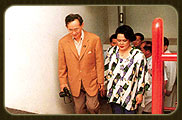
He exercised regularly and consistently, engaging in physical activity through walking.
This serves as an example reflecting the philosophy and principles of life: that everyone is born with responsibilities and must therefore be diligent, persistent, and patient in performing their duties with honesty and integrity, applying wisdom and knowledge to achieve the greatest benefit. A strong and healthy body forms the essential foundation to support these efforts. Without physical health, even with determination, intelligence, and knowledge, a lack of exercise habits and neglect in maintaining the body will inevitably affect work efficiency as well as overall quality of life.
Examples of His Majesty’s remarks regarding exercise for health are as follows:
“…The human body is naturally designed to be used, not to remain idle. If physical effort is applied appropriately and consistently, the body will develop agility, endurance, and longevity. If it is not used or insufficiently used, the body will not develop properly, gradually losing strength and deteriorating prematurely. Therefore, those who normally work without exertion or with minimal effort must find time to exercise sufficiently on a daily basis. Otherwise, it would be a great loss, as their intelligence and abilities would be underutilized, and a weakened body would not allow them to work effectively…”
(Royal Speech at the Seminar on Exercise for Health, Mahidol University, December 17, 1980)
“…Sports are widely recognized as a means to strengthen the body while also training the mind to be cheerful, to understand winning and losing, to avoid taking unfair advantage, and to forgive one another — in other words, to develop the spirit of sportsmanship. Overall, the benefits of sports encompass both physical and mental aspects. Additionally, they promote unity and harmony, which is a highly desirable objective…”
(Royal Address at the Opening Ceremony of Athletics and Student Arts and Crafts, National Stadium, December 28, 1959)
His Majesty also spoke on the necessity, importance, and principles of exercise:
“…If exercise is too little, the body and mind will weaken; if excessive, the body and mind may suffer. Systematic exercise maintains the body in strength at all times…”
Aerobic exercise, which increases the heart rate according to calculated intensity, includes activities such as walking, jogging, skipping rope, cycling, and swimming.
2. Duration: Maintain the heart rate at the target level continuously for at least 15–30 minutes per session.
3. Frequency: Perform the exercises described above at least three times per week.
Exercise following these principles helps build, maintain, and develop physical fitness, which is a fundamental component of good health.
Dr. Winij Winijchaiyak, Deputy Secretary-General of the Royal Household, recounted:
“…In 1982, His Majesty experienced a fever with complications affecting the heart. During the recovery period, the medical committee advised aerobic exercise, such as brisk walking or running, which directly benefits cardiac function. His Majesty consistently followed this recommendation, engaging in aerobic exercise that involved large muscle groups of the torso, arms, and legs in continuous rhythmic movements. This contraction and relaxation cycle enhances blood flow to the muscles, increases oxygen demand, and facilitates carbon dioxide removal, thereby stimulating the heart to beat faster, which is reflected in an elevated pulse during exercise.
To achieve comprehensive physical health, three key principles must be observed: exercise daily, apply moderate effort, and maintain activity for approximately 20–30 minutes. Simplified as FIT-F: Frequency, Intensity, and Time.
Effective aerobic exercise, equivalent to cardiovascular training, should include three phases: Warm-Up, Workout (or Endurance/Stimulus), and Cooldown.
For His Majesty, walking covered approximately 2,500 meters in about 20–22 minutes, while cycling ranged from 12–14 kilometers in 24–25 minutes, reaching speeds up to 42 kilometers per hour during the workout phase. Over more than seven years of monitoring His Majesty’s exercise routine, changes in heart rate and blood pressure corresponded to the amount of physical activity performed each session, establishing a model that can serve as a reference.
These accounts clearly demonstrate that His Majesty exercised according to universal principles with accuracy and effectiveness. As a result, His Majesty regained robust health shortly after illness. Beyond providing instruction and guidance, He also personally exemplified the exercises, serving as a direct, living model for teaching.”
On Friday, April 14, 1995, at 8:00 p.m., the Thai Television Organization broadcast, with royal permission, an interview conducted by Dr. Chao Na Siwanto, Privy Councillor, and aired private footage concerning His Majesty’s health, as follows:
- His Majesty proceeded to Dusit Palace Hall to perform His regular physical exercise.
- The Royal Physician checked His blood pressure before and after exercise.
- His Majesty began exercising by walking slowly to prepare His body, accompanied by Her Royal Highness Princess Maha Chakri Sirindhorn and Her Royal Highness Princess Chulabhorn Walailak, along with royal attendants.
- His Majesty then increased the walking speed, completing seven laps covering approximately 1 kilometer, taking 11–18 seconds per lap. Afterwards, He sat to have His blood pressure measured again.
- Royal permission was granted for the interview, and His Majesty graciously answered questions regarding His health in detail. At one point, He explained: “The heart does not receive enough blood; I must explain how the heart works.”
- A whiteboard was used to illustrate the heart and circulatory system. His Majesty explained: “…The heart is on the left. It has a pump: the red part pumps blood to the body, and the part receiving blood from the lungs carries oxygen…”
Regarding His illness, His Majesty illustrated blood circulation and explained:
“…The heart muscles must distribute blood to all parts of the body, but the arteries supplying the brain are insufficient. During exercise, this area of the heart receives less blood, and if this condition persists for about half an hour, the body becomes cold, sweating occurs, and the face pales, requiring medical attention…”
His Majesty also shared knowledge on exercise:
“…Yesterday and today, the exercise was called an Exercise Test, performed on a treadmill. Initially, I walked slowly and then increased the speed, simulating climbing a hill, which requires more effort, about 12 minutes each session. Today, the walk was almost 12 minutes, similar to yesterday. Yesterday, the pulse reached 112 and blood pressure 180, meaning that if I had walked slightly faster, the previous 170 pressure would reach 180, and a pulse of 90 would reach 100, yet without pain or discomfort as experienced before…”
The philosophy and principles of recreation aim to create a balanced way of life between one’s duties and leisure time. Humans inevitably have responsibilities that must be fulfilled for the sake of survival. Neglecting these duties can lead to laziness and a diminished quality of life. Work may bring stress and anxiety, which undermine both mind and body. The opposite of work is engaging in relaxing activities or rest. Activities intended to relieve stress must be genuinely beneficial, refreshing the body, uplifting the spirit, and providing enjoyment, cheerfulness, and vitality. If such activities are unproductive, however, they can become a double-edged sword, creating problems for oneself, family, and society. Recreation, therefore, is human behavior expressed through a wide variety of activities during leisure time. Its value brings multiple benefits to individuals, families, and society, fostering responsible, efficient citizens. Recreational activities may include sports, music, gardening, writing, painting, weaving, pottery, and more.
Following these principles, a notable exemplary figure worthy of honor is His Majesty the King. He delivered a royal address to the committee of the Music Association of Thailand under Royal Patronage, stating:
“…Music is an art form and a very broad activity. It reaches widely into the lives of ordinary people… Playing and listening to music provides entertainment, relaxes the mind, brings cheerfulness, and strengthens morale…”
Physical education, health education, and recreation are sciences that help care for, prevent, strengthen, maintain, and develop human health holistically, aiming to improve quality of life and ensure well-being throughout life. Practicing virtuous, moderate, and non-extravagant living—knowing the principles of sufficiency in existence, nutrition, adequacy, and self-reliance—through a simple, mindful, and knowledgeable lifestyle exemplifies the true spirit of His Majesty’s guidance. Such behavior not only brings personal well-being but also produces sustainable benefits for society and the nation, reflecting gratitude and reverence for His Majesty’s benevolence and following in the footsteps of the “Father of the Land.”