

His Majesty King Bhumibol Adulyadej The Great
Chapter 9: Royal Duties in the Field of Education within the Non-Formal Education System
The royal initiative projects established were comprehensive and covered a wide range of knowledge in various fields. They represented a complete form of non-formal education—providing education aimed at problem-solving, vocational studies, and the development of specialized knowledge according to the needs and interests of the people. Emphasis was placed on practical application, enabling individuals to use such knowledge in their daily lives. His Majesty stressed two main principles: first, that the educational outcomes should reach the people as quickly and as widely as possible; and second, that they must be accurate and simple enough for the people to carry out within their own limited means. His Majesty personally conducted teaching through the method of “demonstration,” providing direct guidance until the people were able to follow in His footsteps and genuinely improve their lives.
There were numerous royal initiative projects. Some of these are presented here as examples to illustrate the royal duties of His Majesty King Rama IX in educating the people. The projects that were initiated and served as models of non-formal education include:
The Royal Rainmaking Project
The Royal Project for Hill Tribe Development and related projects
Prototype projects for medium and small-scale industries, such as the Royal Factory for Processed Foods
Irrigation projects
Royal Fisheries Projects
Dairy projects – Suan Chitralada Farm, Suan Dusit Milk Powder Plant, and Suan Chitralada Milk Collection Center
Rice production projects, including the Suan Chitralada Demonstration Rice Field and the Suan Chitralada Model Rice Mill
The Phra Dabos Project and the Luk Phra Dabos Project
1. The Special Royal Rainmaking Project

“…All of you are witnesses that artificial rainmaking has revived trees which would otherwise have been lost. Therefore, it brings me great joy that you have gathered here today, that you have contributed funds to the rainmaking effort, and that you have brought produce which serves as proof of its success. This joy is manifold: first, in seeing that all of you are living in comfort and happiness; and second, in seeing that the undertaking has yielded good results, which you yourselves clearly recognize. I wish to express my gratitude to all of you for your cooperation—both the officials who have taken part in this work and are helping to bring happiness and order to the people in every respect. This brings me the greatest delight.”
“Therefore, I wish to express my gratitude to all of you, from every side, for having cooperated with the closest unity. This is the way that brings prosperity and stability to the locality, and when the locality is prosperous and stable, the nation as a whole can endure and has the means to advance—because everyone works together, everyone helps one another, and everyone openly expresses their views.
Those who listen will do so with sound reasoning. This is the way of life for the nation. This is the greatest joy: to see unity, diligence, and honesty clearly demonstrated. I am grateful to all, for having shown that Thailand has its own way of practice—it may not be called a system of governance, but rather a way of practice in life and in livelihood, from personal living to the organization of every matter with reason, with generosity toward one another, and with diligence in fulfilling duties. This is what allows Thailand to endure with happiness and with stability for all time.”
Year of Commencement
1956 (B.E. 2499)
Objective
His Majesty King Rama IX was deeply concerned for the people living in remote areas who suffered from drought, lacking both drinking water and water for cultivation. This problem was especially severe when rainfall was absent for extended periods during the rainy season, which was the main farming season, causing repeated crop failures. His Majesty therefore initiated the idea of applying artificial rainmaking techniques to alleviate the hardships of the people.
Background
In accordance with this royal initiative, His Majesty graciously appointed Mom Rajawongse Theprith Devakula of the Ministry of Agriculture to conduct research and develop effective methods of artificial rainmaking in 1956.
Implementation
Mom Rajawongse Theprith Devakula studied artificial rainmaking methods widely practiced in the United States, Australia, and the Philippines for as long as 12 years. In 1969 (B.E. 2512), the Ministry of Agriculture established an operational team consisting of officers from the Engineering Division, the Rice Department, the Agricultural Aviation Unit, and the Agricultural Relations Division of the Office of the Permanent Secretary. Mom Rajawongse Theprith Devakula served as head of the team, and the first experimental rainmaking operation was carried out in Pak Chong District, Nakhon Ratchasima Province, on July 1, 1969.
Later, His Majesty King Rama IX graciously commanded that the operations be moved to Bo Fai Airport in Hua Hin District, Prachuap Khiri Khan Province, starting from July 18, 1969. His Majesty considered this location suitable because it contained varied geographical conditions—plains, mountains, and the sea—without the risk of flooding caused by the experiments, as excess water could be quickly discharged into the sea. Furthermore, the area frequently experienced drought despite being near the coast. In addition, various government agencies were available to provide support, including the air traffic control tower and the Civil Aviation Department airport, the Meteorological Department’s weather station, the Police Department’s radio communications, and convenient road transportation for following up and observing the results of the operations.
The Rainmaking Operations Unit continued to study, experiment, and develop rainmaking methods until it successfully devised a new technique uniquely suited to Thailand’s climate conditions, differing from the methods practiced in other countries. This newly developed method was first applied in earnest to assist the people on July 26, 1971 (B.E. 2514), and operations have since been carried out continuously with highly satisfactory results.
The unit undertook rainmaking operations in various provinces, with a total of 123 travel days. Operations were conducted 16 times in different provinces, amounting to 86 operational days in total. Rain was successfully induced on 81 occasions. As a result, rice fields were saved from drought damage, with sufficient rainfall generated to sustain the growth of rice plants until natural rainfall followed. The total area benefitted was approximately 19,215,000 rai. The total expenditure for these operations amounted to 877,000 baht, averaging only 0.046 baht per rai (based on data from 1975, B.E. 2518).
Current Rainmaking Procedure
Before undertaking the procedure, the most important step is to survey and measure weather conditions both in the air and on the ground. Careful study and monitoring must be conducted on changes in relative humidity, temperature, atmospheric pressure, wind speed and direction, sky conditions, and the amount of naturally occurring clouds. These observations form the basis for deciding whether to conduct rainmaking operations in a particular area on a given day. The same procedure is generally applied, with variations only in the quantity and ratio of chemicals used. Additionally, atmospheric conditions at different altitudes must be measured, sometimes up to 10,000 feet, along with the height of cloud bases, in order to determine the proper altitude for operations. Appropriate solutions, such as saline water at suitable temperatures, are also employed.
Once these assessments and decisions are made, the rainmaking operation proceeds in the following sequence:
- 1. Cloud Formation or Stimulation
This method accelerates or stimulates natural processes by increasing the number of condensation nuclei in the atmosphere, thereby inducing cloud formation and causing existing clouds to merge more densely and rapidly. It also helps newly formed clouds and naturally occurring clouds combine into larger and thicker cloud masses. This is achieved by using aircraft to disperse fine particles of saline solution into the sky at suitable altitudes, generally between 3,000 and 8,000 feet, depending on the weather conditions observed at the time.
- 2. Cloud Enhancement and Convergence
This method accelerates the process of cloud convergence, causing clouds to merge more quickly and densely. It is carried out by dispersing dry ice, crushed into various sizes ranging from fine flakes to larger pieces about one cubic inch in size, at high altitudes just below the cloud base. The release of dry ice creates localized cold spots, which in turn form small low-pressure areas. The dispersion may be executed in circular, elliptical, or linear patterns, depending on the shape and characteristics of the target area.
- 3. Acceleration and Induction of Rainfall
When rain clouds have become sufficiently dense and saturated, covering the target area extensively, steps may be taken to accelerate rainfall and ensure that it falls over the intended location. This is done by using aircraft to disperse fine sprays of plain water or diluted saline solution with a concentration not exceeding 10 percent beneath the cloud base. The water vapor within the cloud base condenses around the droplets, enlarging them until they form raindrops. The temperature of the water or diluted saline solution used is kept slightly lower than that of the rain cloud but not below –5 degrees Celsius.
2. The Royal Project for Hill Tribe Development and Related Projects
“…The projects to assist the hill tribes are directly beneficial to them, aiming to promote and support improved living conditions. These initiatives enable the hill tribes to cultivate crops that are both useful and a source of income for themselves. One objective of such projects is humanitarian: to provide those living in remote areas with knowledge and means to sustain themselves and achieve development. Another objective addresses a major social issue, namely drug problems. By helping the hill tribes grow beneficial crops, they are encouraged to stop cultivating opium, which in turn enhances the effectiveness of policies to suppress, eradicate, and control opium production and trade.
Another important outcome is environmental protection. Hill tribes, if left without guidance, may cultivate land in ways that threaten the country’s stability, such as through improper deforestation and planting methods. By assisting them, we also help ensure the nation’s welfare, enabling better living conditions, safety, and overall prosperity for the country.”
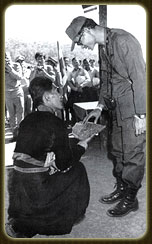
“If we can successfully implement this project, allowing the hill tribes to settle permanently, achieve adequate living standards, and support policies for forest and soil conservation, the benefits will be long-lasting. Therefore, the participation of teachers, professors, and students in this work is highly commendable. It also demonstrates that both educators and students clearly understand the objectives of agricultural development…” (Royal Speech during a visit to the Faculty of Agriculture, Chiang Mai University, January 10, 1974, B.E. 2517)
Year of Commencement
1969 (B.E. 2512)
Objectives
1.To prevent the destruction of watershed forests by hill tribe communities and to promote reforestation.
2.To encourage hill tribe communities to stop shifting cultivation and illegal opium planting, and to establish permanent settlements. This is achieved by providing plant species that have been tested and proven suitable for the local terrain and climate, as well as crops that can generate income comparable to or greater than opium.

3.To provide training for hill tribe communities in advanced agricultural principles, including animal husbandry and livestock management.
4.To conduct research and experimentation on plant and animal breeds that can be propagated and distributed to the people for cultivation and rearing to increase income, while also studying transportation and market conditions.
5.To promote education, public health, and family planning among hill tribe communities.
Background
During His annual visits to stay at Phuping Palace in Chiang Mai Province, His Majesty King Rama IX traveled to observe the hill tribe communities in various areas across the northern provinces. He witnessed the destruction of forested mountain areas caused by shifting cultivation for opium planting. This not only violated the law but also damaged watershed forests, which are the sources of important rivers, often without the cultivators fully realizing the consequences. If forest destruction could not be stopped, the resulting long-term damage would be incalculable.
Illegal opium cultivation was also a significant problem that required urgent resolution. There was criticism that the hill tribes enjoyed privileges to violate national laws, despite having entered the country illegally without citizenship or proper documentation. When authorities attempted to enforce the law through strict measures and arrests, some groups of hill tribes took up arms in resistance, claiming that they were being oppressed by the government.
Some groups were persuaded to collaborate with communist insurgents in acts that threatened national security. In addition, opium produced was smuggled abroad for processing into various narcotics, while part of it was brought back into Thailand, harming the youth and tarnishing the nation’s image. It became widely known that Thailand was among the areas in Southeast Asia where opium was cultivated, potentially giving foreign observers the impression that the Thai government was indifferent to addressing this problem.
In response, His Majesty King Rama IX conceived the Royal Project for Hill Tribe Development in 1969 (B.E. 2512) to find solutions to these issues and to help hill tribe communities understand the harms of deforestation and watershed destruction. The project encouraged the cessation of opium cultivation and the adoption of scientifically guided alternative crops, allowing the people to settle permanently and reducing the need for frequent relocation, which indirectly prevented further forest clearing.
Implementation
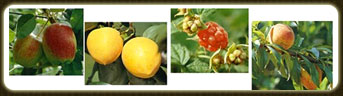
The Royal Project for Hill Tribe Development began by establishing research stations and providing training in advanced agricultural techniques. The project studied transportation and market conditions and demonstrated cultivation methods for various crops such as red beans, mung beans, upland rice, and fruit trees, including different peach varieties. It also conducted trials in animal breeding, selecting suitable species such as sheep, cattle, and pigs to be disseminated to the hill tribe communities. Villages with diverse geographical conditions were chosen as experimental sites in Chiang Mai Province, including Ban Pui in Mae Chaem District, Ban Khum in Fang District, Ban Khun Wang in San Pa Tong District, Ban Sam Muen in Chiang Dao District, and Ban Mae Tho in Hot District. These stations were staffed continuously by Thai agricultural officers and international experts to conduct experiments, research, collect data, prepare reports, and provide guidance on advanced agricultural practices to both the targeted hill tribe villages and nearby communities.
Research Activities
The research conducted at these stations included experiments with a variety of crops, categorized into upland crops, fruit trees, ornamental plants, vegetables, and medicinal plants. Most plant varieties were foreign in origin, obtained through the assistance of ambassadors from various countries who, after visiting the project and learning of its needs, contacted their home countries to provide suitable plant varieties for experimental cultivation.
Extension Activities
Extension activities include demonstrations of scientifically guided crop cultivation, composting using weeds for cost efficiency, promotion of crossbreeding between native livestock and selected foreign breeds, and encouragement of fish pond construction to provide a consistent source of protein without hunting, which protects natural resources. In addition, public health and family planning initiatives were promoted.
Training Activities
The Hill Tribe Training and Development Center in Chang Phueak Subdistrict, Mueang District, Chiang Mai Province, began training in 1974 (B.E. 2517). The center provides training in advanced agricultural techniques for various hill tribe communities. Trainees gain hands-on experience in crop and fruit tree cultivation, composting, terrace farming, livestock rearing, and fish farming, enabling them to transfer knowledge back to their communities.
Support and Collaboration
The Royal Project for Hill Tribe Development has been consistently supported by merchants and benefactors, as well as government agencies that contributed funds, equipment, tools, plant seeds, and disease-prevention materials, either through royal initiative or direct donations. Academic collaboration has also been provided by Kasetsart University, Chiang Mai University, the Royal Forest Department, and scientific research institutes. The project coordinated with the Thai-UN Drug Control Program to study opium cultivation areas in the northern region, promoting alternative crops and community development in target areas for the training centers and experimental villages.
Royal Involvement
His Majesty King Rama IX and Her Majesty the Queen Mother visited regularly during their annual stays at Phuping Palace to observe and monitor the project’s progress. They provided guidance on overcoming challenges, supplied additional plant and animal breeds to the stations, and granted necessary consumables and medical supplies to both staff and local communities.
- 2.1 Cold-Climate Fruit Cultivation Experimental Project
Year of Commencement
1965 (B.E. 2508)
Implementation
This project was carried out by Kasetsart University with support from a United Nations program to experiment with and research various cold-climate fruit species suitable for propagation and distribution to hill tribe communities at Suan Song Saen Experimental Station, Doi Buak Ha Station, the Chang Khian Hill Tribe Training and Development Center in Mueang District, and Doi Ang Khang Royal Agricultural Station in Fang District, Chiang Mai Province. The United States Department of Agriculture also provided research funding for certain cold-climate fruits such as strawberries and pyrethrum, as well as oil plants and beekeeping. Experiments were conducted on coffee and shiitake mushrooms, high-income crops, to propagate species for planting in experimental gardens and hill tribe villages according to royal objectives. In addition, the project designed and tested animal-drawn agricultural tools and established communication stations for rapid and effective coordination.
2.2 Strawberry Cultivation Promotion Project (in Lowland Areas)

Year of Commencement
1972 (B.E. 2515)
Implementation
In addition to experimenting with cold-climate fruit cultivation, which involves advanced agricultural techniques, the project also conducted trials on strawberry cultivation in lowland areas. Various strawberry varieties were tested, both imported and received as assistance from other countries, to determine which were most suitable for the local climate and terrain. Once the research yielded results, the project propagated seedlings of the most suitable varieties and sold them to farmers at low prices for planting and further propagation. Demonstrations were also provided on planting methods and other cultivation techniques for farmers to study and apply. The cultivation of strawberries proved highly profitable due to strong demand, and strawberry farmers were organized into cooperative groups to strengthen their bargaining power with traders. The project was overseen by Mom Chao Pisit Ratchanee of the Royal Project for Hill Tribe Development.
2.3 Reforestation Project
Year of Commencement
1972 (B.E. 2515)
Implementation
The Reforestation Project is one of the important and urgent initiatives of the Royal Forest Department. Its operations began in 1965 (B.E. 2508) with research and experimentation to identify suitable tree species that would provide maximum benefits. Seedlings were then propagated for planting in deforested areas that had been cleared by local communities for shifting cultivation or illegally logged for commercial sale.

Reforestation is a project with relatively limited immediate results, yet it remains necessary due to the increasing rate of deforestation each year. Reforestation requires several decades for trees to reach full maturity. Therefore, tree species trials focus on fast-growing varieties such as peach, tum tœ, rain tree, three-needled pine, and padauk. In addition, foreign species, such as walnut, have been planted experimentally for reforestation within the Royal Project for Hill Tribe Development. The Royal Forest Department cooperates in reforestation efforts to improve watershed areas and replace destroyed forests, while also encouraging hill tribes to stop cultivating opium by employing them in forest planting, providing stable occupations, income, and permanent living areas. These efforts began in 1974 (B.E. 2517).
Reforestation areas cover Mae Taeng, San Pa Tong, Hod, Mae Chaem, Chiang Dao, and Fang Districts in Chiang Mai Province, totaling 15,000 rai. Funding comes primarily from the national budget, with additional support from the United States Agency for International Development (USAID) and the U.S. Embassy.
Kasetsart University has assisted the project in several areas, such as experimenting with fruit trees that can substitute for forest trees in terms of conservation and utilization of their produce, including wild apple and wild mango. The Director-General of the Royal Forest Department, Ministry of Agriculture and Cooperatives, is responsible for overseeing the project’s implementation.
Summary
The success of the Royal Project for Hill Tribe Development and related initiatives depends on effective coordination and cooperation among the various agencies involved, both in academic and other fields. It also relies on extensive research and experimentation in highland agriculture and animal husbandry, much of which involves foreign animal breeds, requiring the collaboration of many skilled Thai and international experts. Furthermore, such research and experimentation demand sufficient time to ensure accurate and reliable data before propagating plant and animal species to local communities. If the new methods fail to produce tangible results, the communities would inevitably revert to their previous practices, including deforestation for shifting cultivation and opium cultivation.
However, based on the research and experiments conducted from the beginning, it became possible to envision ways to encourage local communities to settle permanently and cultivate alternative crops in the near future. Many of these substitute crops, such as coffee, can generate higher income for the villagers than the opium they previously cultivated. One supporting reason is that the greatest beneficiaries of opium cultivation are the buyers and distributors, not the growers themselves. Most of the alternative crops recommended for villagers are foreign varieties, which Thailand imports in large quantities each year. Therefore, if cultivation is successful and production is sufficient, the crops will fetch good prices without market problems. As a result, hill tribe communities would gradually reduce deforestation and settle more permanently, which in turn would lead to a gradual decline in opium cultivation and the destruction of watersheds. At the same time, reforestation efforts would be carried out in previously damaged areas, further improving the situation over time.
Simultaneously, it was necessary to develop these emerging permanent communities in terms of education and public health, so that eventually the economic, social, and political conditions in the region would improve. When the hill tribe populations achieved better living conditions, the Royal Project was later transformed into the Royal Project Foundation in 1992.
3. Model Project for Small- and Medium-Sized Industries (Royal Ready-to-Eat Food Factory)
It is a project that reflects the benevolence of His Majesty King Rama IX, serving as an example of fostering a sense of responsibility for national development, particularly in rural areas. The project aims at social development and improving the well-being of the people, guiding practices in the processing of agricultural products.
Year of initiation: B.E. 2515 (1972)
3.1 Implementation
The establishment of ready-to-eat food factories was a royal initiative of His Majesty King Bhumibol Adulyadej (Rama IX) to assist farmers who were at a disadvantage and faced difficulties in marketing their agricultural products. Most farmers’ cultivation areas were far from markets or industrial factories, so they often had to sell their produce through middlemen, who would significantly lower the price, especially for small-scale farmers. Middlemen would not pick up the products directly, so farmers had to transport them themselves. With the establishment of ready-to-eat food factories, farmers could sell their produce directly to the factories at fair prices, which were much higher than before, without going through middlemen. Additionally, farmers received immediate payment in cash, ensuring that the promoted agricultural products entered the market without losses.
The operations of the factories are genuinely rural development-oriented, as each site includes a factory, a second-level health station, and a child nutrition center. This provides the local community with increased employment, higher income, educational opportunities for youth, health and hygiene education, and access to medical care when needed.
As a result of these operations, broader community development followed, such as improvements in housing, roads, electricity, and water supply, bringing overall progress to the community.
Currently, there are five ready-to-eat food factories: one at Chiang Mai University and four at King Mongkut’s University of Technology Thonburi. The factories responsible for operations are:
Ready-to-Eat Food Factory, Mae Ngon Subdistrict, Fang District, Chiang Mai Province
Ready-to-Eat Food Factory, Pa Sang Subdistrict, Mae Chan District, Chiang Rai Province
Ready-to-Eat Food Factory, Tao Ngon Subdistrict, Sakon Nakhon Province
Ready-to-Eat Food Factory, Non Din Daeng Subdistrict, Lahan Sai District, Buriram Province
- 3.2 Background of the Project
The Ready-to-Eat Food Project under Royal Patronage for Hill Tribe Communities
3.2.1 Yang Village, Mae Ngon Subdistrict, Fang District, Chiang Mai Province
After 1957, the Border Patrol Police, who had close contact with the hill tribes, took the initiative to teach the Thai language to the hill tribe people. As a result, many hill tribe members were able to read and write Thai, marking the first sign that the government began to pay serious attention to and provide assistance for the hill tribes. Since then, the government has regarded hill tribe development as part of rural development policy and as a strategy for national security.
The hill tribes are spread across 21 provinces in Thailand, mostly in the northern region. Traditionally, the hill tribes cultivated opium, replanting in the same area for 2–3 years until the soil was depleted, then moving to clear new forested areas. Opium cultivation not only degraded the soil but also destroyed national forests. The practice was popular because it generated good income, and opium traders came directly to purchase the crops.
King Rama IX recognized the serious dangers posed by this practice and graciously initiated efforts to help hill tribe communities establish permanent settlements and stable livelihoods. He ordered the establishment of the Royal Project for Hill Tribe Development, separating it into highland agricultural initiatives with collaboration from Kasetsart University and Chiang Mai University. These institutions provided guidance and training for hill tribe members to cultivate alternative crops instead of opium. Initially, peaches and lychee were introduced, followed by apples, potatoes, sweet corn, red beans, tomatoes, and mint from Taiwan for menthol production. Animal husbandry, such as fish and sheep, was also encouraged, alongside the promotion of handicraft products.
One major obstacle for the hill tribes in highland agriculture was the lack of access to markets for their products, as they lived far from urban centers, and traders often dictated low prices. King Rama IX graciously ordered the establishment of hill tribe cooperatives and initiated the Ready-to-Eat Food Project to assist disadvantaged farmers in marketing their agricultural produce. With the food processing factories, farmers could sell their products at fair prices and receive immediate cash payments. Another key objective was to ensure that promoted agricultural products could enter the market without losses.
The operations were carried out with a focus on rural development. The initiative began with a local development project, which established a secondary health station and a children’s project center to promote local public health. The Food Product Research and Development Institute at Kasetsart University, then directed by Professor Amorn Phumirat, was commissioned to establish a ready-to-eat food factory in Yang Village, Mae Ngon Subdistrict, Fang District, Chiang Mai Province. The project was under the supervision of Mom Chao Piset Ratchanee, the director of the Hill Tribe Project.
The purpose of the factory was to serve as a market for purchasing agricultural products from nearby hill tribe communities. Examples of processed products from the Yang Village factory include tomato paste, preserved peaches, preserved strawberries, lychee, longan, baby corn, bamboo shoots, aquatic bamboo shoots, and soybeans, among others. The factory successfully promoted, introduced, and educated farmers about the agricultural industrial system. After several years of supporting agriculture and purchasing produce, private companies began setting up factories in the village and nearby areas, demonstrating a transition toward small-scale industrial development.
3.2.2 Pa Ha Village, Pa Sang Subdistrict, Mae Chan District, Chiang Rai Province
Around the same period as the ready-to-eat food project in Yang Village, Fang District, Mom Chao Piset Ratchanee (on behalf of the Royal Hill Tribe Development Project) supervised, and Professor Amorn Phumirat (representing the Food Product Research and Development Institute, Kasetsart University) implemented another ready-to-eat food project at Pa Ha Village, Pa Sang Subdistrict, Mae Chan District, Chiang Rai Province. This unit served as a purchasing center for agricultural products from hill tribe villages, including the Hmong, Karen, Muser, Akha, and Yao tribes, who had been encouraged to cultivate vegetables, fruits, and legumes to reduce agricultural product losses and avoid exploitation by middlemen.
King Rama IX did not only provide the ready-to-eat food factory but also established a cooperative office building for the sale of fertilizers, chemicals, consumer goods, and agricultural equipment at affordable prices. This allowed both hill tribe and local villagers to learn cooperative practices. Additionally, a children’s nutrition center was provided to ensure proper nutrition for the next generation, helping them grow into physically and mentally healthy citizens. A secondary health station was also established to give villagers guidance on hygiene and health care, prevention of illness, and access to basic medical treatment.
This project was carried out using the King’s personal funds, and through His Majesty’s great prestige, support was also received from the public, companies, and foreign governments, who contributed money, land, machinery, equipment, and buildings as royal donations.
The two factories mentioned above have served as models for the development of other Royal Ready-to-Eat Food Factories in the Northeast under similar royal initiatives.
3.2.3 Royal-Initiated Development Project, Tang Sai Subdistrict, Sakon Nakhon Province
While residing at Phu Phan Ratchaniwet Palace in Sakon Nakhon Province, His Majesty King Rama IX visited Nang Noi–Phon Pla Lo Village on November 9, 1980. Observing the villagers’ impoverished living conditions, He conceived the idea of providing assistance. Mom Chao Chakrapan Phensiri Chakrapan, a Privy Councillor, conveyed His Majesty’s intentions to Professor Amorn Phumirat on November 11, 1980. Professor Amorn then reported to Her Royal Highness Princess Maha Chakri Sirindhorn to receive the King’s directives regarding the development of Nang Noi–Phon Pla Lo Village, which included:
Improving the living conditions of the villagers.
Promoting increased income sources.
Ensuring that after the development activities, the villagers could maintain and continue to improve their living conditions independently through their own community groups.
At the start of the project, the villagers lived in extreme poverty, children suffered from malnutrition, and water was scarce. The main occupation was rice farming, and the village was surrounded by forested areas. The government classified the area as a “red zone.” During the project implementation, it was discovered that three other villages—Huai Wat, Kuan Pun, and Khok Klang—faced even more severe poverty and were threatened by the Communist Party of Thailand. Their residents earned a living by foraging forest products to exchange for rice. His Majesty graciously extended the project to include these three villages in addition to Nang Noi–Phon Pla Lo.
Social development under the project included the establishment of early childhood centers to reduce child malnutrition, the construction of health stations, the creation of rice banks, the repair and construction of temples, the digging of groundwater wells, the provision of rainwater storage tanks, and community sanitation work.
In terms of livelihood development, farmers were taught to cultivate tomatoes for industrial processing. A third Royal Ready-to-Eat Food Factory was established to produce tomato-based products. In 1985, projects began for canned baby corn and dried preserved fruits.
Long-term agricultural development also included introducing perennial fruit trees such as lychee, longan, and mango for farmers to cultivate. When successful, these initiatives could serve as the foundation for fruit orchards and subsequent canning operations.
3.2.4 Supplementary Royal-Initiated Development Project, Lahan Sai District, Buriram Province
Lahan Sai District in Buriram Province borders Cambodia. During 1978–1979, Cambodian soldiers and the Communist Party of Thailand operated in the area, resulting in severe conflicts with Thai forces. Scattered villages were burned, residents were displaced, and hundreds were forcibly taken to Cambodia. When Thai troops countered the communist activities, roads were constructed from Ta Phaya District to Lahan Sai to restore connectivity. Despite intense fighting, the Thai forces eventually regained full control of the area.
Due to these conflicts, many residents were forced to evacuate and crowd into Non Din Daeng Village, facing severe hardships. Recognizing this, His Majesty King Rama IX conceived a plan to alleviate the suffering of the people and ensure national security. The Royal initiative instructed the Department of Irrigation to survey water resources and provide residents with land for settlement and farming, while also developing their economy, social structures, religion, health, and education in an integrated approach. This large-scale effort became known as the “Royal-Initiated Development Project, Lahan Sai District, Buriram Province.” Multiple government agencies were involved. In Non Din Daeng Subdistrict alone, there were 40 villages—26 original villages and 14 newly organized villages for displaced families—whose populations were already impoverished and faced extreme hardship due to the conflict.
His Majesty King Rama IX intended to develop five model villages out of a total of 40 villages using methods similar to those applied in the Royal-Initiated Development Project at Nang Oi–Phon Pla Lai. Professor Amorn Phumirat began work in December 1981, selecting five villages for development: Sub Somboon Village, Pa Mai Cooperative Village, Khlong Hin Village, Khlong Pong Village, and Nong Samet Village.
Social development in these five villages followed a similar approach to the Sakon Nakhon project. It included child development programs to reduce malnutrition, maternal care and guidance, establishment of child centers, promotion of community sanitation, and provision of clean water.
Subsequently, the fourth Royal Ready-to-Eat Food Factory was established in 1982 to serve as a guaranteed market for agricultural products. Key products included tomatoes and canned baby corn. This factory not only purchased produce from farmers in Lahan Sai District but also promoted agricultural production for industrial purposes and procured products from Ban Kruat District in Buriram Province, as well as from Soeng Sang, Khon Buri, and Prakhum Districts in Nakhon Ratchasima Province.
3.3 Development Goals and Project Products
The operations of the Royal Project for Ready-to-Eat Food Factories aim to promote development by increasing villagers’ incomes and maintaining their living standards for sustainable progress. Farmers’ additional income comes from cultivating crops for agro-industrial purposes and supplementing rice cultivation. The project provides academic support and essential production inputs, such as seeds, fertilizers, and pesticides, giving farmers credit at the beginning of the growing season, along with guaranteed purchase prices. Examples of promoted crops and major products are as follows:
a. Tomatoes
Tomato seedlings are usually started around October, with harvests sent to the factories from mid-January to April. For factories in the northeastern region, the season is slightly later than in the north. Nearly all tomatoes are processed into tomato paste for the canned fish and tomato sauce industries. Additionally, tomato juice, peeled tomatoes, and tomato powder are produced. Tomato cultivation helps supplement farmers’ incomes during the off-season of rice cultivation (winter and summer).
b. Baby Corn
Baby corn is planted during the rainy season, from June to November. Each crop cycle lasts about six weeks, allowing 5–6 harvests throughout the rainy season. Baby corn is canned in brine and exported to international markets, including Europe and the United States. Cultivating baby corn helps supplement farmers’ incomes between rice-growing seasons.
c. Fruit and Agricultural Products
Most are canned fruits from northern region factories, such as longan, lychee, and strawberries. In the northeastern region, dried preserved papaya (sweetened papaya) is produced. Products under development include canned peaches, loquat, macadamia nuts, and canned potatoes. These crops are studied under the Highland Agricultural Project. In the northeastern Royal Development Projects, longan, lychee, mango, and bamboo shoots are promoted, which, if successful, could lead to canned fruit production in that region.
d. Soybean Products
The Mae Chan Ready-to-Eat Food Factory houses Thailand’s first full-fat soy flour production line. The soy flour is sold domestically and internationally. Key soybean products include infant nutritional foods, soy milk, textured vegetable protein, and snacks for children.
3.4 Royal Ready-to-Eat Food Factories and King Mongkut’s University of Technology Thonburi (Presently King Mongkut’s University of Technology Thonburi)
In 1982, when Professor Amorn Phumirat was graciously appointed to serve as the project director of the Royal Ready-to-Eat Food Factory, King Mongkut’s Institute of Technology invited and appointed him as Assistant President for Special Affairs. Since then, the institute began providing academic support for the Royal Ready-to-Eat Food Factory project. The project office, responsible for coordinating the management of all four factories and handling marketing, was relocated to the institute in 1984.
In 1985, Dr. Sakrin Phumirat, a faculty member of the institute, was graciously appointed to succeed Professor Amorn as project director. Moreover, the Prime Minister, in his capacity as Chairman of the Special Committee for Coordinating the Project under the Royal Initiative, appointed institute faculty members to serve on the management board and the working committee of the Royal Ready-to-Eat Food Factory.
Thus, the institute has been actively involved in the Royal Ready-to-Eat Food Factory project, both in response to the Royal Initiative and by government appointment.
The developmental goal of the project is to help farmers produce crops within an agro-industrial system. The operations focus primarily on raising the standard and supporting farmers, giving this aspect greater priority than the processing steps of agricultural products, which is the typical approach in industrial agriculture. The Royal Ready-to-Eat Food Factory is not merely a place to purchase raw materials and labor like conventional industrial factories; it must also be an integral part of the community, engaging in social development activities to meet the community’s needs.
Improving farmers’ quality of life and production efficiency not only lays a solid foundation for the country’s economic development but also contributes to national stability and the future of all Thai people.
“… Rural development is important, it is difficult, and it must be carried out with ability — intelligence, skill, and sincerity. The rural population, the general population, or the people as a whole are the nation. Therefore, we must act to ensure the nation — that is, the people in general — have stability, so that we may all live well …” – Royal Speech
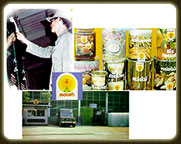
It can be seen that the Royal Ready-to-Eat Food Factory project is a royal initiative operating in the field of marketing and post-harvest technology research. The project encompasses research and operations in vegetable and fruit post-harvest handling, transportation, grading, packaging, and processing into various products, as well as market research. Agricultural products from farmers are sold under the brand name “Doi Kham.”
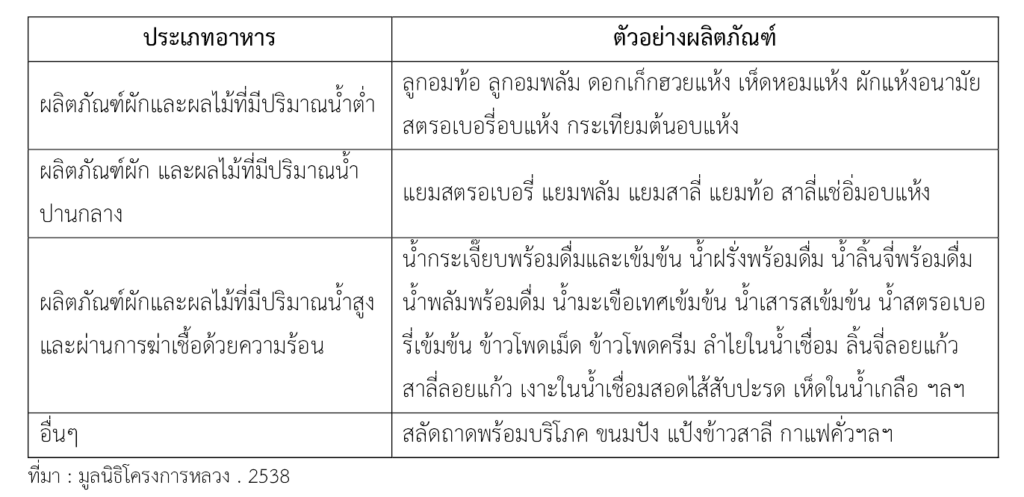
The agricultural products sold through the marketing division of the Royal Project Foundation are valued at no less than 50 million baht per year, while the Royal Ready-to-Eat Food Factory generates approximately 100 million baht annually. Examples of processed food products from the Royal Project Foundation are presented in the accompanying table. The Royal Ready-to-Eat Food Factory serves to process agricultural produce from farmers within the foundation in both the northern and northeastern regions of Thailand.
His Majesty King Rama IX provided the initial funding of approximately 300,000 baht to establish the first factory (Royal Ready-to-Eat Food Factory in Fang District, Chiang Mai Province). Although all the Royal Ready-to-Eat Food Factories are small-scale, they focus on developing product quality to meet international standards, such as implementing the ISO 9002 quality assurance system in the factories.
Table: “Doi Kham” Processed Food Products
4.Irrigation Projects
Water is a crucial factor for all living beings, especially humans, animals, and plants. Without sufficient water, agricultural productivity cannot be increased, and there will be a shortage of water for consumption. Water cannot be used as a means of transportation either. Conversely, when there is an excess of water—such as during heavy rainfall, flooding, or seawater intrusion—problems arise, leading to economic difficulties and impacts on human livelihoods.
Causes of Water Shortage
Although several projects have been implemented to develop water sources in the Chao Phraya River Basin, water shortages still occur during the dry season. This is due to various contributing factors, which include:
During the past four years (1989–1992), a drought occurred. In the northern region above Bhumibol and Sirikit Dams, as well as in the central region within the Chao Phraya Basin, the total annual rainfall was approximately 15% below the average, with a total annual rainfall of about 1,100 millimeters.
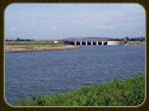
As a result, the water in the reservoirs of Bhumibol and Sirikit Dams was lower than in previous years. However, during the drought crisis in 1992, farmers still required substantial water for off-season rice cultivation. The government decided to release water from both dams to prevent damage to the rice crops, nearly depleting the reservoirs.
The drought caused a reduction in the water inflow in the Chao Phraya Basin. The inflow to Bhumibol and Sirikit Reservoirs decreased over a 20-year period from approximately 10,360 million cubic meters to about 7,000 million cubic meters (70%). Meanwhile, the average runoff in the Chao Phraya River at Nakhon Sawan province declined from about 22,200 million cubic meters to around 16,700 million cubic meters (76%) over the same period.
At the same time, water demand in the basin increased due to agricultural use, domestic consumption, industrial needs, and other activities throughout the Chao Phraya irrigation project area. In contrast, the available water from Bhumibol and Sirikit Reservoirs for release decreased. Nevertheless, the water requirements in the Chao Phraya Basin are for several important purposes, including:
To push back saline water at the mouths of the Chao Phraya and Tha Chin Rivers, approximately 2,550 million cubic meters of water per year are required. For the production of tap water by the Metropolitan Waterworks Authority in Bangkok and its vicinity, about 1,300 million cubic meters per year are needed, which is expected to increase to 1,920 million cubic meters per year from 2000 onward. For agriculture as well as household consumption, approximately 4,000 million cubic meters are needed annually during the rainy season, and 4,000–6,000 million cubic meters during the dry season. Overall, annual water demand ranges from 11,850 to 13,850 million cubic meters, not including future increases due to population growth and economic development.
The Chao Phraya River basin still lacks sufficient water storage, as there are only two large reservoirs: the Bhumibol and Sirikit Dams. Although the annual rainfall in the basin is enormous, around 22,000 million cubic meters, only about 12,000 million cubic meters can be captured and utilized during the rainy season. The remaining 10,000 million cubic meters flows through rivers and canals into the sea, representing a significant loss.
Solution approach: The past water shortages in the Chao Phraya River basin, although not severe, cannot predict future severity. If left unaddressed until a critical point is reached, the resulting damage would be incalculable. Therefore, it is essential to take action promptly, which can be divided into two approaches.
Immediate emergency measures: Conduct campaigns to conserve water for all users and activities, raising awareness of the water shortage in the Chao Phraya River basin and promoting efficient and responsible water use.
Short-term measures: Support cloud seeding to increase water levels in the Bhumibol and Sirikit reservoirs during periods of insufficient rainfall, depending on atmospheric moisture conditions. Another method is to develop on-farm water sources, encouraging farmers to drill shallow wells and construct farm ponds for broad agricultural use.
Long-term measures to address water shortages and ensure sufficient water supply in the future include promoting shallow groundwater development by farmers, dredging shallow ponds, canals, and marshes across various areas, and constructing on-farm reservoirs. For government action, large-scale storage dams are planned on tributaries, such as the Sakae Krang Reservoir, Kaeng Suea Ten Reservoir, Pasak Reservoir, and Kwae Noi Reservoir. All these projects are currently under feasibility and environmental impact studies.
Additionally, there are projects to divert water from nearby river basins to the Chao Phraya Basin, which are also under study. These include diversion from the Mae Klong River, Bang Pakong River, and international rivers, such as the Kok-In-Nan diversion and diversions from tributaries of the Salawin River.
The current measures to solve water shortages are primarily planning stages. Implementation will require time and cooperation from all stakeholders who recognize the importance of the issue and are willing to help ensure these plans are executed effectively. The goal is to prevent severe losses that would impact the population during future water crises.
Therefore, it is necessary to implement water control or storage for the following purposes:
To supply water for consumption
For irrigation, cultivation, and fisheries
To prevent flooding and mitigate flood damage
For transportation and tourism
To generate hydroelectric power
Water storage can be achieved through several methods:
Constructing storage dams
Constructing weirs
Constructing reservoirs
The term “dam,” according to the international definition, refers to a structure built across a stream or river to control the flow of water in the stream or river.
Dams can be classified according to their water storage characteristics, their intended use, and the type of materials used for construction. The details are as follows.
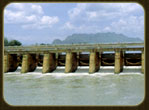
1.1 Dams classified by water storage characteristics can be divided into two types:
1.1.1 Flow-through dams are built across rivers to raise the water level upstream, allowing water to be diverted or discharged into canals for irrigation and navigation purposes. Examples include the Chao Phraya Dam in Sapphaya District, Chai Nat Province, and the Vajiralongkorn Dam in Kanchanaburi Province. These dams have expanded agricultural areas by no less than 1 million rai and have increased cultivable land across at least 17 provinces.
1.1.2 Storage dams are constructed across tributaries or streams flowing through narrow mountain passes, creating a large reservoir with extensive area upstream. These dams are used for irrigation, agriculture, hydroelectric power generation, fisheries, and transportation. Unlike flow-through dams, storage dams do not have sluice gates. Examples include Bhumibol Dam in Sam Ngao District, Tak Province; Ubolratana Dam in Khon Kaen Province; Kaeng Krachan Dam in Phetchaburi Province; Sirikit Dam in Tha Pla District, Uttaradit Province; Kiu Lom Dam in Mueang District, Lampang Province; Krasiao Dam in Dan Chang District, Suphan Buri Province; Thap Salao Dam in Lan Sak District, Uthai Thani Province; Mae Kuang Dam in Doi Saket District, Chiang Mai Province; and Mae Ngat Somboon Chon Dam in Mae Taeng District, Chiang Mai Province.
1.2 Dams classified by function are divided into 5 types:
1.2.1 Diversion Dam – A dam built to divert water into canals and distribute water for various uses.
1.2.2 Navigation Dam – A dam built to raise the water level to facilitate navigation.
1.2.3 Power Dam – A dam built to raise the water level for generating hydroelectric power.
1.2.4 Storage Dam – A dam built to store water for irrigation, domestic water supply, flood control, and recreational purposes.
1.2.5 Multi-purpose Dam – A dam constructed for two or more purposes. Most major dams in Thailand are multi-purpose dams.
1.3 Dams classified by construction material are divided into 2 types: concrete dams and earth dams.
1.3.1 Concrete Dam – Divided into 2 subtypes:
Gravity Dam – Uses its own weight to resist water pressure, preventing overturning and movement. These dams are very massive and can withstand strong water pressure. Example: Kiew Lom Dam, Lampang Province.
Arch Dam – Uses a curved structure to resist water pressure and transfer the load to the abutments on both sides of the arch. These dams do not need to be as massive as gravity dams. Example: Bhumibol Dam, Tak Province.
1.3.2 Earth Dam – A dam constructed using clay as the core material. The base of the dam is very wide to support the full weight of the structure. Example: Sirikit Dam, Uttaradit Province. The dam has a base width of 630 meters, a height from the water level to the crest of 113.6 meters, a length of 800 meters, and a crest width of 12 meters.
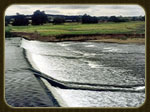
2. Weir – A weir is a barrier constructed across a natural watercourse or an excavated canal to allow excess water, beyond the required amount, to overflow safely without damaging the structure. Important weirs include Mae Lao Weir, Mae Tang Weir, Sinthukit Preecha Weir in Chiang Mai Province, Chon Khan Phinit Weir in Lamphun Province, Sam Oang Weir in Lampang Province, and Yom River Weir in Phrae Province.
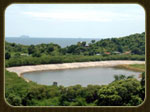
3. Reservoir – A reservoir is a small water storage area created by constructing an embankment across a depression or hollow. Important reservoirs include Pho Khun Ramkhamhaeng Maharaj Reservoir in Sukhothai Province, Huai Sithon Reservoir in Kalasin Province, Huai Sap Lek Reservoir in Lopburi Province, and Prince of Songkla University Reservoir in Songkhla Province.
Royal Projects Benefiting the People: Examples
Northern Region:
Ban Mai Rom Yen Project, Rom Yen Subdistrict, Chiang Kham District, Chiang Rai Province – This is a weir-type project aimed at developing hill-tribe villages that fled from insurgent attacks. His Majesty the King graciously ordered its repair and completion on September 30, 1973. The project can supply water for 3,000 rai of farmland during the rainy season and approximately 1,000 rai during the dry season.
Nong Hoi Project, Pong Yaeng Subdistrict, Mae Rim District, Chiang Mai Province – This is also a weir-type project. His Majesty the King visited the Hmong hill-tribe people and graciously ordered the construction of the weir, completed on August 31, 1973. It can supply water for 600 rai during the rainy season and 200 rai during the dry season.
Other northern projects include Chang Dien Project in Mae Rim District, Chiang Mai, Doi Ang Khang Project, Mon Pin Subdistrict, Fang District, Chiang Mai, and Ban Mae Sa Mai Project, Pong Yaeng Subdistrict, Mae Rim District, Chiang Mai.
These northern royal projects are small-scale, low-cost, but highly beneficial, earning widespread appreciation among the people.
Western Region:
Hub Kraphong Water Pumping Project, Cha-am District, Phetchaburi Province – This project aims to supply water for cultivation at the Rural Development Center. Construction began in 1964 and was completed in 1974.
2. Ban Nong Hiang Reservoir Project, Hua Hin District, Prachuap Khiri Khan Province – This project was designed to supply water for mulberry cultivation for silkworm farming under the “Somdet Mulberry-Silkworm Project.” It provides approximately 140,000 cubic meters of water and was completed in 1975.
In the western region, there are several other projects under the royal initiative that continue to be implemented, such as the Doi Khun Huai Weir Project and the Huai Pong Thalu Reservoir Project in Cha-am District, Phetchaburi Province, the Tham Kai Lon Reservoir Project in Hua Hin District, Prachuap Khiri Khan Province, and the Chom Bueng Project in Chom Bueng District, Ratchaburi Province, among others.
Southern region:
Prubu Bacho Water Drainage Project, Bacho District, Narathiwat Province – On August 18, 1974, His Majesty the King personally visited the local people and, upon learning that they had suffered flood damage for no less than two years, commanded urgent relief measures. The project was completed within the same year, allowing approximately 59,000 rai of farmland to be cultivated that season. The local population is predominantly Thai Muslims.
Munoh Irrigation Project, Narathiwat Province – His Majesty the King commanded the implementation of an irrigation project to drain water, alleviate flooding, prevent saltwater intrusion, improve soil, and support livestock farming in the districts of Su-ngai Kolok and Tak Bai, Narathiwat Province. The project is divided into two phases: Phase 1, called the Munoh Project, covers approximately 100,000 rai in Su-ngai Kolok and Tak Bai Districts; Phase 2, called the Pratu Taeng Swamp and Land Development Project, covers approximately 200,000 rai.
The dams, weirs, and reservoirs constructed under the royal projects or initiatives represent the boundless royal benevolence extended to the people throughout all regions of the country.
The royal-initiated projects assigned to the Royal Irrigation Department and currently under implementation in 1993 are prioritized as the most important projects in each region of Thailand as follows.
Central Region – The Royal Project for the Development of Rainfed Agricultural Areas at Wat Mongkhon Chai, Mueang District, Saraburi Province, was implemented in an area where most local people rely primarily on rainwater for farming. The irregular rainfall often caused water shortages for cultivation, especially during the dry season. To enable year-round farming despite limited water resources, the project introduced a system in which each household had its own water source, such as a farm pond. The land was divided on average into plots of approximately 15 rai, further subdivided into three sections at proportions of 60%, 30%, and 10%. The first section was used for cultivation, including rice in the rainy season for household consumption and drought-tolerant field crops in the dry season, as well as orchards. The second section was allocated for constructing farm ponds with a capacity of approximately 10,000 cubic meters each. The third section was designated for housing, roads, and other facilities.
This model was tested in the Integrated Development Project of the Ping River Tributary Basin, under the Royal Initiative in Chom Thong District, Chiang Mai Province, and on a 10-rai area donated by local residents in Khum Kao Subdistrict, Khao Wong District, Kalasin Province. These areas served as demonstration sites for further improvement and replication in other agricultural areas.
Northern Region – The Royal Project for the Development of the Khun Mae Kuang Forest Area in Doi Saket District, Chiang Mai Province, covers an area of approximately 30,000 rai, from the northern boundary of the Huai Hong Khrai Development Study Center to the Mae Kuang Reservoir. Reservoirs were constructed near Salapangsak Village and other suitable locations to provide water for allocated plots where residents could relocate and farm together in a permanent settlement. The forested areas in the upstream watershed were also developed for ecological restoration. Small reservoirs and weirs were built to provide moisture for the forested areas.
The development of the Khun Mae Kuang Forest Area followed the successful methodology of the Huai Hong Khrai Study Center. In 1993, the Royal Irrigation Department began constructing two small reservoirs, Salapangsak Village Reservoirs 1 and 2, and 60 weirs along the upstream tributaries.
Northeastern Region – The Royal Project for the Development of the Kam River Basin in Sakon Nakhon and Nakhon Phanom Provinces was initiated to alleviate the hardships of residents living along both sides of the Kam River. During the rainy season, when the Mekong River level rises, water in the Kam River cannot flow into the Mekong, causing floods that damage farmland along both banks. Conversely, during the dry season, when the Mekong River level is low, the Kam River drains completely into the Mekong, leaving very little water for irrigation and domestic use. This causes water shortages for agriculture and household consumption. The project plan is divided into two phases.
Phase 1 – This phase includes the construction of five control structures along the Kam River and a reservoir to store water from the upper stream. It also involves dredging and improving approximately 200 natural ponds and water bodies, as well as improving sections of the river channel.
Phase 2 – After completing Phase 1, work continues with the improvement of the Kam River channel by straightening meandering sections, constructing embankments along both sides with control structures, and digging canals along the riverbanks. Additional water control structures are built to help regulate water flow during the flood season.
Southern Region – The Royal Project for the Development of the Pak Phanang River Basin in Nakhon Si Thammarat Province addresses flooding and saltwater intrusion. The basin covers areas in Cha-uat, Hua Sai, Chian Yai, and Pak Phanang Districts. The western part of the basin consists of high mountain ranges, followed by foothills, and then flat plains extending eastward to the sea. During the rainy season, water floods the plains, causing damage to farmland. In the dry season, the Pak Phanang River has low water levels, and seawater intrudes upstream along the river and its tributaries for about 80 kilometers, causing hardships for local residents.
To address these issues, the Royal Irrigation Department planned the Pak Phanang River Basin Development Project, which includes a detailed feasibility study of the entire basin, preparation of a feasibility report, an environmental impact assessment, and the formulation of measures to prevent and mitigate environmental impacts.
The design and construction of the Pak Phanang Barrage: The Royal Irrigation Department was expediting the collection of topographic survey data, pedological and geological data, and hydrological data in order to prepare the terms of reference for hiring an engineering consulting firm to complete the detailed design by 1994, so that construction could proceed thereafter.
The construction projects for reservoirs, diversion weirs, and other works under the Pak Phanang Basin Development Project were to be considered for implementation as appropriate, with the project period scheduled between 1995 and 1999.
5.The Royal Fisheries Project
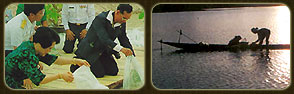
“… Fisheries resources must be properly regulated. The importance does not lie in releasing quality fingerlings or raising fish to grow well. What matters is that, once fish are released into nature, whether they reproduce or not is another matter, but they can still grow naturally and be utilized. The problem lies in the management of fishing, not in fish farming. As for fish farming, various fisheries stations are already doing it. What must be done is to manage fishing in such a way that the people truly benefit …”
(Royal speech granted to the executive committee and staff of the Huai Hong Khrai Development Study Center under Royal Initiative, at the Center Project, Doi Saket District, Chiang Mai Province, on 3 February 1984)
Year of Project Commencement
1952
Objective
His Majesty King Rama IX recognized that freshwater fish had long been a staple food for the Thai people since ancient times. However, the number of fish found in nature was steadily declining and could not keep pace with the rapidly increasing population, while most people were still unaware of the importance of conserving fish species. His Majesty therefore graciously granted permission for the Department of Fisheries to use ponds within the Chitralada Villa compound for breeding fish, in order to distribute the offspring to the public. The fish species cultivated included both native Thai species and foreign species, all of which were easy to raise and capable of thriving in every region of the country.
Background and Implementation
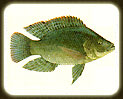
Tilapia
In 1952, His Majesty graciously granted permission for the Department of Fisheries, Ministry of Agriculture and Cooperatives, to raise the tilapia species, which had been obtained from the Fisheries Department of Penang in 1949, in the fish ponds within the Chitralada Villa compound. Tilapia is a fish that is easy to raise, grows quickly, breeds rapidly, has good flavor, and contains few bones. His Majesty King Rama IX therefore had the initiative to bestow the species upon the people. Accordingly, he graciously allowed village headmen and subdistrict chiefs from across the kingdom to receive tilapia bred from the Chitralada ponds on 7 November 1953.

After tilapia had become naturalized in all regions of Thailand, Crown Prince Akihito of Japan presented 50 Nile tilapia to His Majesty King Rama IX on 25 March 1965. At first, His Majesty graciously permitted the fish to be kept in cement ponds within the Chitralada Villa compound in Dusit Palace. Later, he graciously ordered them to be transferred to an earthen pond of about 10 square meters.

After being raised for over five months, a large number of fry were produced. His Majesty therefore graciously ordered officials of the Royal Grounds to dig six new ponds, each with an area of about 70 square meters. On that occasion, His Majesty himself transferred the fish from the original pond into the six new ponds on 1 September 1965, and assigned the Department of Fisheries to dispatch technical officers regularly each month to monitor their growth and provide technical guidance.
After being raised for nearly one year, on 17 March 1966 His Majesty graciously bestowed 10,000 fingerlings, each measuring 2–5 centimeters in length, upon the Department of Fisheries for breeding and propagation at the Experimental and Breeding Division in Kaset Klang, Bangkhen, Bangkok, as well as at fisheries stations throughout the kingdom. On this occasion, His Majesty also bestowed the name of this species as “Pla Nil” (Nile tilapia).
The Department of Fisheries successfully propagated a large number of Nile tilapia and distributed them to the people for cultivation in accordance with the royal initiative. Since 17 August 1967, millions of fish have been distributed annually up to the present.
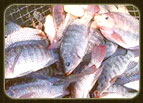
With special royal interest and benevolence, His Majesty King Rama IX also graciously instructed the Department of Fisheries to distribute Nile tilapia bred in the six original ponds, along with two additional new ponds at Chitralada Villa, Dusit Palace, to the people according to their needs every month. Nevertheless, this was still insufficient to meet the growing interest and demand from the public for fish cultivation.
Acknowledging this, His Majesty graciously ordered the excavation of one more large pond within Chitralada Villa, marking it as the ninth pond, in order to accelerate the production of Nile tilapia to meet public demand. On 7 December 1969, His Majesty personally released 300 parent Nile tilapia into the new pond.
At present, sixteen fisheries stations across the kingdom are able to breed and propagate over ten million Nile tilapia annually. Even private fish farmers can produce large numbers of this species themselves in every region of the country. In some water bodies, Nile tilapia have become so abundant that they are widely known, such as in Kwan Phayao. This is because Nile tilapia resemble the common Thai tilapia in appearance, have delicious flesh similar to the popular sea bass, grow quickly, and reach a desirable size—not too large or too small. The largest recorded individual weighed over seven kilograms.
In addition to the aforementioned qualities, Nile tilapia are prolific, hardy, easy to feed, and omnivorous, consuming both plant and animal matter. This includes lower plants as well as higher plants, such as algae, both fresh and decomposed, and plankton, which are tiny organisms floating in water.
Furthermore, during floods in southern Thailand, the Department of Fisheries distributed Nile tilapia from the royal stock to assist affected communities, providing fish for release into ponds in various provinces according to local demand, totaling hundreds of thousands of fish.
The Department of Fisheries also sent 500,000 Nile tilapia to assist Pakistan under a hunger relief project, following a request from the United Nations International Children’s Emergency Fund (UNICEF) through the Food and Agriculture Organization (FAO). The goal was for these fish to grow and reproduce, providing significant benefits to the people of Pakistan. Reports indicate that the project has been successful in achieving its objectives.
Given these outstanding results, the Department of Fisheries has developed plans to produce sufficient Nile tilapia to meet demand and to support the public in breeding and raising fish successfully. At the same time, academic research has been conducted, yielding various beneficial outcomes, such as artificial breeding to conserve native species at risk of extinction. These include giant catfish, Mekong catfish (found only in the Mekong River), rohu, white sea bass, freshwater prawn, and black tiger shrimp, among others.
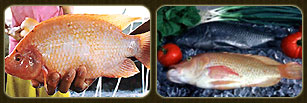
Red tilapia
In 1968, researchers discovered the seventh-generation hybrid of two fish species, resulting from a mutant cross between red tilapia and Nile tilapia. The hybrid had a red color, delicious taste, preferred brackish water, and grew quickly. On 22 January 1989, His Majesty King Rama IX graciously named this fish “Pla Thapthim” (Ruby Fish), which has since become another highly popular species among the public.
His Majesty King Rama IX also encouraged experimental and research activities in fisheries at various Royal Development Study Centers, including the Kung Kraben Bay Development Study Center in Prachinburi Province, the Huai Hong Khrai Development Study Center in Chiang Mai Province, the Phu Phan Development Study Center in Sakon Nakhon Province, and the Pikun Thong Development Study Center in Narathiwat Province, among others. His Majesty emphasized the study and development of practical fisheries knowledge—not high-level academic theory, but scientific knowledge that could be applied locally and practically. This approach connected research with the livelihoods of farmers, enabling ordinary citizens with limited knowledge to benefit and participate effectively, as expressed in His Majesty’s guidance on this matter.
“… Fisheries development should be carried out in accordance with the characteristics of the terrain, by enhancing natural water sources such as streams and ponds to serve as fish breeding areas, and by promoting the public’s ability to utilize these water sources for both fishing and growing vegetables around the ponds. This is because constructing new ponds often faces problems of water scarcity, or in the case of flooding, the fish will all escape …”
Project Responsible Authority: Director-General of the Department of Fisheries, Ministry of Agriculture and Cooperatives
6.Dairy Production Project
6.1 Chitralada Dairy Farm Project
Year of Project Commencement
1962
Objective
To promote and disseminate dairy cow raising by demonstrating farm operations as a model for farmers, in a manner that they can apply within their own households.
To conduct research on new scientific approaches in dairy farming and disseminate the knowledge to dairy farmers, in order to improve methods for greater accuracy and effectiveness.

Background
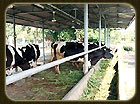
In 1962, government agencies, companies, and private individuals respectfully donated six cows of various breeds, sexes, and ages. His Majesty the King graciously provided funds to construct a dairy barn within the Chitralada Villa compound, totaling 32,886.73 baht. Among the initial six cows, four were pregnant, and they later gave birth and began milk production. The milk remaining after feeding the calves was initially sold only to the palace staff within Chitralada Villa.
As milk production increased, sales were expanded beyond the compound. Between 1963 and 1969, various companies, associations, and private individuals, both domestic and international, respectfully donated a total of 17 cows of different breeds and ages.
Operations
In 1962, a refrigerator was purchased on installment for 8,157.00 baht to store fresh milk collected in the evening. For sales, the milk was bottled, sealed with waxed paper and rubber bands, and sold within the Chitralada Villa compound, generating total annual revenue of 35,346.50 baht.
In 1963, the dairy barn was expanded at a cost of 9,930.00 baht, and one Phaya Naga water pump was purchased for 4,500.00 baht. For sales, milk delivery by bicycle began along two routes: Sukhumvit Road and Phaholyothin Road, generating total annual revenue of 39,445.00 baht.
In 1964, one fresh milk machine was purchased for 900.00 baht, and two crossbred cows were acquired for 9,500.00 baht. For sales, milk packaging was changed from bottles sealed with waxed paper and rubber bands to bottles sealed with cardboard stamped with the Chitralada Dairy Farm logo, generating total annual revenue of 28,755.00 baht.
In 1965, milk delivery along Sukhumvit Road switched from bicycles to motorcycles due to an increase in subscribers, generating total annual revenue of 58,327.50 baht.
In 1966, a new dairy barn was constructed and the milk storage room expanded at a cost of 69,000.00 baht. Bottle caps were changed from cardboard to plastic, and milk delivery along Phaholyothin Road switched from bicycles to motorcycles, generating total annual revenue of 69,547.50 baht.
In 1967, total annual revenue from fresh milk sales amounted to 94,320.00 baht.
In 1968, a glass room was constructed for 3,107.00 baht, and one plastic bag sealing machine was purchased for 1,450.00 baht to package fresh milk in plastic bags instead of bottles. This reduced costs, saved time, and improved the quality and purity of the milk. Total revenue for the year was 120,761.00 baht.
In 1969, an additional plastic bag sealing machine was purchased for 1,450.00 baht, generating total annual revenue of 136,345.00 baht.
In 1970, the dairy barn was expanded at a cost of 91,887.00 baht. A 40-cubic-foot refrigerator was purchased for 18,000.00 baht, two bag sealing machines for 2,900.00 baht, and two ceiling fans for 800.00 baht. Total annual revenue from sales was 196,747.00 baht.
In 1971, a pasteurization machine was installed for 30,231.00 baht to ensure milk cleanliness according to international standards, generating total annual revenue of 202,450.00 baht.
In 1973, a milk cooling machine was purchased for 9,600.00 baht, the milk packaging room air conditioning repaired for 3,700.00 baht, and the tractor for transporting grass repaired for 6,254.40 baht. A homogenizer was borrowed from the Engineering Division, Ministry of Agriculture and Cooperatives, to produce milk that met international cleanliness standards and suited consumer taste. Total revenue from sales was 199,871.75 baht.
In 1974, the dairy barn was further expanded for 38,587.00 baht, a vehicle was repaired for 2,298.00 baht, the ground beside the barn was raised by approximately 50 centimeters, and the barn’s wastewater drainage system was improved. Total revenue from sales for 1974 amounted to 240,828.00 baht.
Note
Expenses for salaries, water, and electricity are not included in the operating costs of Chitralada Dairy Farm, which serves as a research and experimental station for dairy farming in Thailand. For this reason, the farm has strived to use resources as efficiently as possible to maximize revenue, which serves as funding for research and experimentation.
Grass and Compound Feed
Most of the grass plots are planted with the “Mauritius” variety. Initially, irrigation was attempted using a sprinkler system, but it was ineffective due to extreme heat and rapid evaporation. The farm then experimented with a flood irrigation system similar to that used for rice paddies. This proved successful, producing sufficient grass for feeding cows throughout the year. Currently, there are ten grass plots under this flood irrigation system, covering approximately 20 rai. During the rainy season, any excess fresh grass is dried for feeding at night and provided during the dry season when fresh grass is scarce. In 1973, Chitralada Dairy Farm limited the number of cows to balance the herd with the 20-rai grass area and the barn capacity. Dried grass is now offered as an additional evening feed, improving digestion and keeping the cows healthy and robust.
As for compound feed, the farm is still in the experimental phase to determine the most suitable formula. The Department of Livestock Development provides the feed and regularly adjusts the formula.
Chitralada Dairy Farm has received considerable support and assistance from the Department of Livestock Development in various aspects.
Provide care and treatment for sick cows, including administering vaccines to prevent various diseases.
Test, monitor, and certify each cow to ensure they are free from tuberculosis, contagious abortion, and other diseases that could be transmitted to humans.
Conduct artificial insemination of cows according to schedule, using semen from suitable bulls and monitoring reproductive health, so that cows become pregnant, give birth, and produce milk to replace cows in the dry period, maintaining a consistent rotation.
Prepare and mix feed according to improved research-based formulas and provide it on schedule.
Monthly testing of bacterial counts and butterfat content in milk samples from lactating cows to identify defects and ensure the milk remains clean, pure, and up to standard.
Separate male calves for raising, selecting and preparing them to become royal breeding bulls to help disseminate improved dairy breeds more widely.
The operations of Chitralada Dairy Farm and other royal projects within Chitralada Villa are open to farmers, private organizations, and government agencies for observation during office hours, serving as an educational resource for those interested.
Project Responsible Authority: Mr. Kaewkwan Watcharothai, Finance Division, Bureau of the Royal Household
6.2 Dusit Powdered Milk Plant Project
“… This factory will serve as a model and operate as an example for farmers and anyone interested in milk production in Thailand. It is the first factory of its kind in the country, and it is a source of pride that Thais designed and built it. Let this factory be regarded as a model: anyone who wants knowledge, or wishes to run a successful and progressive dairy business that benefits themselves and the national economy, may visit and observe at any time. If there are any problems or ideas, they are encouraged to share them. Sometimes, someone may come up with an idea that benefits the public, which we may not have considered, contributing collectively to the advancement of Thailand’s dairy industry …”
Year of Project Commencement
1969

Objective
To serve as a model factory for dairy farmers nationwide to observe and learn modern methods of powdered milk production. The construction and equipment installation costs are low enough to allow farmers to replicate the system themselves. Members can pool resources to invest in building their own facilities to produce powdered milk for sale, especially when fresh milk production exceeds the market’s capacity. Powdered milk produced in this way can be stored for at least six months.
In addition to producing powdered milk, the factory equipment can also be used to produce powdered eggs, unsweetened condensed milk, sweetened condensed milk, and certain types of fruit powders, such as banana powder.
Background
His Majesty King Rama IX, aware of the difficulties faced by fresh milk producers when surplus milk could not be sold, graciously approved assistance by establishing a modern small-scale powdered milk factory. He provided an experimental fund of 140,000.00 baht, combined with 200,000.00 baht from the monthly revenue of the dairy farm deposited in the bank, plus interest of 14,000.00 baht.
His Majesty appointed Mom Ratchawong Theparit Thevakul, an expert in agricultural engineering, to design the powdered milk factory. Construction and equipment installation were carried out by the Agricultural Engineering Division. The facility was built as a fire-resistant steel-framed building comprising four rooms: an evaporated milk tank room with a hot air furnace and air compressor; a milk spraying room; a quality control room equipped with devices to test fresh milk and powdered milk; a powdered milk packaging room with machines to fill plastic bags and cans, seal bags, and compress cans; and a storage room for powdered milk awaiting sale.
Powdered Milk Production Process
The process of converting fresh milk into powdered milk begins by filling milk into an evaporation tank. The inner tank is equipped with an agitator to prevent milk separation, while the outer tank is surrounded by hot water at 60 degrees Celsius to warm the milk to the same temperature. The milk is then pumped from the evaporation tank to the milk spray nozzle, where it is atomized into fine droplets and sprayed into a five-meter-high spray tower. As the milk droplets descend, they encounter an updraft of hot air from the bottom of the tower, which evaporates the moisture, producing fully dried powdered milk at the bottom of the tank. This method ensures the milk powder is produced in a hygienic and sanitary manner.

Milk Packaging and Distribution
In 1969, both plain and sweetened powdered milk were packaged in plastic bags for sale at 5.00 baht for a large bag and 1.00 baht for a small bag.
In 1970, powdered milk began to be packaged in cans and sold at 22.00 baht per can.
In 1973, due to rising prices of fresh milk and milk cans, Dusit Powdered Milk Plant increased the price of powdered milk to 25.00 baht per can, while plastic bag prices remained the same. In the same year, new products were introduced to the market: fat-free plain and sweetened powdered milk at 25.00 baht per can and 5.00 baht per bag, Dusit cream at 5.00 baht per bag, and fat-free fresh milk at 2.00 baht per bag.
In 1974, prices of fresh milk, canned milk, and equipment such as butter churners, can ovens, scales, and thermometers rose significantly. Consequently, Dusit Powdered Milk Plant increased the price of powdered milk to 28.00 baht per can, while the price for powdered milk in plastic bags remained unchanged. Fresh butter was also introduced, packaged in square plastic boxes and sold at 12.00 baht per box.
At present, Dusit Powdered Milk Plant has expanded its operations to produce powdered milk, cream, fresh milk, and butter for sale through cooperatives and various supermarkets. Additionally, “milk residues” or “milk lumps” that remain in different parts of the spray tanks, which are of comparable quality to powdered milk, are sold at low prices for consumption or for feeding calves, dogs, and cats. The plant is regularly open for farmers and interested individuals to observe its operations, attracting visitors from all regions several times a year.
Project Responsible Authority: Mr. Kaewkwan Watcharothai, Finance Division, Bureau of the Royal Household
6.3 Chitralada Milk Collection Center Project
Year of Project Commencement
1973
Objective
To purchase milk from dairy cooperatives and distribute it to Dusit Powdered Milk Plant and Chitralada Dairy Farm. The profits generated are used to subsidize operations within the Royal Project.
Background
In June 1973, the Royal Project established a new operation called the “Chitralada Fresh Milk Collection Center.” Funds for the center were allocated from the revenue of fresh milk sales, which had previously been included in Dusit Powdered Milk Plant’s operations. An initial capital of 100,000.00 baht was set aside, along with 200,125.65 baht from Chitralada Dairy Farm (since it began collecting fresh milk from member farmers in 1970), totaling 300,125.65 baht for operational capital.
Operations
In 1974, the Chitralada Milk Collection Center carried out its planned activities, including procuring a cream separator for Dusit Powdered Milk Plant. The order was placed through the Royal Secretariat to purchase, in the Royal Name, from Switzerland. The separator could process up to 2,000 liters of fresh milk per hour.
After separating the cream from fresh milk, the center began producing fresh butter for sale, initially at the annual Red Cross Fair in 1974 at Suan Amporn. The fresh butter attracted significant interest, requiring increased production, which led to the old, small butter churn breaking down.
In 1975, a larger butter churn capable of processing 15–20 liters of cream at a time was purchased, significantly increasing butter production speed. The powdered milk packaging room was temporarily used as a laboratory, and a new extension was built with white-tiled brick walls. Air conditioning was borrowed from the Royal Film Processing Room of the Royal Guard Division.
Next Steps for the Center
Procure pasteurizers and homogenizers for Chitralada Dairy Farm.
Construct permanent cold storage rooms for fresh milk and factory products such as cream and fresh milk.
Project Responsible Authority: Mr. Kaewkwan Watcharothai, Finance Division, Bureau of the Royal Household
7. Rice Production Projects
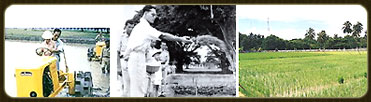
7.1 Chitralada Demonstration Rice Field Project
“… I have had the opportunity to study and experiment with rice cultivation, and I am well aware that it is a challenging endeavor. Good rice varieties and proper techniques are essential to achieve successful results. Furthermore, after the rice harvest, other crops should be planted, as this can generate additional income, improve soil texture, and increase organic matter, making the soil more suitable for the next rice-growing season. On this occasion, I ask all of you to listen carefully to the lectures and fully understand the new agricultural knowledge, as the government is ready to support you. You will then be able to apply this knowledge to improve the rice cultivation of your group members for better results…” (Royal Address to the leaders of farmer groups during the 3rd National Farmers’ Group Leaders’ Assembly in Chiang Mai, 19 March 1965)
Year of Project Commencement
1961
Objectives
In addition to collecting rice seeds for royal use in the Royal Ploughing Ceremony, which is conducted to bring prosperity to crops and to uplift the morale of farmers, who constitute the majority of the nation’s population, the project also serves as a demonstration of rice cultivation. By applying different amounts of organic and chemical fertilizers, it provides farmers who visit the site with practical examples and scientific principles that they can apply to their own fields.
Background
In 1960, His Majesty King Bhumibol Adulyadej graciously revived the Royal Ploughing Ceremony, which had been suspended since 1936. The King recognized it as a ceremony that blesses crops and strengthens the morale of farmers. Following the Royal Ploughing Ceremony in 1961, His Majesty graciously commanded that the rice variety “Nang Mon,” graciously presented by the Ministry of Agriculture and Cooperatives, be planted in the Chitralada Garden. Part of the harvested seeds would be used in the Royal Ploughing Ceremony in the following year, while the remainder would be distributed to provinces across the country to provide blessings to the people in accordance with the King’s intention.
Implementation
To fulfill this royal initiative, demonstration rice fields have been continuously established in Chitralada Garden. Both transplanted and broadcast rice cultivation methods are demonstrated, using organic compost, manure, and chemical fertilizers to enhance soil fertility and plant growth. In addition, upland rice cultivation is demonstrated using soil brought from various provinces in all four regions of the country. This serves to promote and disseminate upland rice cultivation, helping to address rice shortages by utilizing idle land after the rainy season, as well as slopes and hillside areas, to maximize land productivity.
During His Majesty King Bhumibol Adulyadej’s visits to rural regions, the King would provide guidance and royal directives to experiment with upland rice cultivation for household consumption. His Majesty graciously provided upland rice seeds on a regular basis, such as those given to members of the Agricultural Cooperative in the Self-Development Settlement, Prachuap Khiri Khan Province, in 1974, which yielded highly satisfactory results.
Recognizing the benefits, the provincial authorities of Prachuap Khiri Khan established a project to promote upland rice cultivation. The initiative aimed to encourage self-sufficiency among farmers and alleviate hardships for those living in remote areas who would otherwise incur high costs traveling to towns to purchase rice during the dry season. Demonstration plots were set up, technical guidance was provided, and results were closely monitored.
This project was implemented in response to the King’s directive to support farmer development and to enable government agencies to contribute to national advancement.
Project Responsible Officer: Mr. Kaewkwan Watcharotai, Treasury Division, Bureau of the Royal Household
7.2 Demonstration Rice Mill Project at Suan Chitralada
Year the Project Started
1971
Objectives
To study and gather information on the best methods for storing and milling rice.
To promote direct contact between rice farmers and consumers, eliminating middlemen, by operating through cooperative groups.
To purchase paddy rice at the beginning of the harvest season, ensuring farmers have a market for their produce and maintaining a steady supply of paddy for milling throughout the year.
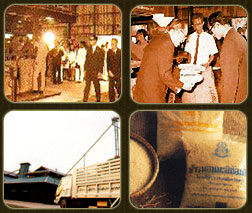
Background
His Majesty King Bhumibol Adulyadej (Rama IX) was concerned about the living conditions of rice farmers. He recognized that most farmers were perpetually in debt because they sold their paddy at low prices but had to purchase rice and other necessities at high prices. His Majesty therefore conceived that this issue could be addressed by encouraging farmers to form cooperative groups. These cooperatives could either mill their own paddy or assign representatives to do so on their behalf, instead of relying on others to mill or selling their paddy at low prices and then buying rice for consumption. Moreover, establishing close contact between operators and producers would further benefit the farmers.
Farmers were expected to earn higher profits. The Chitralada Model Rice Mill therefore commenced operations and began milling rice on 8 May 1971, with His Majesty the King presiding over the opening ceremony. On the same day the following year, His Majesty also inaugurated a granary capable of holding 500 carts of paddy, graciously commissioning it to be built as a wooden structure based on the design of the Department of Cooperative Promotion and Commercial Affairs.
Operations
The activities of the Chitralada Model Rice Mill have gradually progressed, focusing more on research and study than on commercial operations. This includes studying the relationships among moisture content, temperature, percentage of broken rice before milling, and various milling methods to determine their effects on the quality of both paddy and polished rice, especially when stored for extended periods.
Rice Milling Equipment and Process Development
The Chitralada Model Rice Mill received support from the Rice Department, Ministry of Agriculture, which sent officials to supervise construction and milling operations from the very beginning. Additionally, generous donors contributed various rice milling machines, such as the stone-mill type from Sri Sawan Factory, electric rice husking machines, and the “Pin Kaew” rice mill from the Rice Milling Industry Company. While these machines have long been in use, the mill has continuously conducted research to develop more efficient milling methods. This included experimenting with centrifugal milling systems to compare their performance with traditional stone mills. Successful results are intended to be shared with the rice milling industry to help reduce milling costs nationwide.
Paddy Procurement
By mid-1973, the Chitralada Model Rice Mill received support from Chachoengsao Province, where the governor arranged for paddy to be purchased directly from local farmers. Subsequently, the mill also sought to procure paddy directly from farmers in other provinces, including Bangkok, Chachoengsao, Ayutthaya, Saraburi, Nakhon Pathom, and Nonthaburi.
Experiments on Paddy Storage
Since rice is a product prone to loss—due to rain seeping into the granary, as well as birds, rodents, and insects—improving granaries and storage methods is crucial and should be developed alongside efforts to increase production.
His Majesty the King envisioned experiments on storing paddy in various types of granaries to determine the most effective methods with minimal loss. At present, the Chitralada Model Rice Mill uses several types of granaries, including:
Cement Granary – Donated by the Building Materials Trading Company, two cement granaries were constructed, each capable of storing about 6 carts of paddy. The Applied Science Research Institute used the same design to construct granaries at Bangkhen and Chai Nat. After storing paddy for two years, it was found that the rice remained unharmed with no water accumulation at the base, and the germination rate of the stored paddy remained high.
Steel Granary – Designed and constructed by Mom Rajawongse Theparit Thevakul, two steel granaries were built, each with six ventilation chimneys and a storage capacity of about 18 carts of paddy. This type of granary has three main advantages: paddy can be discharged from the bottom, effectively preventing birds, rodents, and insects, and it allows continuous air circulation.
Wooden Granary – Supervised and constructed under the royal initiative by Mom Chao Prasertsri Chayangkura, this granary has a capacity of 500 carts of paddy. Originally designed by the Department of Commerce and Finance, it was modified under royal guidance, particularly regarding ventilation. The wooden granary was completed and began storing paddy in March 1972, and studies are ongoing to evaluate its efficiency in maintaining moisture, temperature, germination rates, and insect prevention.
- New Zealand Steel Granary Experiment
His Excellency the Ambassador of New Zealand was informed of this royal initiative and experiment and reported that steel granaries from New Zealand have excellent ventilation systems and steel-made silos, which could potentially extend their service life compared to other granary types. His Majesty graciously approved the purchase of such a granary for experimental purposes—model 39/9R, with a storage capacity of 527 tons of paddy—along with additional equipment such as rice scoops and an automatic weighing machine, all funded from the royal private finances. The trial with this New Zealand steel granary demonstrated excellent storage performance, preserving paddy without breakage or quality deterioration.
Demonstration of Rice Milling and Storage
The Chitralada Model Rice Mill has consistently opened its operations for farmers, merchants, the public, and interested government officials to observe. This aligns with the royal intent of providing a practical demonstration, enabling farmers to adopt the model themselves by forming cooperatives, which addresses the core challenges faced by rice producers—the ultimate objective of the initiative.
Project Supervisor: Mr. Kaewkwan Watcharothai, Treasury Division, Bureau of the Royal Household
8. Phra Dabos Project and Luk Phra Dabos Project
8.1 Phra Dabos Project
The Phra Dabos Project is an educational and training initiative established in response to the Royal Initiative to assist individuals who face difficulties in accessing education or lack financial resources. The project began as a pilot program in August 1976 (B.E. 2519).
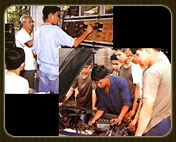
The program is conducted at No. 304-6 Samsen Road, opposite the National Library, Tha Wasukri, Bangkok. It operates as a genuine public charity, admitting individuals who are sincerely committed to acquiring professional knowledge but lack financial resources or access to educational institutions. Trainees can choose any course of study without restrictions on gender, age, or educational background—provided they can read, write, and are determined to learn. Selection prioritizes those from impoverished families, individuals facing daily life challenges, and military personnel, police officers, civilians, or disabled war veterans (who must still be reasonably self-sufficient).
The program admits only 30 trainees per year due to limitations in classroom space and funding. It is conducted as a residential course, with all meals provided at no cost to the students. Instructors are professionals in their respective fields who volunteer their time, offering knowledge as a charitable act without receiving any compensation.
Under the พระดาบส (Phra Dabos) program, His Majesty King Bhumibol Adulyadej intended the project to proceed gradually, starting with small-scale training. Once successful, it would expand step by step according to capacity. Initially, pilot training courses were offered in basic and intermediate electrical and radio skills, and experimental courses in engine mechanics were also conducted. Plans were made to introduce plumbing and other vocational subjects in the future.

The Royal-Gifted Phra Dabos Statue
His Majesty the King has graciously provided personal royal funds for this purpose continuously from the establishment of the program until the present. In addition, members of the public have contributed tools, equipment, supplies, and labor as charitable offerings. The current operating expenses of the program average approximately 18,000 baht per month (statistics from 1987).
8.2 “Luk Phra Dabos” Project
After the establishment of the Phra Dabos Project in 1976, with a personal fund of 5 million baht graciously provided by His Majesty King Bhumibol Adulyadej, the project was created to provide non-formal education for underprivileged individuals, enabling them to become self-reliant and not a burden to society. Participants in this project received education completely free of charge. Currently, the project is managed by the Phra Dabos Foundation.
In 1998, Delta Electronics (Thailand) Public Company Limited proposed a project for an industrial labor vocational training institute in Samut Prakan Province. Through the provincial governor, the company coordinated with the Phra Dabos Foundation. Delta Electronics took responsibility for providing vocational training and work skills to the public in a non-formal education format. They were granted permission to use state land under the administration of the Department of Civil Aviation, located in Bang Pla Subdistrict, Mueang District, Samut Prakan Province, covering an area of 288 rai.
The Department of Civil Aviation, Ministry of Transport, cooperated with the royal initiative by transferring the rights of occupancy to the Bureau of the Royal Household for the construction of classrooms, training buildings, administrative offices, residential buildings, and other facilities. Part of the land was allocated for an experimental agricultural area, with its produce used to feed the Phra Dabos (teachers) and the Luk Phra Dabos (students), while any surplus produce was sold locally.
His Majesty King Bhumibol Adulyadej provided guidance for curriculum design, decreeing that basic agricultural studies and local wisdom be made compulsory subjects, in addition to vocational training and moral education. He also approved the idea of opening training opportunities to personnel from industrial factories nationwide, to elevate the skill level of the workforce at the Luk Phra Dabos School.
The application of non-formal education methods in the Phra Dabos and Luk Phra Dabos projects clearly demonstrates His Majesty’s vision for human resource development, emphasizing that knowledge and moral development should advance together. This ensures that individuals become valuable resources capable of contributing fully to society and the nation.
These projects exemplify His Majesty King Bhumibol Adulyadej’s care for the well-being of all citizens, especially economically and socially disadvantaged farmers. Beyond alleviating hardship and promoting welfare, His Majesty sought to teach citizens to acquire skills systematically and methodically, enabling them to pursue occupations effectively.
The projects under His Majesty’s guidance are considered a highly valuable teaching process, achieving remarkable results as intended. Their success stems from a balanced integration of inherited local knowledge and skills passed down through generations in each community or profession.
Combined with the results from both theoretical and practical learning in the projects, these initiatives helped increase the income and social standing of the learners. This, in turn, stimulated the local population to take an active interest in learning and to eagerly seek out various activities on their own. Consequently, the model of the projects, carried out according to His Majesty’s wishes, spread widely among local communities.
Teaching through practical guidance that could be applied directly to daily life became a fundamental principle of non-formal education. Those who had the opportunity to learn from the examples demonstrated by His Majesty were able to use the knowledge to pursue livelihoods, support their families, and build stable income and social standing, gaining recognition and inspiring continued practice throughout communities.
Therefore, the royal initiatives of His Majesty King Bhumibol Adulyadej, demonstrating profound wisdom in systematically developing non-formal education, successfully encouraged rural populations—the majority of the nation’s citizens—to engage in productive work and pursue occupations guided by scientific knowledge, honesty, and integrity. It is thus entirely fitting that all subjects unite in paying royal homage to Him as the “Father of Non-Formal Education.”